About Camellia oleifera Abel.
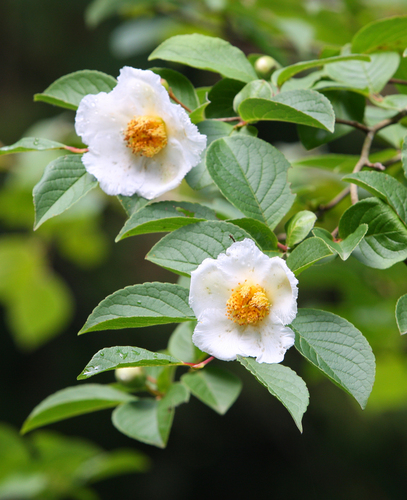
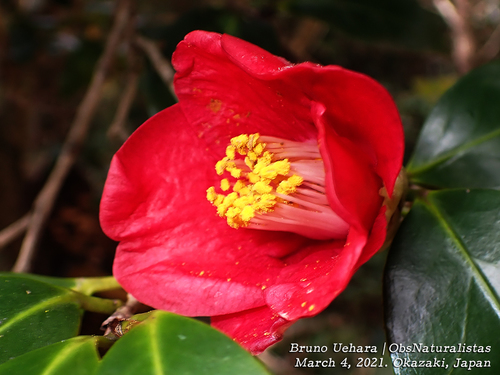
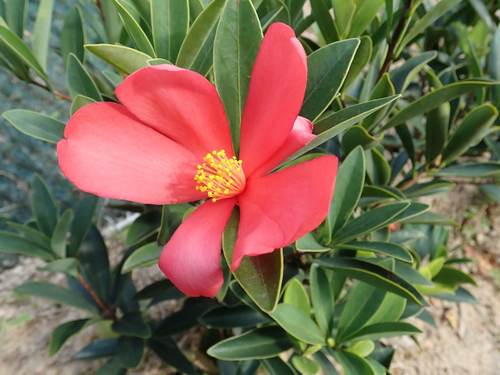
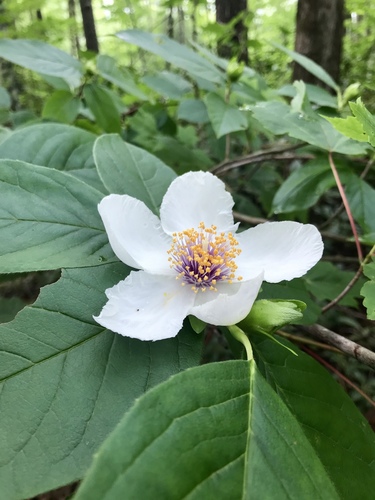
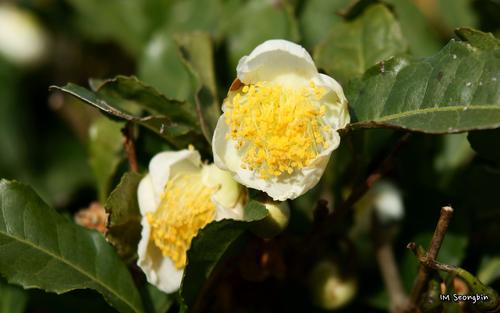
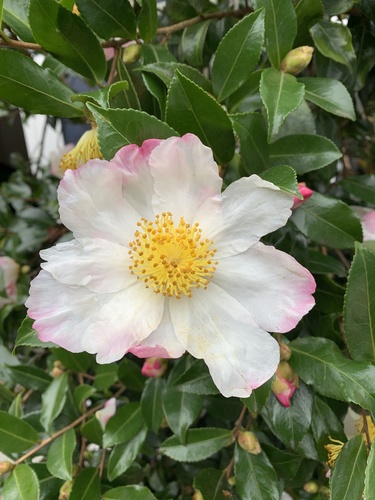
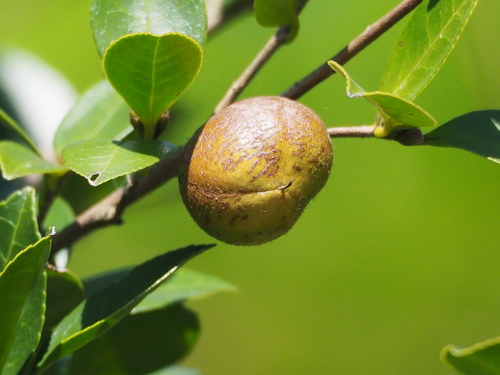
Camellia oleifera Abel. originated in China, and is an important source of edible oil called tea oil or camellia oil, which is extracted from its seeds. It is commonly called oil-seed camellia or tea oil camellia, though other camellia species are also used for oil production to a smaller degree. It is widely distributed across China and is cultivated extensively there. It grows in forests, thickets, stream banks, and foothills at elevations between 500 and 1,300 metres. This species closely resembles Camellia sasanqua, with the main difference being that its dark green evergreen leaves are slightly larger, measuring three to five inches long and two to three inches wide. It produces single, white, fragrant flowers from mid to late fall. It grows as a large shrub or small tree that can reach 20 feet in height, with thin, upright multiple trunks and branches. When lower branches are removed, its crown forms a rounded or oval vase shape. The seeds of Camellia oleifera can be pressed to produce tea seed oil, a sweetish oil used for seasoning and cooking. Around 80% of the total fatty acid content in tea seed oil is oleic acid, a monounsaturated fatty acid, so the oil has a similar composition to olive oil. After tea seed oil is extracted, the remaining seed material, called Camellia oil cake, is used as an anti-inflammatory and antioxidant. When sold as cooking oil in supermarkets across Australia, New Zealand, and the United States, tea oil is also labeled as "Tea Seed Oil". It can also be used in textile manufacturing, soap making, and burned in oil lamps to provide light. Camellia oil has a traditional use protecting Japanese woodworking tools and cutlery from corrosion, and it is still sold for this purpose today.