About Callista chione (Linnaeus, 1758)
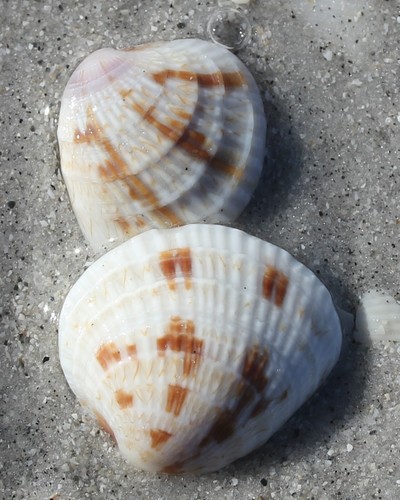
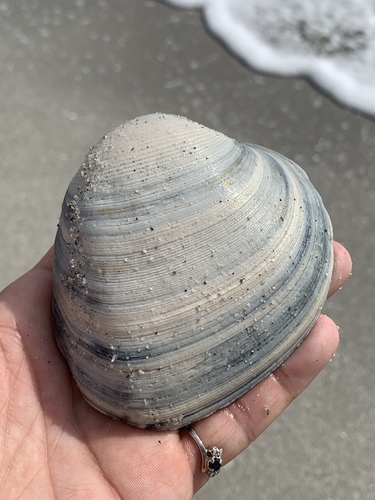
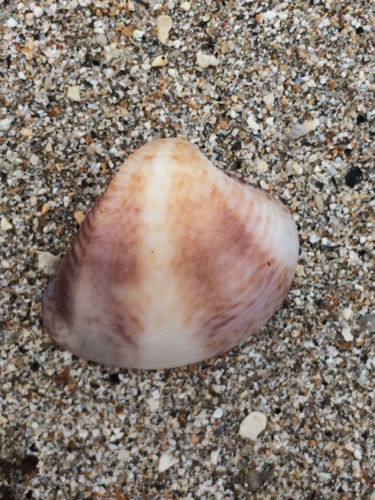
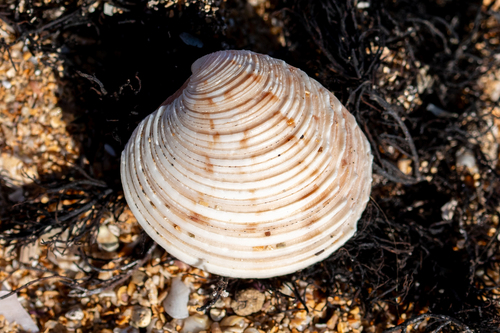
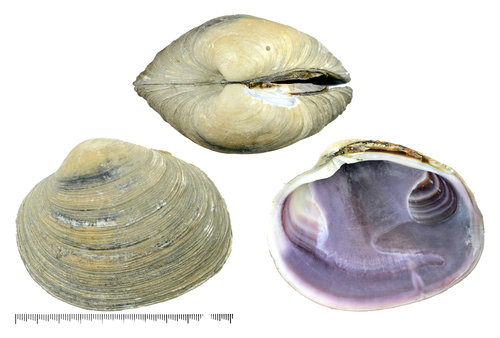
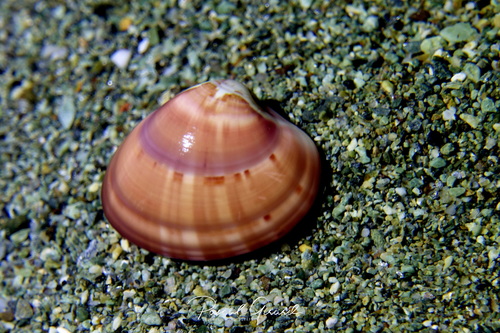
Callista chione, commonly called the smooth clam, is a fairly large species of temperate marine bivalve mollusc. It lives on sandy bottoms or bottoms with small pebbles in clean waters, found at depths down to around 200 metres, ranging from the British Isles to the Mediterranean. Its shell can reach a maximum diameter of about 110 millimetres. The outer surface of the shell is smooth, with color ranging from light greenish creamy tones to medium brown; this coloration likely varies to match the clam's surrounding background. The interior of the shell is colored white to soft pink. Both concentric and radial growth lines are easily visible on the shell. Callista chione is edible, and different dishes using this species are prepared across the Mediterranean region, in Spain, Italy, France, Balkan countries, and Maghreb countries. Like many other bivalve molluscs, Callista chione is a filter-feeder, meaning it feeds by filtering food particles out of the surrounding water. This species is commonly sold in Mediterranean fish markets, and it has been found to concentrate toxins from dinoflagellate blooms. These blooms are linked to pollution events including red tides, sewage contamination, old sediment dredging, and ship ballast water dumping. The toxins concentrated by Callista chione cannot be removed through traditional shellfish cleansing in clean water, nor through cooking. Ingestion of contaminated clams can cause a range of serious human health issues, including respiratory illnesses, skin rashes, and even paralysis. The most common of these toxin-related illnesses is known as PSP, or paralytic shellfish poisoning. A documented case of such health issues linked to similar severe water contamination occurred in New Orleans after Hurricane Katrina.