About Calea ternifolia Kunth
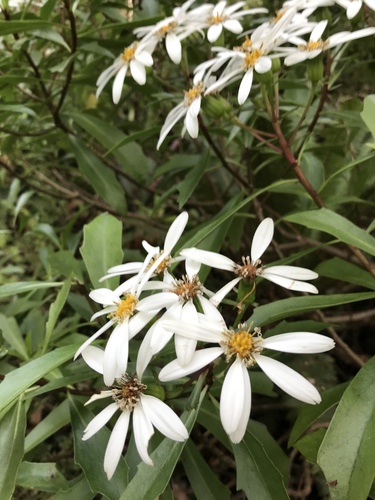
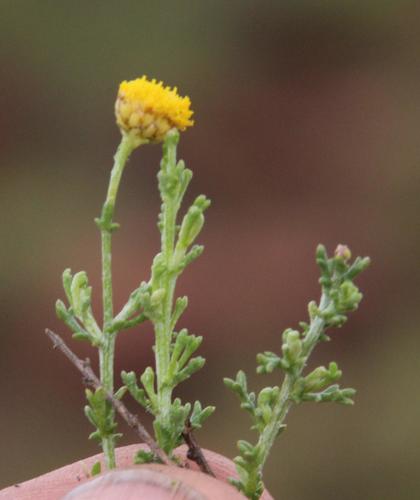
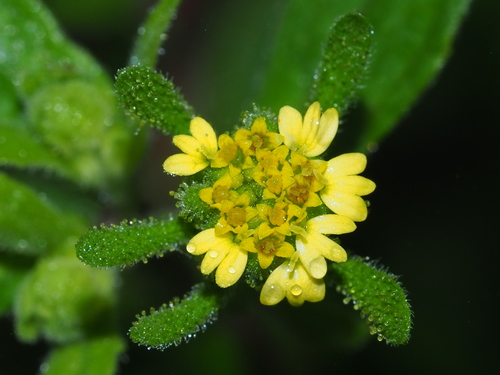
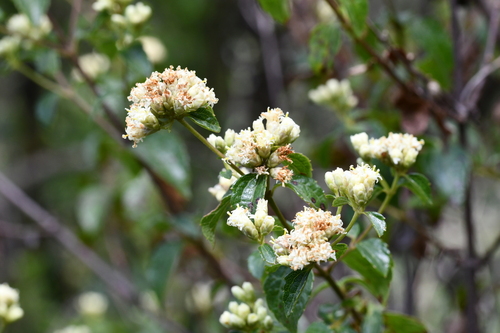
Calea ternifolia Kunth, synonym Calea zacatechichi, is a flowering plant species in the Asteraceae (aster) family. It is native to Mexico and Central America. Its common English names are bitter-grass, Mexican calea, and dream herb. It is used in traditional medicine and ritual throughout its native range. In Mexico, this plant is used as a herbal remedy for dysentery and fever. The Zoque Popoluca people call the species tam huñi, which translates to 'bitter gum', and use it to treat diarrhea and asthma. The Mixe people know it as poop taam ujts, meaning 'white bitter herb', and use it to treat stomachache and fever. The Chontal people of Oaxaca reportedly use the plant, which they know locally as thle-pela-kano, during divination. Isolated reports describe rituals that involve smoking a plant thought to be this species, drinking it as a tea, and placing it under a pillow to induce divinatory or lucid dreams, as it is classified as an oneirogen. Zacatechichi, the plant's former scientific name, is a Hispanicized form of the Nahuatl phrase 'zacatl chichic', which means 'bitter grass'. Users take the plant to help them remember their dreams. Known side effects include nausea and vomiting triggered by the plant's taste, as well as mild-to-severe allergic reactions. While the plant is quite bitter when brewed in hot water, its bitterness can be substantially masked by brewing it alongside Osmanthus flowers, which have a compatible scent profile.