About Calappa calappa (Linnaeus, 1758)
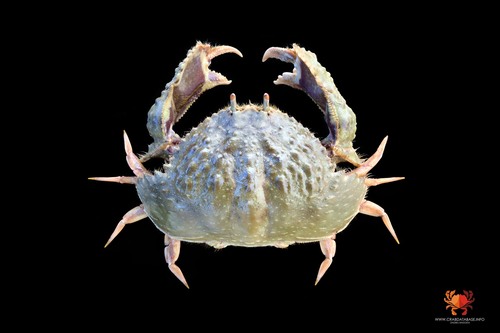
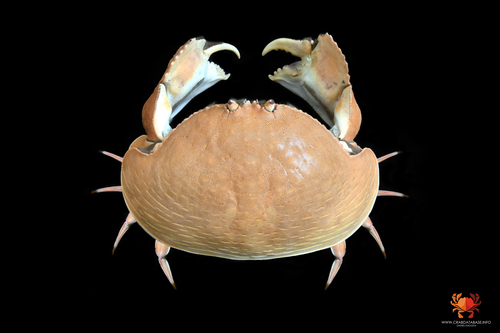
Calappa calappa (Linnaeus, 1758) lives in habitats from the intertidal zone down to a depth of 50 meters. Adults of this species have a carapace that reaches approximately 15 cm across. The anterior half of the carapace has an indistinctly rugose texture, and the posterior edge of the carapace is marked with wavy lines. This species is nocturnal, active only during the night. When it feels threatened, it can quickly burrow into the sand. It feeds primarily on mollusks including clams. It holds mollusk prey steady with its legs, then uses its pincers to either pry the valves apart or break them. The carapace of this species curves downward to shield its legs. This curved carapace shape, combined with the species' large front claws, lets Calappa calappa protect its soft, vulnerable appendages and the front of its body from predators. This species has been recorded at the following locations: Mombasa, Seychelles, Aldabra Island, Madagascar, Mauritius, Andamans, Japan, Taiwan, the Philippines, Palau, Indonesia, Papua New Guinea, Shark Bay, Abrolhos Islands, New Caledonia, Hawaiian Islands, Marquesas, and Society Islands.