About Cakile edentula (Bigelow) Hook.
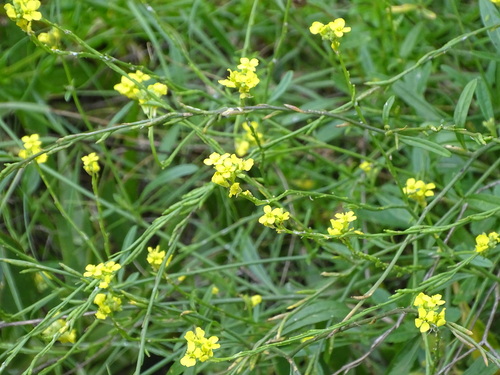
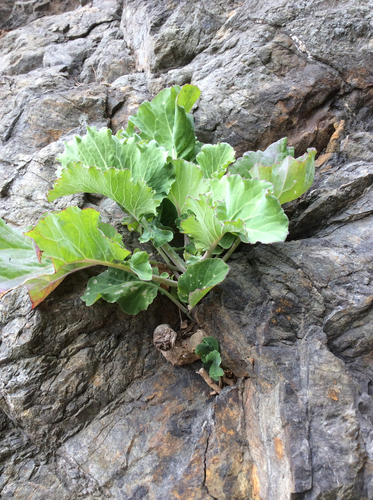
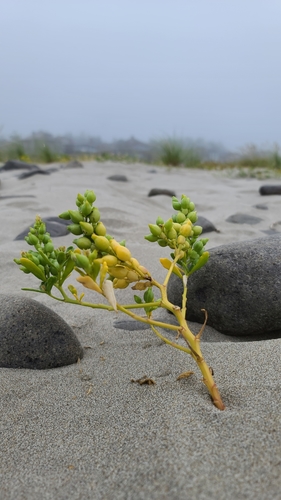
Cakile edentula (Bigelow) Hook., also called American sea-rocket, is a succulent plant with thick leaves. It grows as a short shrub on beaches. Its leaves grow alternately on the stem, one leaf per node, and have varied tooth and lobe patterns. Cakile edentula is most commonly found on the beaches and dunes of North America, particularly along the East coast of the United States and Canada, where it favors coastal shoreline areas. While it is not a wetland plant, it can occasionally grow in wetland environments. It is a non-native invasive species in other parts of the world, especially Japan and Australia, and also on the west coast of North America. This species grows on coastal beach dunes and freshwater lake shorelines, preferring well-drained sandy soil. It typically occurs in areas midway up beaches, beyond the reach of waves and tides that can kill individual plants, especially during storms. In northern latitudes, Cakile edentula has an annual life cycle. In warmer climates, it can grow as a biennial when conditions allow. When the plant senses a nearby competitor, it grows roots more aggressively and intensely; it does not show this response when the nearby competitor is a genetically related kin plant. Its leaves are edible, and are best when cooked. They should not be eaten in large quantities.