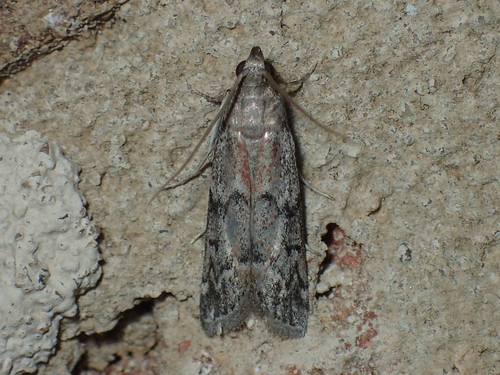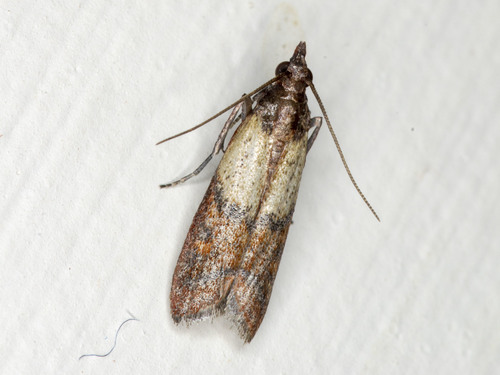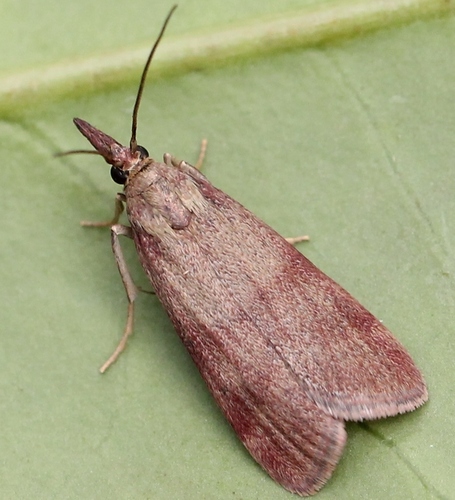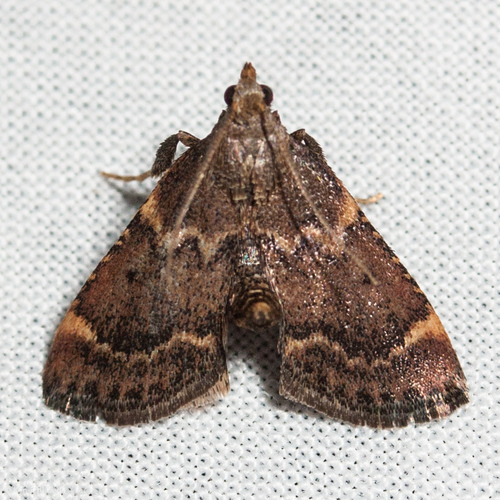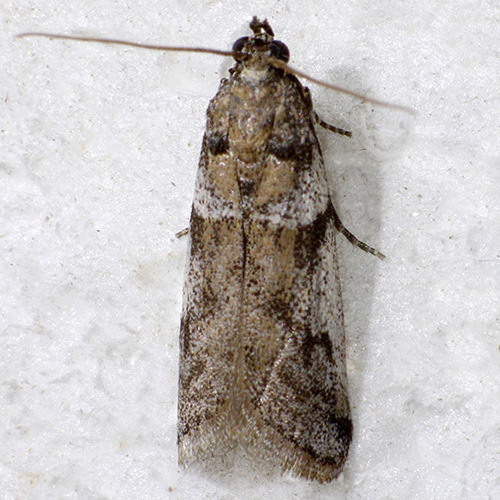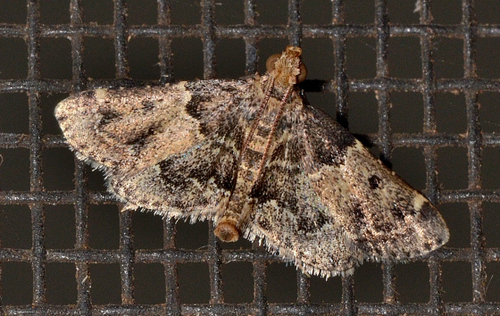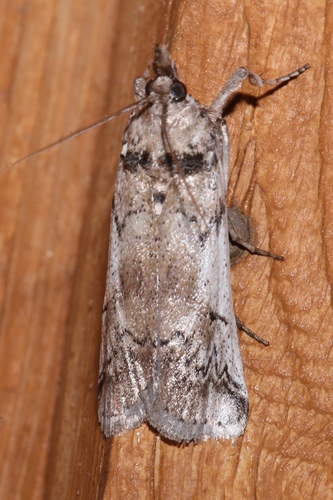
About Cactoblastis cactorum (Berg, 1885)
Cactoblastis cactorum, commonly called the cactus moth, South American cactus moth, or nopal moth, is native to Argentina, Paraguay, Uruguay, and southern Brazil. It is one of five species in the genus Cactoblastis that live in South America. In its native range, many parasitoids, predators, and pathogens keep the moth's population growth in check. This species has been introduced to many regions outside its natural native range, including Australia, the Caribbean, and South Africa. In some locations, it has spread uncontrollably, leading to its classification as an invasive species. However, in other places such as Australia, it is valued for its role in the biological control of cacti from the genus Opuntia, which includes prickly pear. In its native South American habitat, Cactoblastis cactorum has many natural predators, including ants and New World monkeys. Ants, the moth's main predator, eat its larvae. New World monkeys dig larvae and pupae out from the cactus's flattened leaf-like stems, called "cladodes". The relationship between Cactoblastis cactorum and Opuntia cactus species is parasitic: the moth feeds on its host cactus. Recent research in South America has identified four genetically structured ecotypes of C. cactorum. These ecotypes infest different host plants and have distinct larval morphology. The mechanism that drives this population isolation and the observed pattern of host association in wild populations remains unexplored. For Cactoblastis cactorum, mating takes place before sunrise. Moths locate mates by scent rather than by sight. When a female is ready to mate, she releases sex pheromones to signal her readiness to males. Once a male responds, the mating process begins. Mating starts when the female and male attach at their abdomens. The male transfers a sperm-containing sac called a spermatophore, which the female stores in the reproductive center of her abdomen. After an incubation period, the female deposits an "egg stick" that holds 30 to 50 eggs. Eggs are laid on the tip of a cactus spine, a cactus leaf, a cladode, or a cactus fruit. The egg sticks, which resemble cactus spines, develop and hatch in 25 to 30 days. The gregarious larvae bore into the cactus pad through a single entry hole by chewing through the tough outer cuticle of the cladode. This activity causes visible external damage to the cactus, marked by yellowed plant tissue, oozing plant fluid, and insect frass. Larvae feed inside the cactus and eventually hollow out the entire cactus pad, consuming all plant tissue except the vascular tissues. Larvae typically spend two months inside the host cactus during the summer, and approximately four months inside during the winter. Once mature, larvae exit the cactus pad to spin cocoons. They pupate under debris on the ground at the base of the host cactus plant. Immediately after emerging as adult moths, they begin searching for a mate. Adults usually reproduce three to four times over the course of their lifetime. The average adult lifespan is nine days for females and eleven days for males. Females do not feed as adults; they use all of their energy to travel up to 10 kilometres (6 mi) to search for dense cactus patches to lay their eggs. Males devote all of their energy to maximizing their mating opportunities. Males mate between two and five times, with an average wait of two to three days between successive mating events.