About Byrsonima crassifolia (L.) Kunth
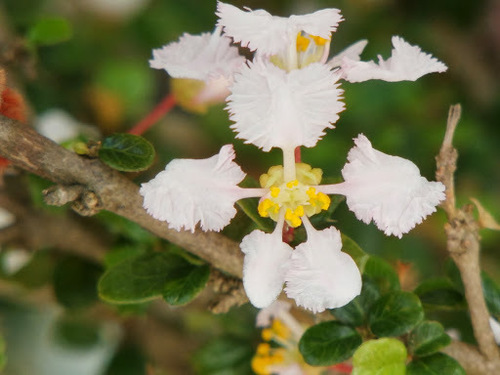
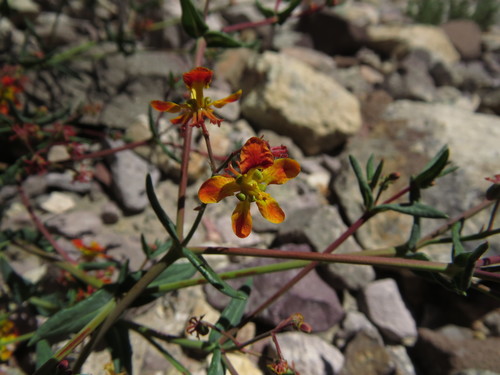
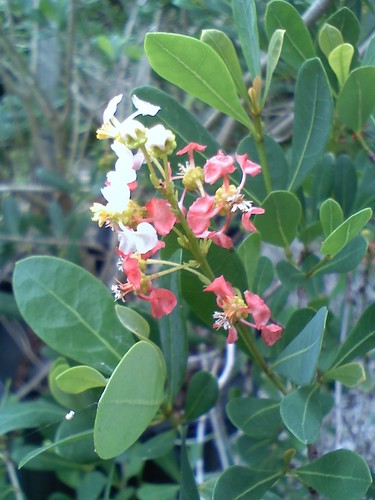
Byrsonima crassifolia is a slow-growing large shrub or tree that reaches up to 10 metres (33 ft) in height. It is sometimes cultivated for its edible fruits. This species is native and abundant in the wild, sometimes forming extensive stands, in open pine forests and grassy savannas. Its natural range extends from central Mexico, through Central America, to Colombia, Peru, Bolivia and Brazil; it also grows in Trinidad, Barbados, Curaçao, St. Martin, Dominica, Guadeloupe, Puerto Rico, Haiti, the Dominican Republic, and throughout Cuba and the Isle of Pines. This species, commonly called nance, is restricted to tropical and subtropical climates. In Central and South America, it grows from sea level up to an altitude of 1,800 m (6,000 ft), and it is highly drought-tolerant.
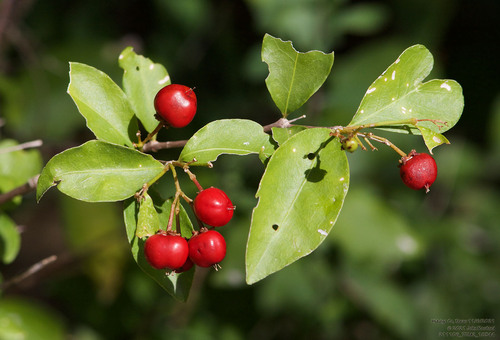
The edible fruits of Byrsonima crassifolia are eaten raw or cooked as a dessert. In rural Panama, a dessert made with the fruit, sugar and flour called pesada de nance is very popular. The fruits are also used to make dulce de nance, a candy prepared by cooking the fruit in sugar and water. In Nicaragua, where the fruit is called nancite, it is a popular ingredient in multiple desserts. This includes raspados, a frozen dessert made from a drink prepared with nancites, and a dessert made by fermenting the fruit with sugar in a bottle for several months, usually from the August–September harvest until December; this dessert is sometimes called "nancite in vinegar".
The fruits are also commonly used to make carbonated beverages, ice cream and juice. In Brazil, they are used to flavor mezcal-based liqueurs, or to make an oily, acidic, fermented beverage known as chicha, the standard term used for various beer-like drinks made from fruits or maize. In Costa Rica, nance fruit is used to distill a rum-like liquor called crema de nance. Mexico produces a liqueur from this fruit called licor de nanche. In Veracruz, Mexico, the plant is called nanche, and its fruit is a common dessert ingredient used to make popsicles (percheronas) and ice sorbets (raspado). Fruit components can be processed to make a range of traditional and innovative food products, specifically candies, cookies, cakes, candied fruits, ice creams, sorbets, jellies, juices, liqueurs, jams, nectars, pickles, and fruit drinks. In Panama, wood from the Byrsonima crassifolia tree is used as an aromatic for smoking and grilling.