About Butastur indicus (Gmelin, 1788)
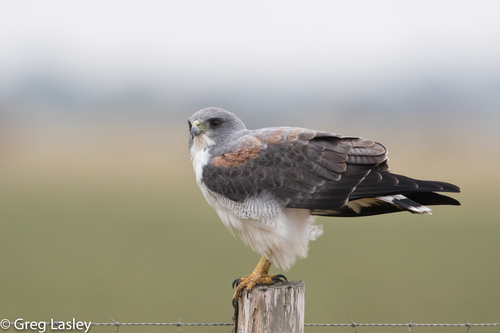
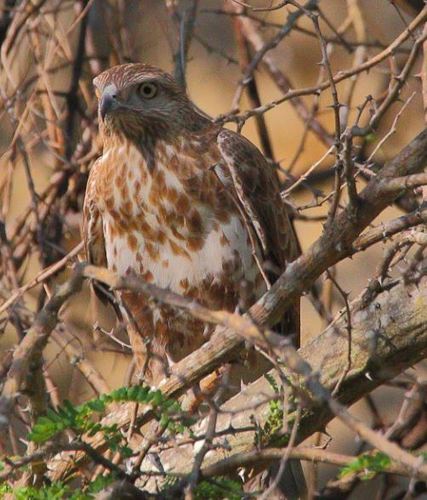
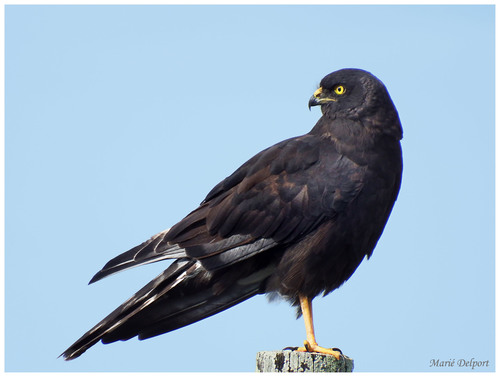
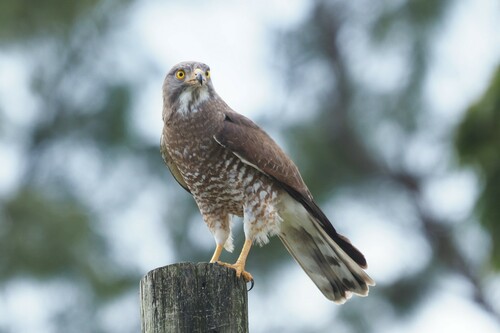
Butastur indicus, commonly known as the grey-faced buzzard, is a small raptor, with adult males and females sharing the same coloration. Adults have red-brown upper chests, with lower chests and abdomens that are brown or dark brown, marked with dark horizontal bars across the abdomen. A rare full brown dark morph also exists. This species typically measures 41–46 cm (16–18 in) in length. It has pointed, narrow wings with thin feathers that appear transparent when the bird is in flight. The tail is ashy brown with horizontal bars, and the iris is bright yellow. Juveniles are generally less reddish than adults, with dark brown bars on the abdomen, and brown faces with buff-colored eye regions. Most individuals of this species are found in Japan, specifically in Satoyama, an area with a mix of woodlands, paddy fields, streams, and grasslands. Within its breeding range, the grey-faced buzzard inhabits coniferous and mixed evergreen mountain forests, forest edges, fields, meadows, marshes, and areas surrounding agricultural land. During the breeding season, male grey-faced buzzards spend up to 90% of their day perched while searching for prey, and their hunting perches are usually located around 500 meters from their nest. They prey on frogs, crustaceans, lizards, insects, and small rodents, and occasionally hunt other birds. They hunt by perching on trees or utility poles next to open habitats like rice fields, cropland, and clearings, then swoop down to capture small animals with their feet. This species uses a search-and-ambush hunting method to save time and energy while still meeting its survival needs. Grey-faced buzzards actively adjust their diet to match the seasonal foraging site they use. Over the course of the breeding season, the primary vegetation type of their foraging areas shifts from paddy fields to levees and grass-arable fields, and finally to wooded areas. As the foraging area shifts, their main prey changes from frogs to insects. In paddy fields, they most frequently capture frogs and small mammals. At levees and grass-arable fields, they take a variety of prey including frogs, small mammals, lizards, snakes, and insects. In woodland areas, they capture insects and frogs.