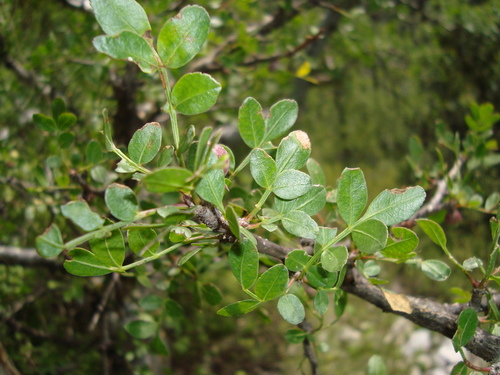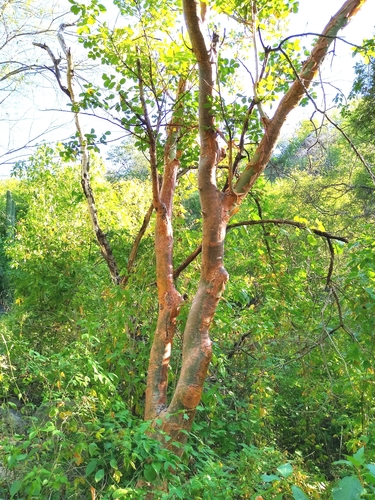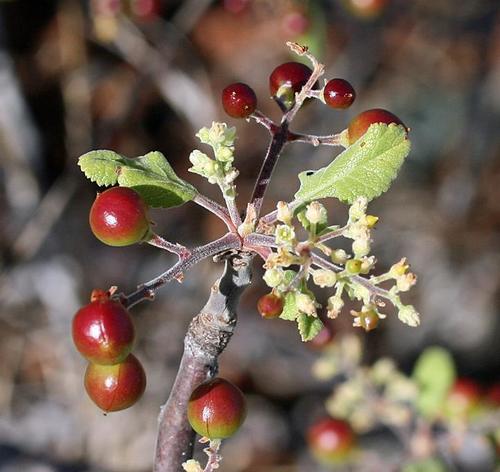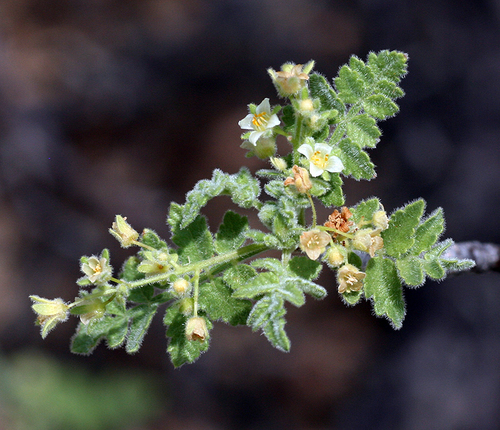
About Bursera graveolens (Kunth) Triana & Planch.
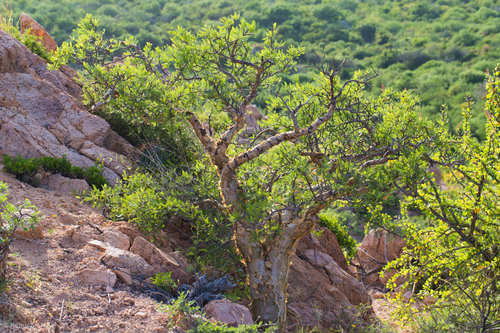
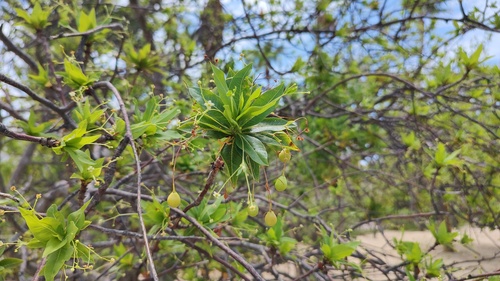
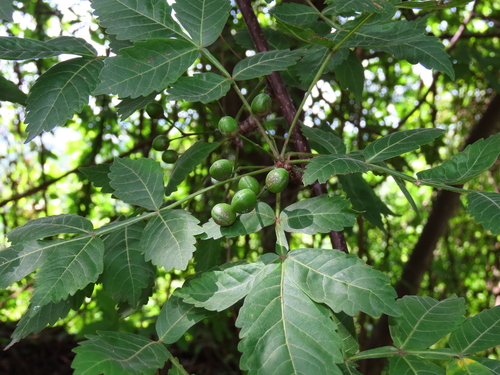
Bursera graveolens, called palo santo ('sacred wood') in Spanish, is a wild tree in the Burseraceae family, the same family that includes frankincense and myrrh. It is native to the Yucatán Peninsula, and grows in seasonally dry tropical forests across Peru, Venezuela, Colombia, Ecuador, Panama, Costa Rica, Nicaragua, Honduras, Guatemala, El Salvador, Bolivia, and the Galápagos Islands. Its aged heartwood is rich in terpenes, including limonene and α-terpineol. Bursera graveolens is widely used for ritual purification, and as a folk medicine remedy for stomach aches; it is also used as a sudorific and a liniment for rheumatism. The use of this palo santo is traditional across South America, especially in Bolivia, Ecuador, and Peru, with documented use dating back to the Inca era. In traditional practice, it is used to address mala energía ('bad energy'), a concept that covers cleansing homes of negative energy, attracting good luck, and may sometimes refer to clinical disease. Today, it is very commonly used as incense. During the Inca period, palo santo oil was used for its believed spiritual purifying properties; modern use includes applying the oil to the body (for example at the base of the skull or on the spine) to boost relaxation, in a practice similar to aromatherapy. Shavings of palo santo wood can be lit and burned like incense. In Peru, shamans (or medicine men) are reported to light palo santo sticks, allowing the rising smoke to enter the 'energy field' of ritual participants to clear misfortune, negative thoughtprints, and 'evil spirits'. Peruvian harvesters only collect fallen branches and twigs from B. graveolens trees, and this harvesting practice is regulated by the Peruvian government to avoid cutting down living trees for wood. Charcoal made from palo santo sticks can also be used for ritual smudging, and the substance is used by yoga studios and witchcraft practitioners today.