About Brevoortia tyrannus (Latrobe, 1802)
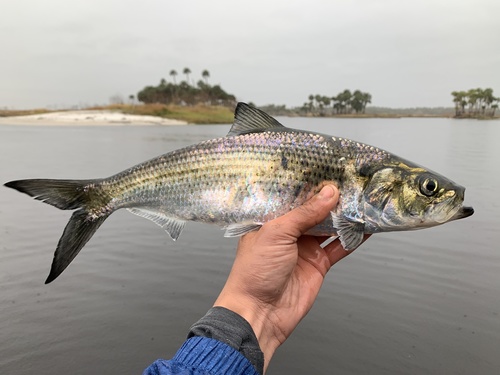
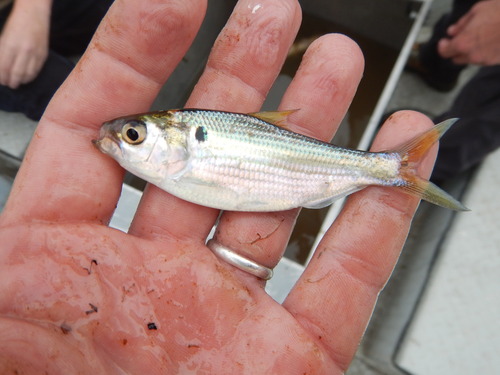
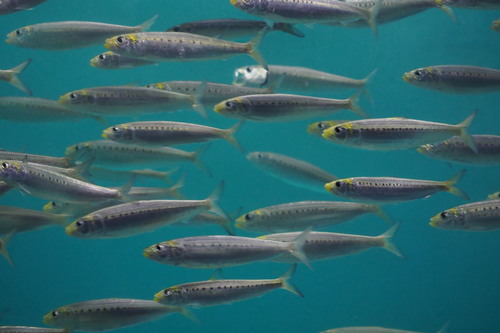
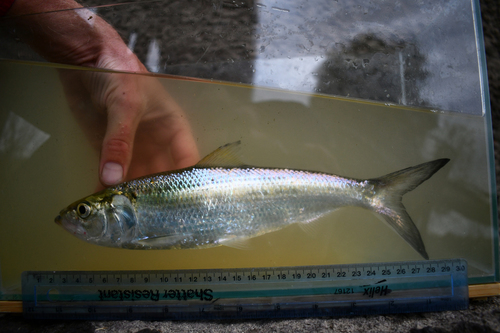
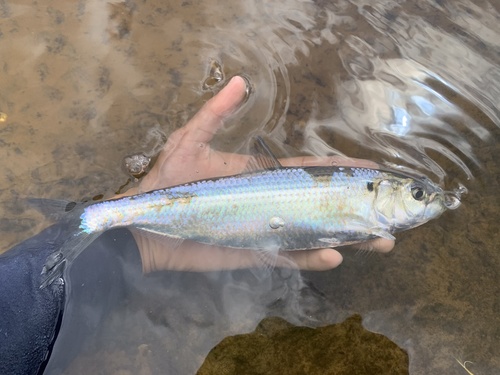
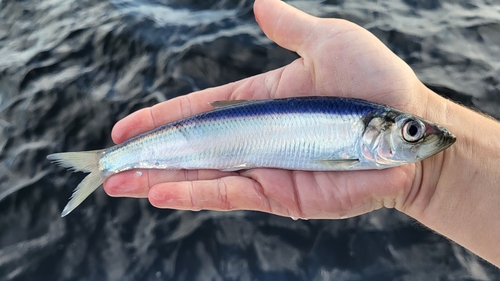
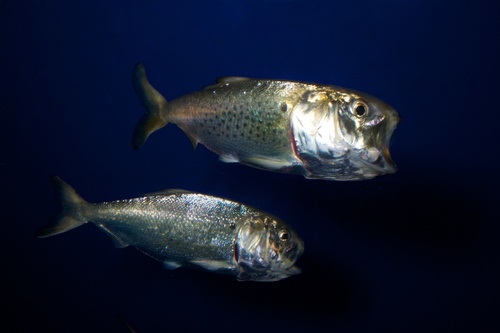
Atlantic menhaden (Brevoortia tyrannus) are silvery fish with a moderately compressed body and a distinct black spot on the shoulder behind their gill openings. They can grow to approximately 15 inches in length. Atlantic menhaden can spawn year-round in inshore waters along the Atlantic coast, with the highest spawning activity occurring near North Carolina in late fall. Eggs hatch in the open ocean, and larvae drift to sheltered estuaries via ocean currents. Young fish spend one year developing in these estuaries before moving back to the open ocean; at this early life stage, they are commonly called "peanut bunker". Atlantic menhaden generally do not reach sexual maturity until the end of their second year, and reproduce continuously from maturity until death. A young sexually mature female can produce around 38,000 eggs, while a fully mature female can produce more than 362,000 eggs. The eggs are buoyant and hatch within 2 to 3 days, with hatching time dependent on water temperature. Larvae spend 1 to 3 months in waters over the continental shelf. Chesapeake Bay is a common nursery habitat for juvenile menhaden. Larval fish enter the bay in late winter and early summer, then move into lower-salinity waters in estuarine tributaries. Juvenile and immature fish stay in the bay until fall. Atlantic menhaden can live 10 to 12 years. Historically, menhaden were used as crop fertilizer, and it is likely that this fish is the species Squanto taught the Pilgrims to bury alongside newly planted seeds as fertilizer. Other historical uses include animal feed, fishing bait, oil for human consumption, oil for manufacturing, and oil as a fuel source. In the early years of the United States, thousands of fishing ships harvested Atlantic menhaden, and processing facilities lined the Atlantic coast to quickly process the fish into valuable products, typically oil, with fish meal becoming more popular later. Overharvesting led to a tragedy of the commons that caused menhaden populations to decline, forcing many small companies out of business and leaving only a small number of menhaden fishing companies active on the Atlantic coast today. While many modern sources state that menhaden is inedible, the fish was historically eaten similarly to sardines, or fried. For example, Maine fishermen ate fried pogies (menhaden) for breakfast, and unsold bait fish were sold as food to poorer classes. Recreational fishers also directly catch Atlantic menhaden to use as bait, and often use cast nets to catch them for this purpose.