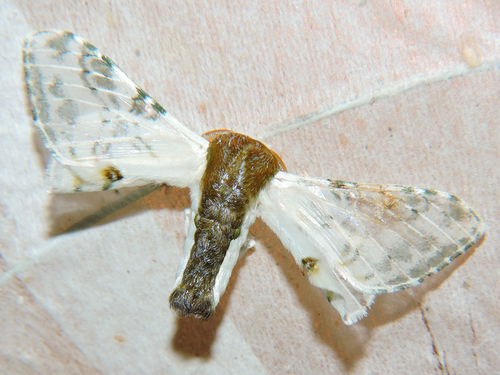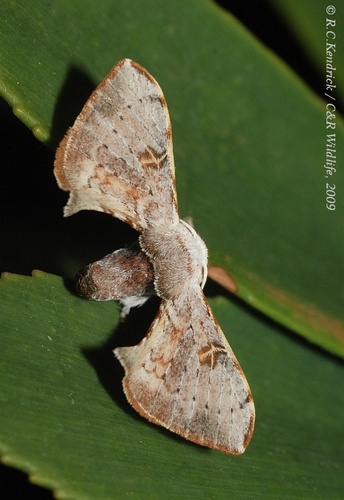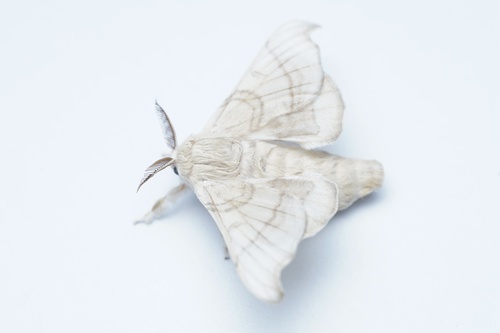
About Bombyx mori Linnaeus, 1758
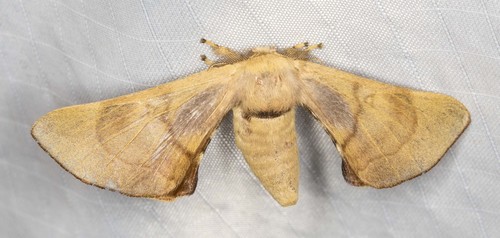
Bombyx mori, the domestic silk moth, is a domesticated moth species in the family Bombycidae. It is the closest living relative of Bombyx mandarina, the wild silk moth, and was domesticated from wild B. mandarina, originating from Chinese rather than Japanese or Korean stock. The larvae of this species are called silkworms. Silkworms are economically valuable as the primary producers of commercial silk. Their preferred food is white mulberry leaves, though they can also feed on other mulberry species and leaves from other unrelated plants. After thousands of years of selective breeding, fully domesticated adult silk moths are completely dependent on humans for reproduction. Compared to most other members of the genus Bombyx, domestic silk moths have lost their natural coloration and their ability to fly. Domestic B. mori and wild B. mandarina can still interbreed and produce hybrids, but it is not known whether B. mori can hybridize with any other Bombyx species. Other wild Bombyx silk moth species are not as commercially useful for silk production. Sericulture, the practice of raising domestic silk moths to produce raw silk, has been practiced in China for at least 5,000 years, and later spread from China to India, Korea, Nepal, Japan, and eventually to Western regions. The standard conventional sericulture process kills silkworms while they are in the pupal stage to harvest silk. The original wild ancestor B. mandarina has a natural range extending from northern India to northern China, Korea, Japan, and the far eastern regions of Russia. Domestication of silk moths is not thought to have occurred before the Neolithic period, as tools for manufacturing large quantities of silk thread had not been developed before this time. This species has several documented uses as food. Silk moth pupae are edible insects consumed in multiple cultures. In Assam, India, pupae are boiled during silk extraction, and the boiled pupae are eaten directly with salt or fried with chili pepper or herbs as a snack or dish; live pupae may also be eaten raw, boiled, or fried. In Korea, boiled and seasoned pupae are made into a popular snack called beondegi. In China, street vendors sell roasted silk moth pupae, and silkworm cultivation has been proposed for use as space food by taikonauts on long-term space missions. Silkworm droppings are used as a secretion in traditional Chinese medicine. In Japan, silkworms are typically prepared as tsukudani, boiled in a sweet-sour sauce made from soy sauce and sugar. In Vietnam, silkworm pupae called nhộng tằm are usually boiled, seasoned with fish sauce, stir-fried, and eaten as a main dish served with rice. In Thailand, roasted silkworms are commonly sold at open markets, and are also sold as packaged processed snacks.