About Bombus sylvicola Kirby, 1837
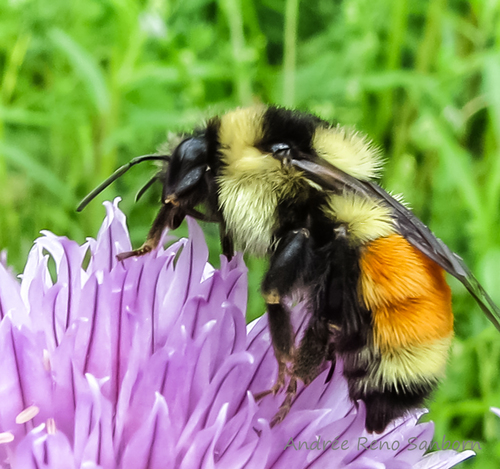
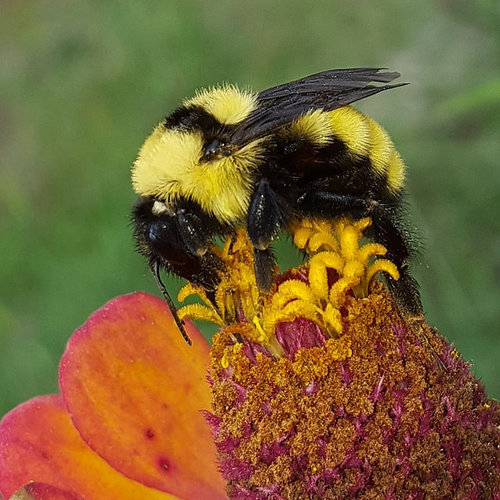
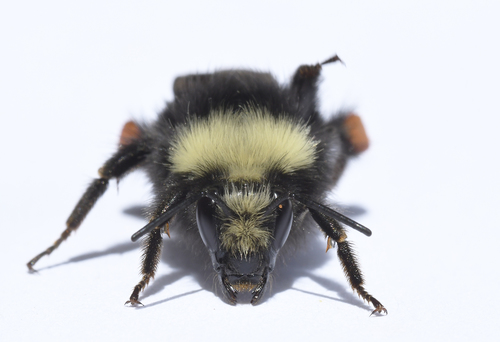
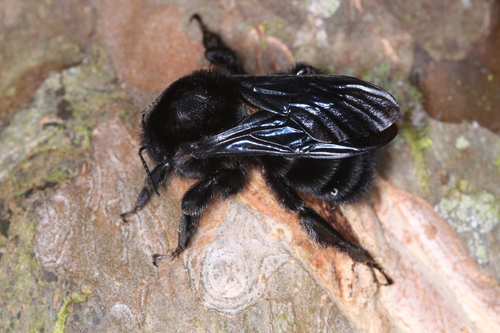
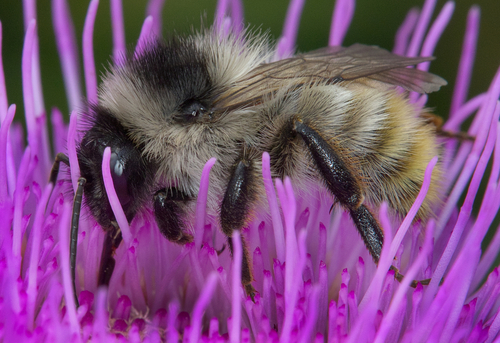
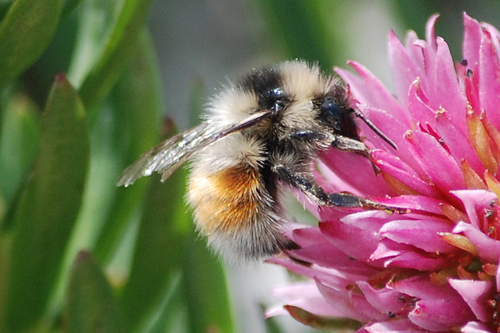
Bombus sylvicola Kirby, 1837, commonly known as the forest bumblebee, is a species of bumblebee native to North America. Its range covers most of Canada, extends into Alaska and the western contiguous United States, and at the southernmost edge of its distribution in California, it is only found at elevation. This is a common bumblebee species associated with alpine and subarctic climates. It inhabits open, grassy habitats such as mountain meadows. It typically nests underground, though it sometimes nests on the surface. Its recorded food plants are sandworts, rabbitbrush, fireweeds, lupines, coyote mints, butterburs, mountain heathers, and groundsels. This species was one of two bee species included in a study examining how climate change may impact bee morphology. Bombus sylvicola is a polymorphic species, with both longer-tongued and shorter-tongued individuals. As contemporary climate change progresses, longer-tongued individuals have become less common in the population, because flowers with long corollas have grown less abundant. Shorter-tongued bees have been more successful as generalist foragers on the currently available flora. This species is very similar to the black-tailed bumblebee (B. melanopygus), and the two sometimes have nearly identical color patterns.