About Blumeriella jaapii (Rehm) Arx
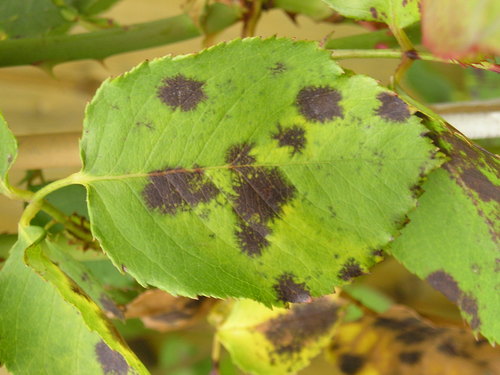
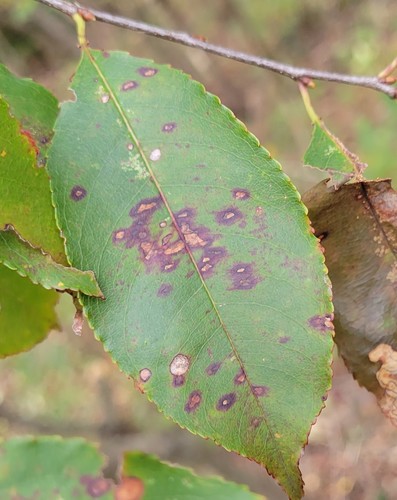
Cherry leaf spot, caused by the fungus Blumeriella jaapii, is a fungal disease that infects cherries and plums. Sweet cherries, sour cherries, and ornamental cherries are all susceptible to this disease, and it is most prevalent in sour cherries. Among sour cherry varieties, English morello cherries are the most susceptible. The disease is considered serious in the U.S. Midwest, New England states, and Canada, and it is estimated to infect 80 percent of orchards in the Eastern United States. It requires yearly control to prevent significant crop loss; if not properly managed, the disease can reduce yields by nearly 100 percent. Cherry growers also know this disease as yellow leaf or shothole disease, because of the characteristic yellowing leaves and shot holes that appear in leaves during severe infection.
Blumeriella jaapii overwinters in dead leaves on the ground. In early spring, at the time of petal fall, fungal fruiting bodies called apothecia develop in these overwintered leaves. Ascospores produced in the apothecia are forcibly discharged into the air starting at petal fall. These ascospores initiate new infections on young green leaves, and act as the primary inoculum for each new growing season. Ascospores can stick to leaf surfaces, and given a water film and optimal temperature, they germinate within hours of adhering. After germination, hyphae grow into the leaf through stomata, which are natural openings on the underside of the leaf. Hyphae cannot invade immature stomata very effectively. Once inside the leaf, hyphae grow in the intercellular spaces between leaf cells, killing leaf tissues and feeding on them. Incubation period length varies based on available moisture and temperature. Small purple lesions can appear within 5 days under damp conditions with a steady temperature between 60–68 °F (16–20 °C), and incubation can take up to 15 days in lower temperatures and drier conditions. Leaves become less susceptible to infection as they age. The first visible signs of disease often appear on suckers growing close to the ground. Sexual reproduction is linked to the primary infection cycle of cherry leaf spot. Infection levels in this primary cycle are low, but the step is essential for the pathogen’s overall success. Because ascospores are produced through sexual reproduction, this stage of the fungus’s life cycle can generate genetic variation, which may be important for processes like the evolution of fungicide resistance.
After lesions from the primary infection form, the fungus can cause secondary infections. Secondary, or summer, spores called conidia form in whitish patches on the undersides of leaves, inside tiny concave fruiting bodies called acervuli. These conidia are horn-shaped, and have hydrophilic outer cell walls that make them easily mix with water. They spread via rain or wind to cause new leaf infections. Each conidium can multiply to produce many additional conidia relatively quickly. When conditions are favorable, additional infections caused by conidia can overwhelm the plant’s defenses, leading the plant to drop badly infected leaves. These secondary infections allow the disease to escalate into an epidemic very rapidly. Conidia form through an asexual process, so all conidia produced from a single leaf spot are genetically identical. The fungus overwinters in diseased leaves on the ground, produces sexual spores in spring, and these spores infect newly emerging leaves.
The disease is generally distributed throughout the U.S., Canada, and other parts of the world where humid conditions occur. The Blumeriella jaapii fungus prefers moderately wet conditions with temperatures above 60 °F (16 °C). The optimal temperature range for the fungus’s spread is between 60–68 °F (16–20 °C). Severe tree infection occurs most often in years with many rainy periods and cooler summers. Very few ascospores are ejected from apothecia when temperatures are below 46 °F (8 °C). This disease thrives in areas where no sanitation practices are used as preventative measures to stop disease spread. When choosing a site for a cherry or plum orchard, select areas with well drained soil, plenty of sunlight, and good air circulation.