About Blephilia ciliata (L.) Raf. ex Benth.
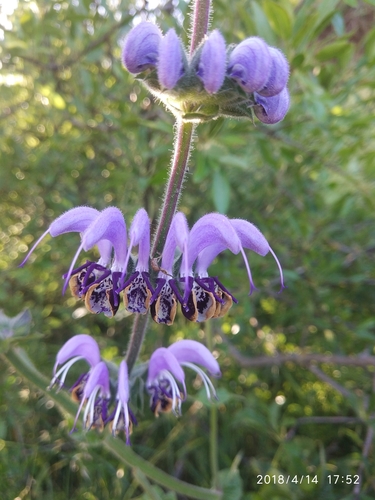
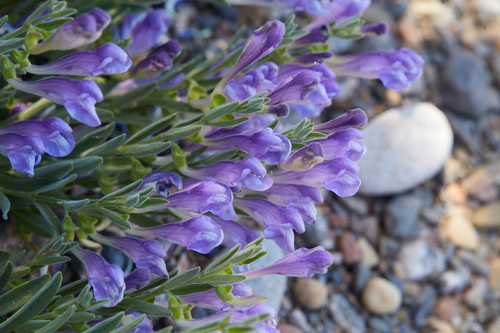
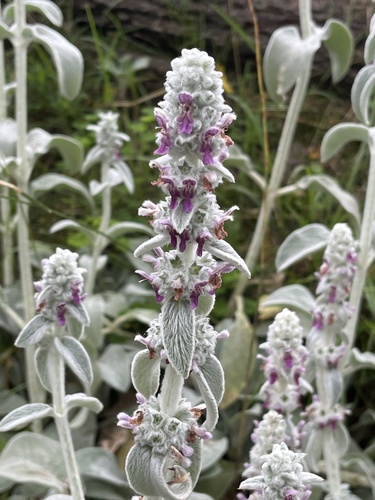
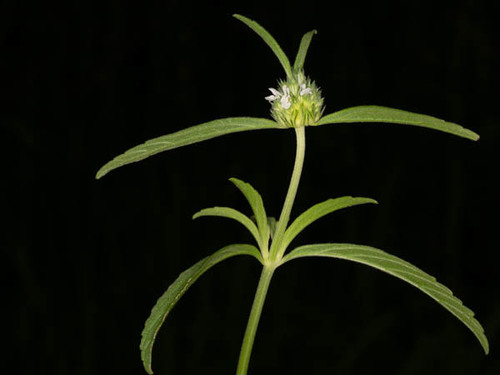
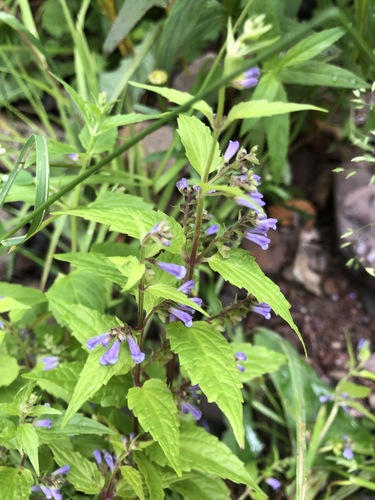
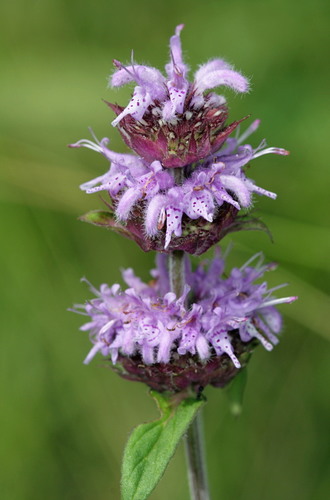
Blephilia ciliata (L.) Raf. ex Benth. is a perennial herb that grows 40 to 80 cm (15.5 to 31.5 in) tall. Like many other mint family plants, it has a 4-angled square stem. The central stem is typically unbranched; side stems only form if the plant is damaged. Leaves are arranged oppositely along the stem. They are sessile, lightly toothed, broadly ovate to lanceolate, and give off a mild fragrance when crushed. Leaves can grow up to 9 cm (3.5 in) long and 4 cm (1.5 in) wide, and the plant's basal leaves stay green through the winter. Its inflorescence forms a spike toward the top of the stem, with 1 to 5 dense, headlike flower clusters spaced separately along the spike. Each cluster holds many flowers, which sit on a pair of leaflike fringed bracts that are slightly longer than the flowers themselves. Flower petals may be blue, purple, or white. Blephilia ciliata is native to Ontario in Canada, and the United States, ranging from the Canadian border in the north to Mississippi in the south, from Oklahoma in the west to Massachusetts in the east. It grows in habitats including dry open woods, thickets, clearings, fields, and roadsides. Its flowers bloom from May to August, and attract a wide variety of bees, as well as butterflies and skippers. Traditionally, the Cherokee people have used this species to make a poultice for treating headaches.