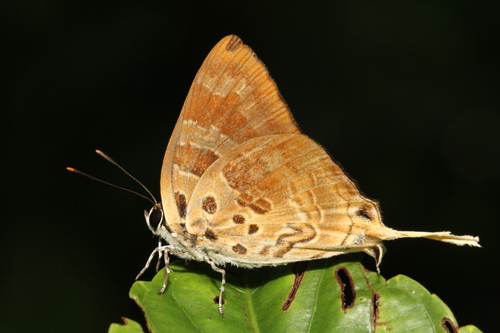
About Bindahara phocides (Fabricius, 1793)
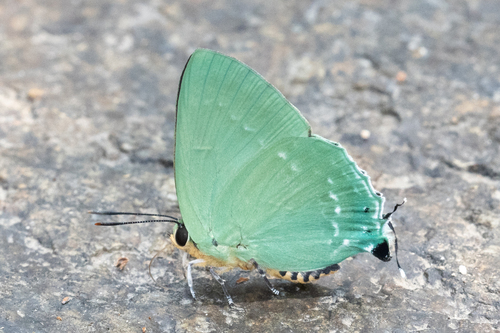
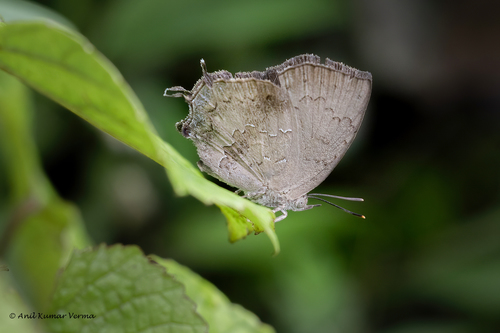
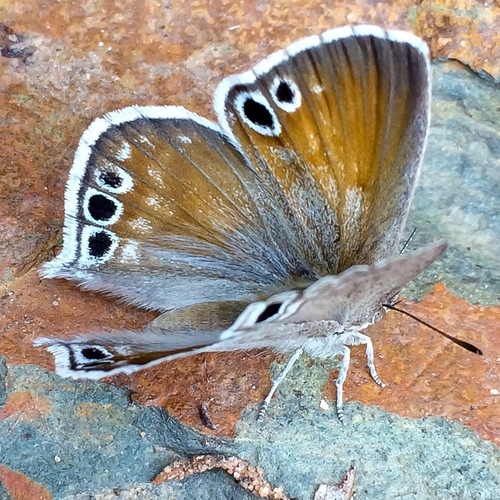
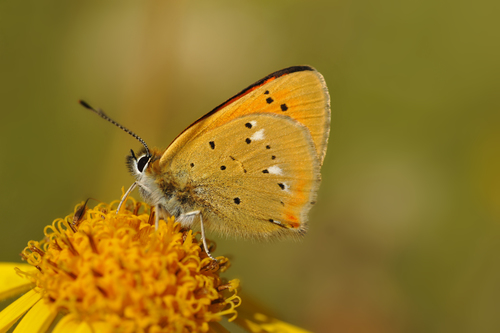
This description covers the male and female of Bindahara phocides (Fabricius, 1793). For males: The upperside is dark fuliginous-brown. The forewing has no markings. The hindwing has a dull ochreous tail, anal lobe, and small anal patch, with a small indistinct spot on the anal lobe. The underside is pale ochreous-brown. On the forewing, there is a black spot at the base of the cell, and a dark brown, broad, outwardly curved band with irregular ochreous edges. This band extends from the costal nervure to a little below the median vein, crosses the cell somewhat beyond its middle, and has pale indications of its continuation toward the hind part of the wing. There is a pale brown line edged on both sides with ochreous at the end of the cell. A dark brown, broad discal band runs from the costa to a little below the sub-median vein; it is composed of conjoined squarish spots, where the first four are outwardly oblique, and the others, which start a little inwards, run nearly straight down the wing and narrow gradually toward the hind part of the wing. There are indications of a pale brown, double sub-marginal series of lunular marks. On the hindwing, there is a basal blackish-brown spot, a larger spot immediately below the costal vein, two smaller spots in a line below that larger spot, and two conjoined spots closing the cell. There is a very irregular discal band that starts from the costal vein, where a large square blackish-brown spot is attached below it. Half outward from this spot is a similar spot, with a smaller blackish-brown spot attached to its lower side half outward. After these spots comes a curiously formed series of five small paler spots: the first is well outside, there is a parallel pair below it, and another similar pair below and inwards. Below these five spots there is an indistinct pair, joined on the inner side to a heart-shaped pale spot with brown edges. A curving sinuous brown line is attached to this spot; the line bends inwards and upwards near the middle of the abdominal margin, and runs up the margin to the base in a series of indistinct spots, all edged with ochreous. There is a sub-terminal series of lunules that enclose two blackish spots with scattered metallic greenish scales, and a prominent black spot on the anal lobe. All of these features vary greatly between different individuals, and are sometimes obscure. The antennae are black, paler on the underside, with white dots. The head and body, both above and below, match the wing color. For females: The upperside is brown, with a bronzy gloss in certain lighting. A pure white patch, divided by brown veins, sits on the lower end of the hindwing. This patch is margined outwardly with a blackish anteciliary line, and contains a large black round spot at the base of the tail on the outer side, another smaller and less distinct spot on the inner side, and a black spot on the anal lobe. The underside is white. The bands and spots are paler than those of the male, but arranged in the same pattern.