About Barbus plebejus Bonaparte, 1839
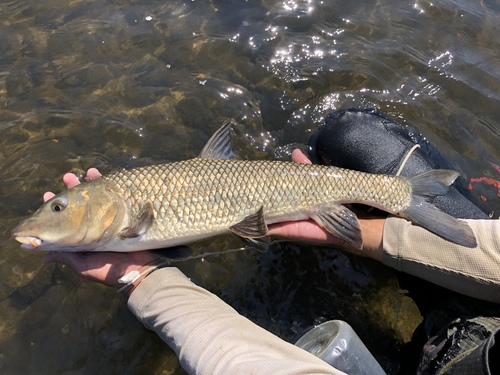
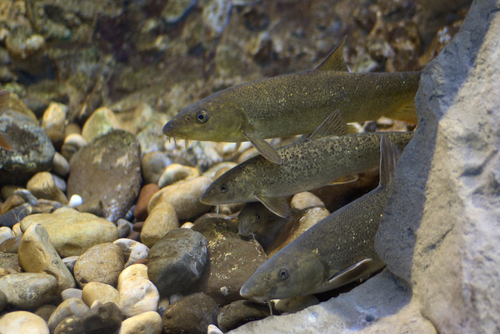
Barbus plebejus, formally named Barbus plebejus Bonaparte, 1839, can reach a maximum length of 70 cm (28 in) in males and a maximum weight of 6 kilograms (13 lb), though individuals are usually much smaller. It has a long, slender body, and its mouth holds four characteristic barbels, which is the source of both its common name and genus name. Its back is greenish with black dots, its sides are finely dotted, and its belly is whitish. Its paired fins have a grey tinge, it has a slightly thorny dorsal ray, and its lower lip bears a median lobe. This species occurs in Croatia, Italy, Slovenia, and Switzerland. Similar to the common barbel, these long-lived fish naturally inhabit the running waters of rivers, and rarely occupy freshwater lakes. They are benthopelagic, meaning they live in the water just above the river or lake bottom, and feed on benthic invertebrates, small fish, and algae. They are potamodromous, meaning they migrate within freshwater to spawn. The IUCN does not consider this species a threatened species.