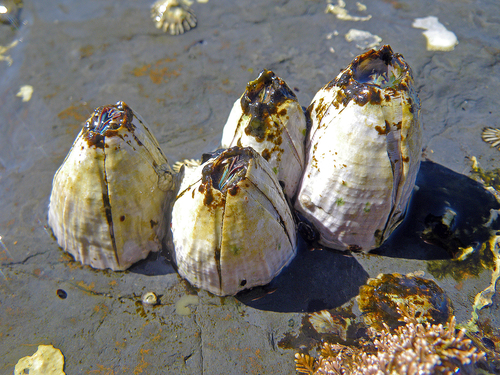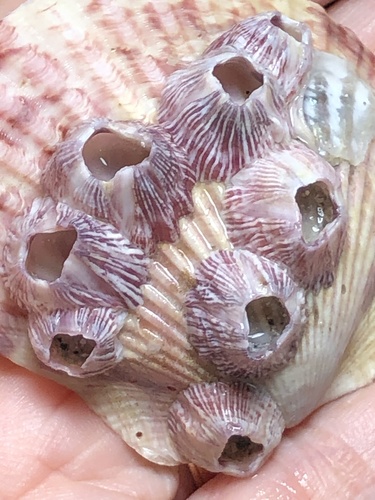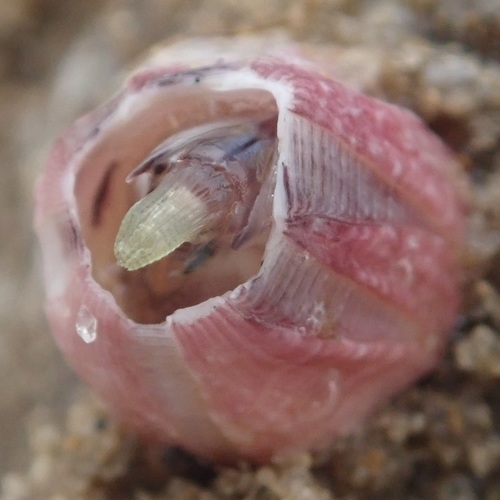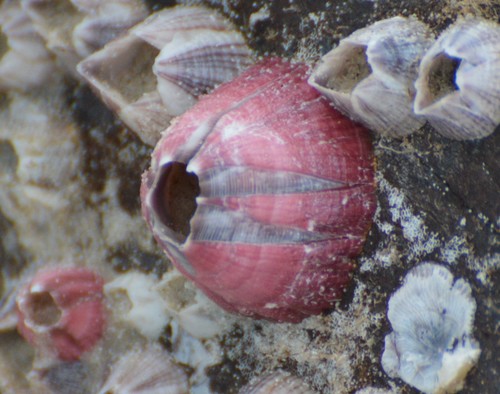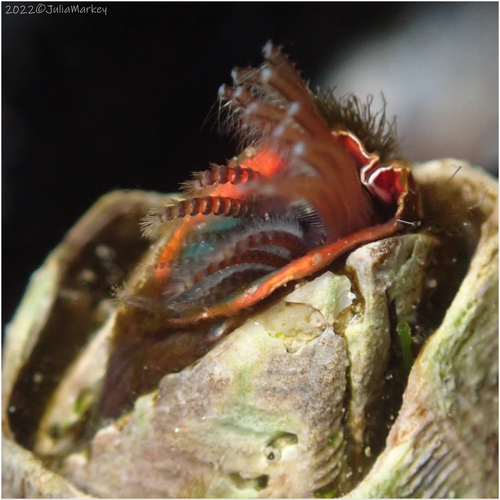
Balanus nubilus Darwin, 1854 is a animal in the Balanidae family, order Sessilia, kingdom Animalia. Not known to be toxic.

Photo of Balanus nubilus Darwin, 1854 (Balanus nubilus Darwin, 1854)
🦋 Animalia

Balanus nubilus Darwin, 1854

Balanus nubilus Darwin, 1854

Balanus nubilus, the giant acorn barnacle, is the world's largest barnacle, native to the northeast Pacific Ocean.

Family
Genus
Balanus
Order
Sessilia
Class
Maxillopoda

About Balanus nubilus Darwin, 1854

Balanus nubilus, commonly known as the giant acorn barnacle, is the largest barnacle species in the world. Individuals can reach 15 cm (6 inches) in diameter and grow up to 30 cm (12 inches) in height, and this species contains the largest known muscle fibers of any organism. This species is native to the northeast Pacific Ocean, with a range that extends from southern Alaska to Baja California. It is most often found growing on rocks, pier pilings, and hard-shelled marine animals, at depths of up to 90 meters (300 feet). Like all other acorn barnacles, B. nubilus is a filter feeder. The species is preyed on or eaten by sea otters, sea stars, crabs, and the Native peoples of the Pacific Northwest. Empty abandoned shells of B. nubilus are used as shelter by the crab Glebocarcinus oregonensis.
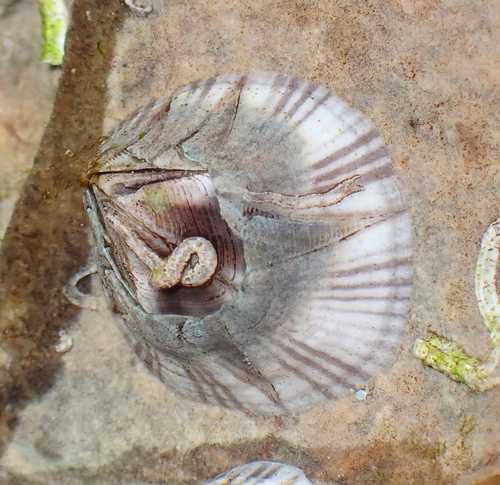
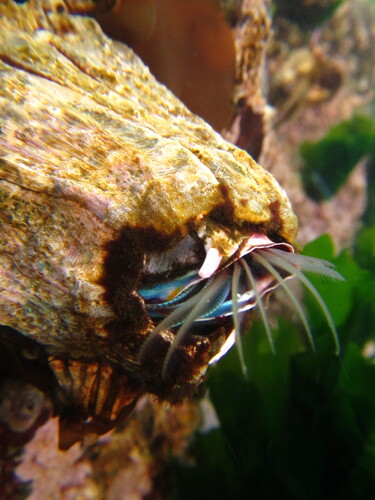
Photo: (c) juliamarkey, some rights reserved (CC BY-NC), uploaded by juliamarkey · cc-by-nc

Taxonomy

Animalia Arthropoda Maxillopoda Sessilia Balanidae Balanus

More from Balanidae

Sources: GBIF, iNaturalist, Wikipedia, NCBI Taxonomy · Disclaimer

Identify Balanus nubilus Darwin, 1854 instantly — even offline

iNature uses on-device AI to identify plants, animals, fungi and more. No internet needed.

Download iNature — Free

Start Exploring Nature Today

Download iNature for free. 10 identifications on us. No account needed. No credit card required.

Download Free on App Store