About Balanites aegyptiaca (L.) Delile
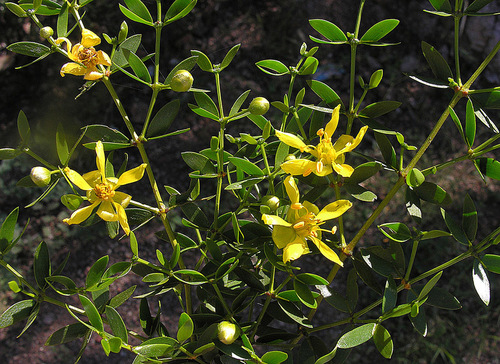
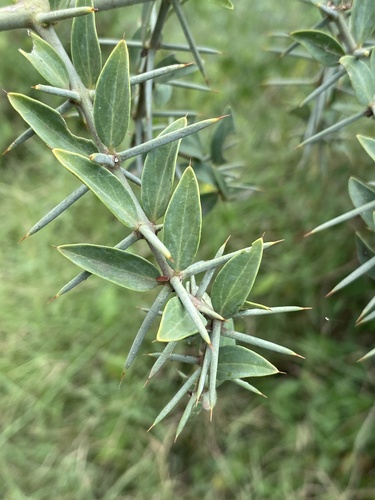
Balanites aegyptiaca (L.) Delile has many common names across different languages. In English, its fruit is called desert date, while the tree is also known as soap berry tree or bush, thorn tree, Egyptian myrobalan, Egyptian balsam, or Zachum oil tree. In Arabic it is called lalob, hidjihi, inteishit, and heglig (hijlij); in Jieng it is called Thou or thau; in Hausa it is called aduwa; in the Tuareg language Tamasheq it is called taboraq; in Fulfulde (Pulaar) it is called Murtooki or Tanni; in Swahili it is called mchunju; in Kamba it is called Kilului; and in Amharic it is called bedena. This tree grows to 10 meters (33 feet) tall and typically has a narrow form. Its branches bear long, straight green spines arranged in spirals. Dark green compound leaves grow from the base of the spines, and each leaf is made of two leaflets that vary in size and shape. The fluted trunk has grayish-brown, ragged bark, with yellow-green patches visible where sections of bark have shed. The inflorescence is made up of small clusters of a few flowers, which are either attached directly to the cluster or borne on short stalks. Flower buds are ovoid and covered in a short, dense, fuzzy pubescence. Individual flowers are greenish-yellow, hermaphroditic, have five petals, show radial symmetry, and measure 8–14 millimeters (0.31–0.55 inches) in diameter. The inflorescence stalk (pedicel) is grayish, downy, and usually less than 10 mm (0.39 in) long, though lengths up to 15 mm (0.59 in) have been recorded in Zambia and Zimbabwe. In its ecology, the carpenter ant Camponotus sericeus feeds on nectar exuded by the plant's flowers, and larvae of the cabbage tree emperor moth Bunaea alcinoe cause defoliation of the tree. Balanites aegyptiaca has been cultivated in Egypt for more than 4,000 years, and date stones from this plant have been found as votive offerings in tombs dating back to the Twelfth Dynasty. It was first described in 1592 by Prospero Alpini under the name 'agihalid'. Linnaeus classified it as a species of Ximenia, while Michel Adanson proposed placing it in the new genus Agialid. The genus Balanites was established in 1813 by Delile. The plant produces a yellow, single-seeded fruit that is edible but bitter. Many parts of the plant are used as famine foods across Africa: leaves are eaten raw or cooked, the oily seed is boiled to reduce bitterness and eaten mixed with sorghum, and flowers can be eaten. The tree is valued in arid regions because it produces fruit even during dry periods. The fruit can also be fermented to make alcoholic beverages. After oil is extracted from the seeds, the remaining seed cake is commonly used as animal fodder in Africa. Seeds of Balanites aegyptiaca have a molluscicide effect on the snail Biomphalaria pfeifferi. Where their ranges overlap, African elephants consume the fruit of this species. In traditional medicine, desert date fruit is mixed into porridge and eaten by nursing mothers, and the oil is consumed to relieve headache and improve lactation. Extracts from the bark and the fruit itself repel or kill freshwater snails and copepods, which act as intermediate hosts for parasites including Schistosoma (the cause of Bilharzia) and guinea worm. Extracts of the plant are also used to treat worm infections, as well as liver and spleen disorders. A decoction made from the bark is used as an abortifacient and as an antidote for arrow poison in West African traditional medicine. Studies have investigated the antigiardial (active against Giardia parasites), antiamoebic, antimicrobial, and antioxidant activity, as well as the cytotoxicity of fruit extracts from this species. The seeds contain 30–48% fixed (non-volatile) oil, which is also present in the leaves, fruit pulp, bark, and roots. Seeds also contain the sapogenins diosgenin and yamogenin, and saponins are found in the roots, bark, wood, and fruit.