About Awaous stamineus (Eydoux & Souleyet, 1850)
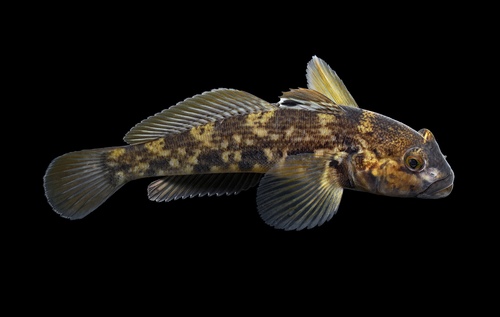
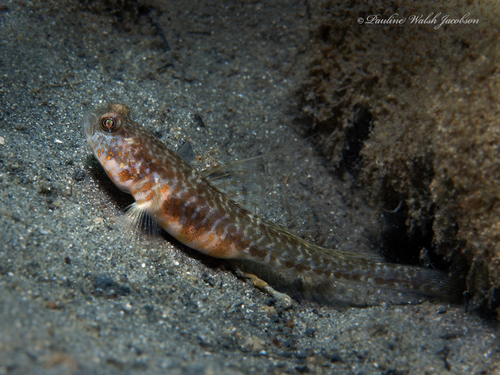
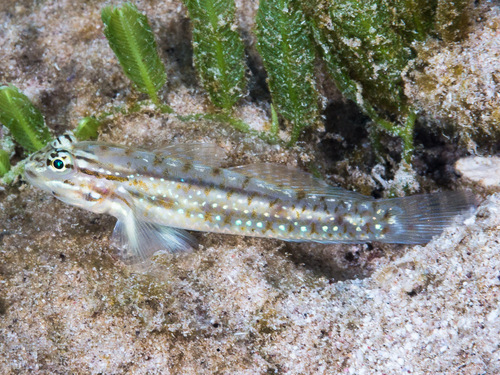
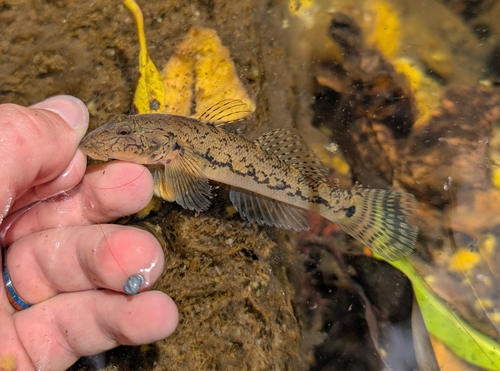
Awaous stamineus, commonly known as ʻOʻopu nakea, is an omnivorous fish. Analysis of gut contents shows 84% of its diet is filamentous algae, while the remaining 16% consists of chironomids, also called non-biting midges. Adults reach approximately 14 inches (36 cm) in length, with a dark olive body patterned by white streaks and speckles. For reproduction, males build nests downstream, then attract females to lay eggs. Both males and females guard the nest, and females produce only one clutch of eggs per year. Known predators of this species include multiple bird species such as the ʻaukuʻu (black-crowned night heron), and various fish species: āholehole (dark-margined flagtail), ulua (trevallies), moi (Pacific threadfin), and kākü (great barracuda). This fish is found in slow-moving waters. Individuals migrate to stream mouths during their annual spawning run, and they are especially common on Kauaʻi during this period. After spawning, they swim back upstream into areas 10 to 200 feet (3 to 61 meters) above sea level, through strong currents. Humans harvest ʻOʻopu nakea for food, eating it either raw or cooked. A common traditional preparation method is salting the fish for 12 hours, then wrapping it in ti leaves and cooking it over hot coals.