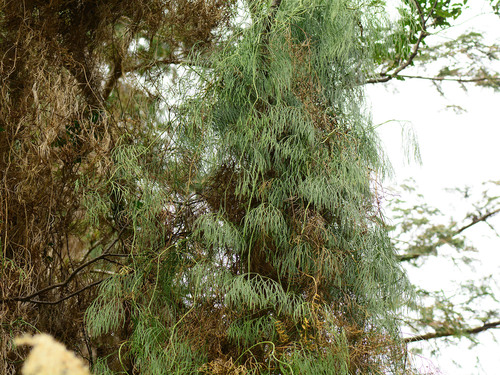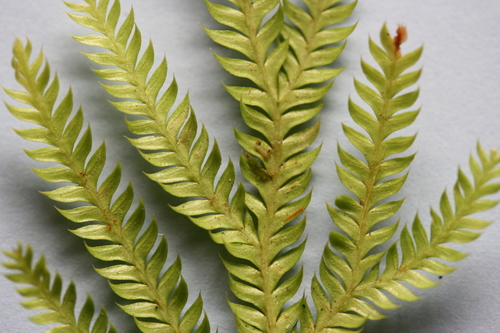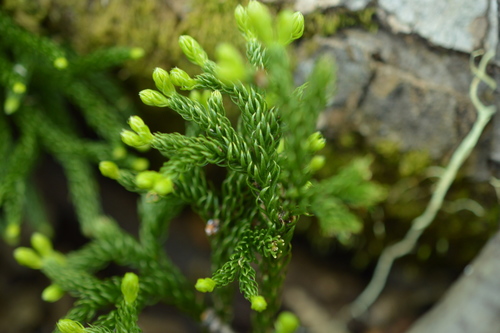
About Austrolycopodium magellanicum (P.Beauv.) Holub
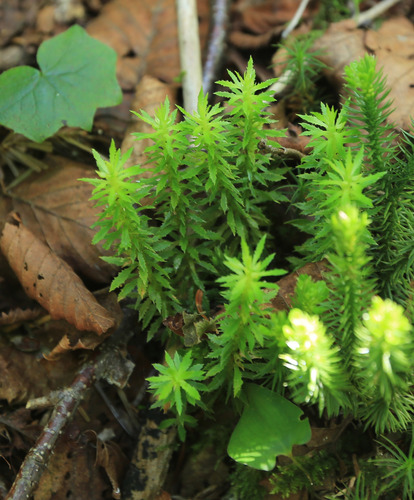
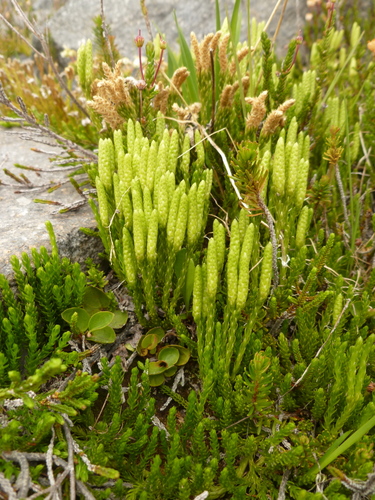
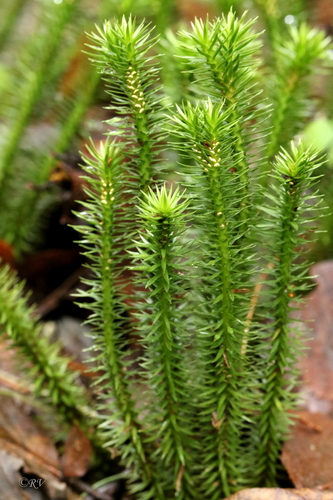
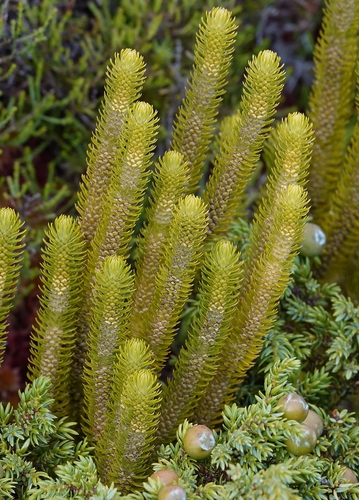
Austrolycopodium magellanicum, commonly known as Magellanic clubmoss, has the scientific synonym Lycopodium magellanicum. It is a species of vascular plant that belongs to the club moss family Lycopodiaceae. The genus Austrolycopodium is recognized in the 2016 Pteridophyte Phylogeny Group classification (PPG I), but other classifications do not accept this genus and instead place it within Lycopodium. This species grows in mountainous regions of Latin America, ranging from Costa Rica and the Dominican Republic south to Tierra del Fuego. It is also found on multiple islands in the Antarctic and subantarctic oceans, including Tristan da Cunha, Gough Island, Amsterdam Island, South Georgia and the South Sandwich Islands, the Falkland Islands, the Juan Fernández Islands, Marion Island, the Prince Edward Islands, Îles Crozet, and Îles Kerguelen. A variety of natural products have been extracted from this plant: magellanine, magellaninone, panticuline, acetyldihydrolycopodine, acetylfawcettiine, clavolonine (8b-hydroxylycopodine), deacetylfawcettiine, fawcettiine, lycopodine, lycodine, alpha-obscurine (2,3-dihydro-b-obscurine), and beta-obscurine. Some of these compounds are known to be acetylcholinesterase (AChE) inhibitors.