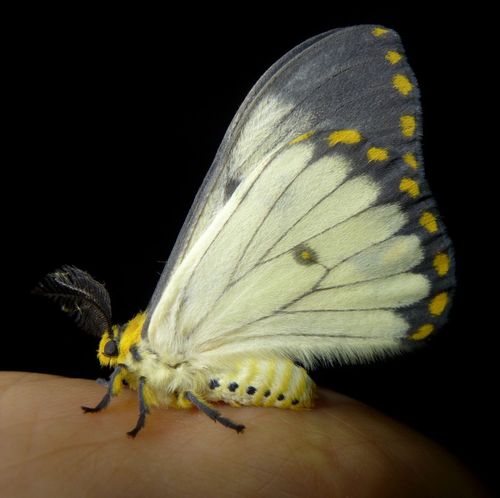
About Attacus atlas (Linnaeus, 1758)
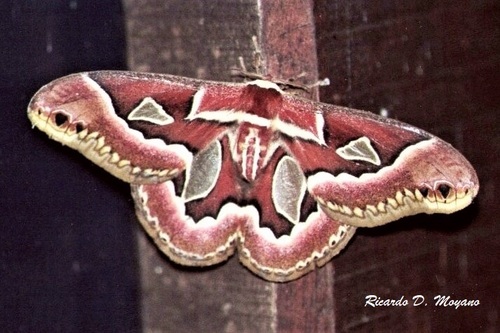
Attacus atlas, commonly called the Atlas moth, is a large saturniid moth that is native to forests across Asia. This species was first formally described by Carl Linnaeus in the 10th edition of his work Systema Naturae, published in 1758. The Atlas moth ranks among the largest lepidopterans in the world. Its maximum recorded wingspan reaches 24 cm (9.4 in), and its total wing surface area is approximately 160 cm² (25 in²). Only two species have a larger wingspan than the Atlas moth: the white witch (Thysania agrippina) and Attacus caesar. Only the Hercules moth (Coscinocera hercules) has a larger wing surface area than the Atlas moth. Like most silk moths, Atlas moth females are noticeably larger and heavier than males, while males have broader antennae. The Atlas moth's primary habitats are dry tropical forests, secondary forests, and shrublands. These habitats occur across South Asia, East Asia, and Southeast Asia, including the island of Borneo.