About Atelopus varius (Lichtenstein & Martens, 1856)
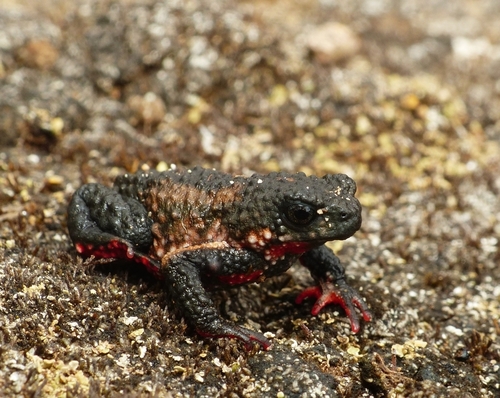
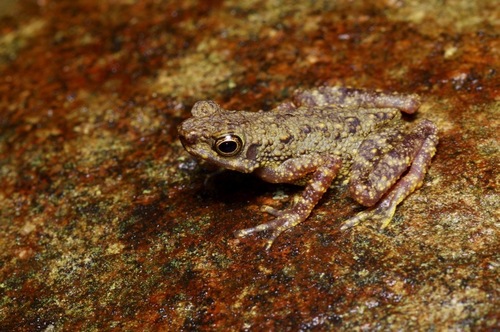
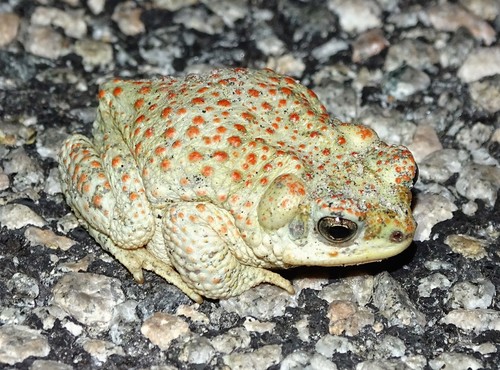
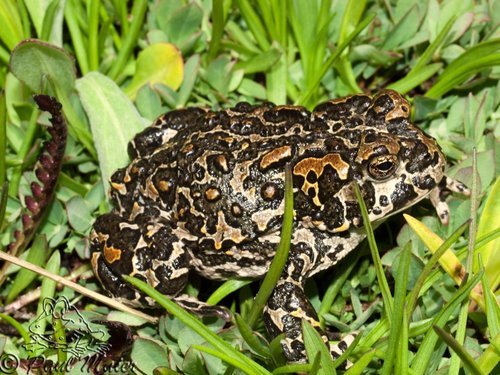
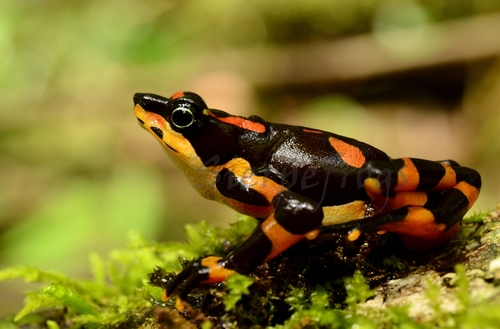
Atelopus varius, commonly known as the Costa Rican variable harlequin toad or clown frog, is a small Neotropical true toad in the family Bufonidae. While this species historically ranged from Costa Rica to Panama, it is currently classified as critically endangered. Its populations have been reduced to a single remnant group near Quepos, Costa Rica (rediscovered in 2003), plus only relict populations in western Panama. The leading causes of A. varius population decline are recent changes in air temperature, precipitation, and stream flow patterns, as well as the resulting spread of the pathogenic chytrid fungus Batrachochytrium dendrobatidis, changes linked to global climate change. A. zeteki was once classified as a subspecies of A. varius, but it is now generally recognized as a separate species. The historic geographic range of A. varius extended from the Pacific and Atlantic slopes of Costa Rica's Cordilleras de Tilaran mountain range into western Panama. Suitable habitat for the species includes pre-montane, lower-montane, and some lowland sites along rocky streams in hilly areas, at elevations ranging from 6 to 2,000 metres (20 to 6,562 feet). A. varius is a diurnal species, often found on rocks or in crevices alongside streams in humid lowland and montane forests. It is primarily terrestrial, only entering water during breeding season, and gets the moisture it needs from stream spray. The Costa Rican variable harlequin frog moves slowly and often stays in the same area for long periods of time. Its conspicuous aposematic coloration likely acts as a warning to potential predators that its skin contains tetrodotoxin, a potent neurotoxin. The main food source of A. varius is small arthropods, which are most abundant during the dry season. The only known predator of A. varius is the parasitic sarcophagid fly Notochaeta bufonivora, which deposits its larvae on the surface of the frog's thigh. The larvae then burrow into the frog's body and eat it from the inside out.