About Aster alpinus L.
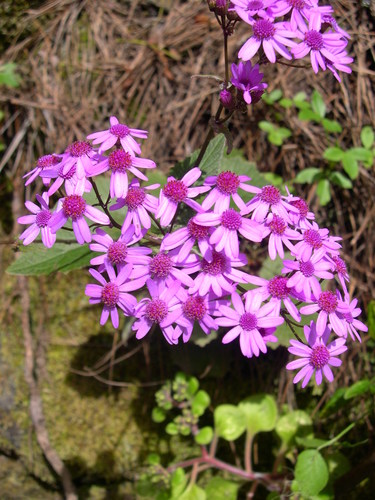
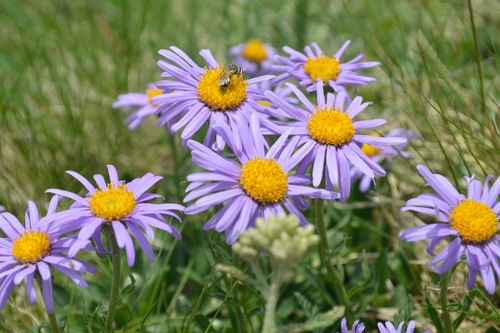
Aster alpinus L. is a caespitose herbaceous perennial that reaches 10–35 cm in height. Its flowers can be blue, indigo, violet, white, or pink, and these erect flowers are always solitary. It has basal, untoothed leaves that are lanceolate-spatulate in shape. The Latin specific epithet alpinus means alpine, referring to origins from high mountains above the timber line. This plant has gained the Royal Horticultural Society's Award of Garden Merit in the UK. It is native to mountain ranges of Europe, including the Alps and Pyrenees, and it is the only true aster that grows in North America. It grows best in cooler climates. It grows very slowly in clay, silt, loam, silty clay, and sandy clay soils, and is adapted to a wider range of soil types including clay, silt, loam, silty clay, sandy clay, clay loam, silt loam, sandy loam, silty clay loam, and sandy clay loam. It prefers soils with low fertility, and requires a soil pH between 6 and 7.5. After cell damage occurs, the lowest temperature this plant can tolerate is −28 °C (−18.4 °F). It can survive medium heat from wildfire, and needs at least 90 frost-free days to grow properly. As an herbaceous plant, it is attractive to bees, butterflies, and birds.