About Astelia hastata Colenso
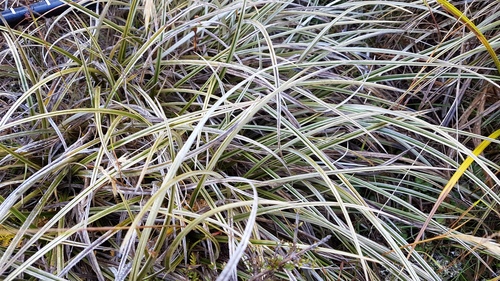
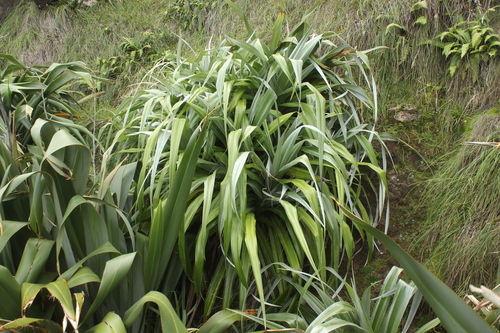
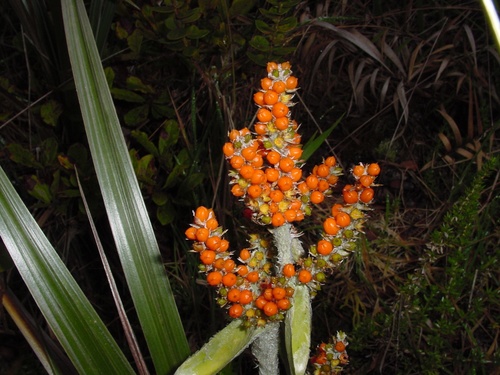
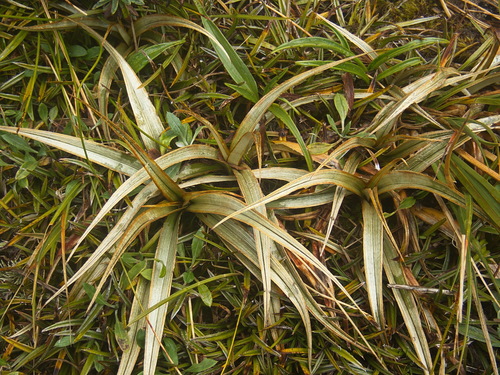
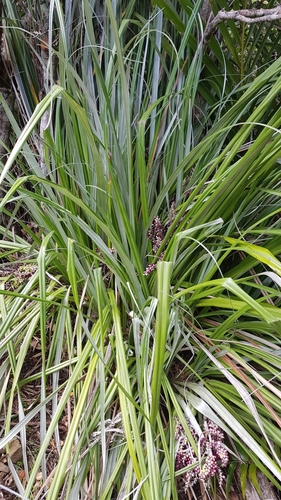
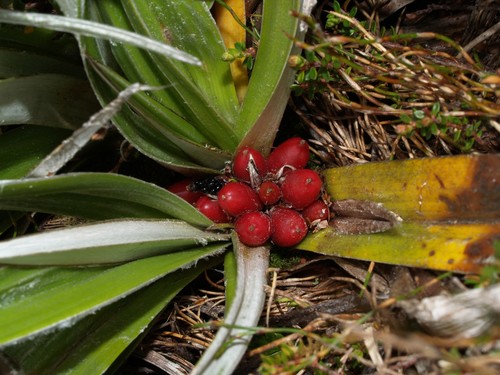
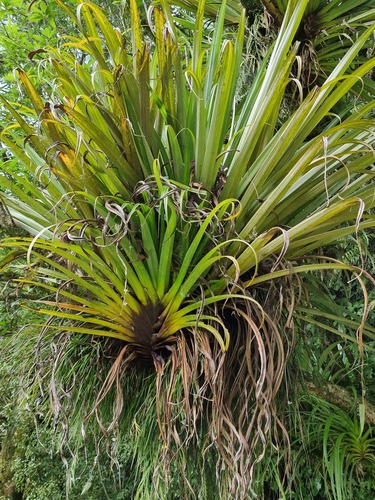
Like other epiphytic species in the genus Astelia, Astelia hastata Colenso is a tufted plant that grows its leaves in a fan-like arrangement, with roots growing through the base of the leaves. The overlapping of leaves at the base creates a phytotelma, a small structure that collects soil and water. This space is commonly used as a nesting ground by flies, as well as amphibian and lizard species including Leiopelma archeyi. A. hastata is dioecious, meaning each individual plant produces only male or only female flowers. The flowers form in panicles, are generally insect-pollinated, and bloom between January and March. After flowering, the plants produce fruit that ripen from March to August. Ripe fruit are red, and hold a large number of black seeds, each surrounded by a thick aril. The fruit of A. hastata is a food source for native New Zealand species including kererū, pekapeka and South Island kōkako. For indigenous Māori people, A. hastata was an important plant. Māori ate the fruit, and used the plant's leaves to weave baskets, headbands and sandals. The white fibers found on the underside of some leaves were also used as ornaments in women's hair.