About Arvicanthis niloticus (É.Geoffroy, 1803)
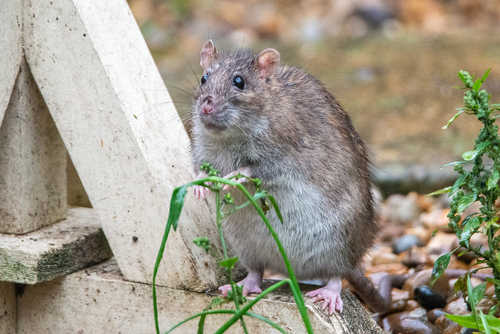
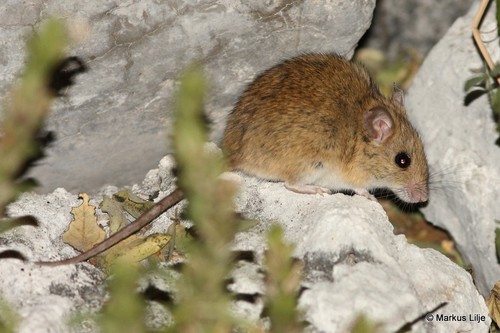
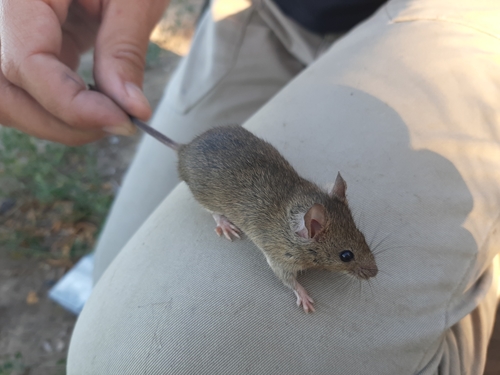
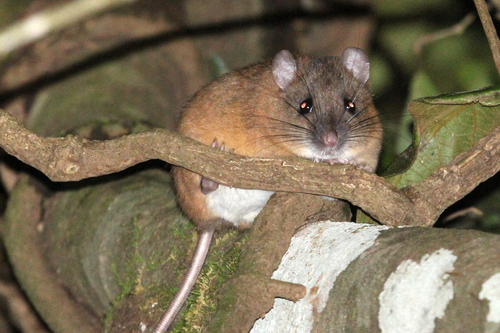
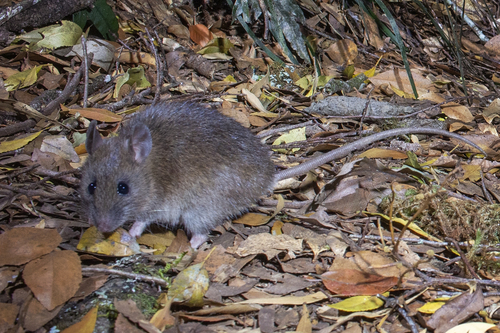
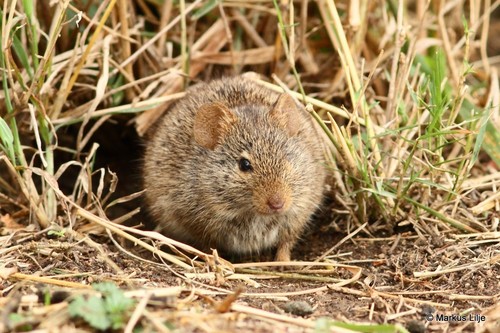
Arvicanthis niloticus (É.Geoffroy, 1803) is a medium-sized rodent. Individuals have a combined head and body length between 159 and 202 mm, tail length between 125 and 173 mm, foot length between 33 and 42 mm, and ear length between 19 and 23 mm. The species reaches a maximum weight of 201 g. Its fur is rough. Individual hairs on the upper parts of the body are yellowish with blackish tips. Long yellow or orange hairs are present on the lower portion of the body. A more or less distinct dark dorsal stripe runs from the head to the base of the tail. The ventral parts are whitish, with blackish hair bases. The areas around the whiskers and eyes, and a small patch behind each ear, are orange. The legs are pink. The tail is shorter than the combined head and body length, is densely covered in hair, and is blackish on its upper side and white-yellowish on its lower side. This species has a karyotype of 2n = 62, FN = 62-64. It is primarily distributed across the Sahel and the sudano-zambesian Savanna belt, occurring in Benin, Burkina Faso, Burundi, Central African Republic, Chad, Democratic Republic of the Congo, Ivory Coast, Eritrea, Ethiopia, Gambia, Ghana, Kenya, Malawi, Mauritania, Niger, Nigeria, Senegal, Sierra Leone, Somalia, Sudan, Tanzania, Togo, Uganda, and Zambia. Additional populations are found in Algeria, Egypt, and Yemen. Its natural habitats include dry savanna, moist savanna, subtropical or tropical moist shrubland, arable land, pastureland, rural gardens, urban areas, irrigated land, and seasonally flooded agricultural land. This species, commonly called the Nile rat, has become established as a useful nutritional animal model for the study of Type 2 Diabetes (T2DM). Nile rats develop Metabolic Syndrome that progresses into diet-induced Type 2 Diabetes, which closely resembles human T2DM. Symptoms include insulin resistance, hyperinsulinemia, increased body fat, hypertension, elevated triglycerides, and decreased High-Density Lipoproteins. The condition eventually progresses to hyperglycemia and beta cell failure, leading to reduced insulin production and end-stage diabetes accompanied by severe ketosis. Beta cell failure in Nile rats follows the same five-stage decline pattern that is documented in humans with T2DM.