About Artocarpus integer (Thunb.) Merr.
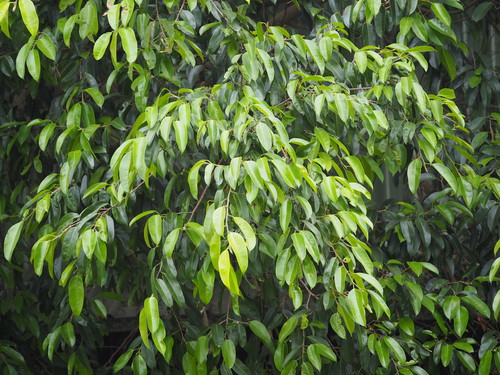
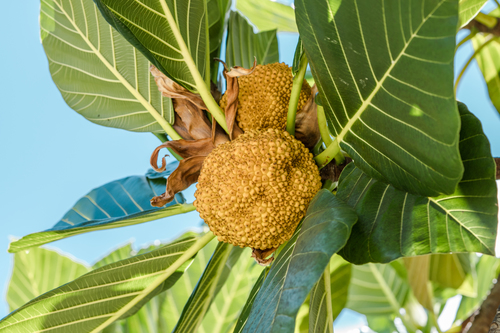
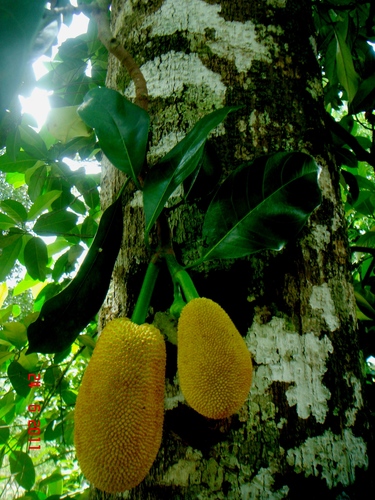
Cempedak (Artocarpus integer (Thunb.) Merr.) is a species of large evergreen tree. Mature trees can reach 20 meters in height, though most grow to around 12 meters. This species is monoecious, meaning both male and female flowers grow on a single individual tree. There are many varieties of cempedak, but only a small number of these varieties have been formally named. When growing vigorously, cempedak trees can produce heavy fruit crops one or two times per year. Cempedak is valued for its edible, pulpy yellow or orange flesh, which is rich in beta-carotene. The flesh has a distinctive sweet flavor similar to a combination of durian and mango. The fruit is commonly consumed in regions where it is cultivated, and can be eaten either fresh or cooked. Large cempedak fruits are often cut open and sliced into pieces for sale. The large seeds of the fruit can be fried, boiled, or grilled, then peeled and eaten with salt, and have a flavor similar to water chestnuts. Young cempedak fruits can be used as a vegetable, similar to young jackfruit; they are peeled, sliced, boiled, then seasoned or added as an ingredient to other dishes such as curries. In South and East Kalimantan, Indonesia, people have a historical practice of fermenting cempedak's inner skin using lactic acid bacteria to make a traditional food called dami or mandai. To prepare this food, the fruit is peeled until the inner layer appears white, then this inner skin is left to ferment, and mandai is typically fried before consumption. The wood of the cempedak tree is strong, durable, and good quality, and is used as a building material for home furnishings and boats. The fibrous bark of the tree can be processed to make ropes, and yellow dye can be produced from the tree's wood.