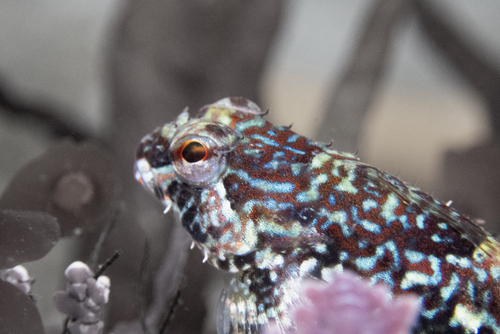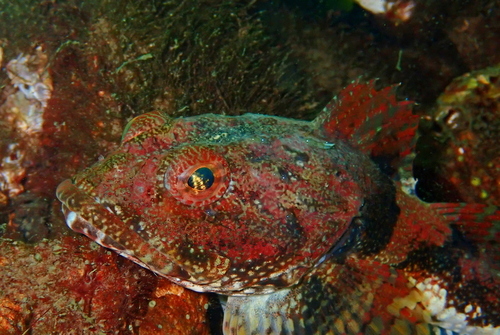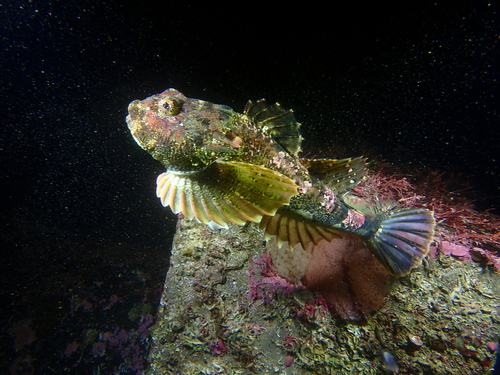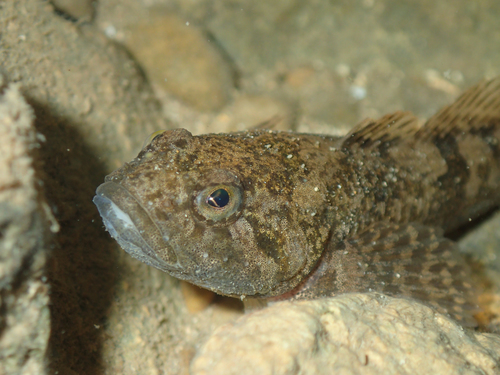
About Artedius fenestralis Jordan & Gilbert, 1883
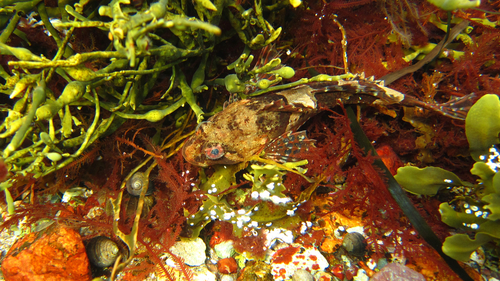
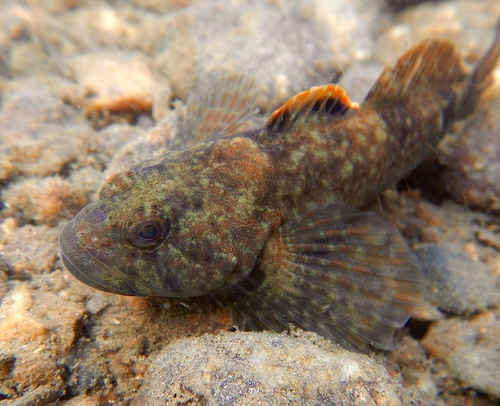
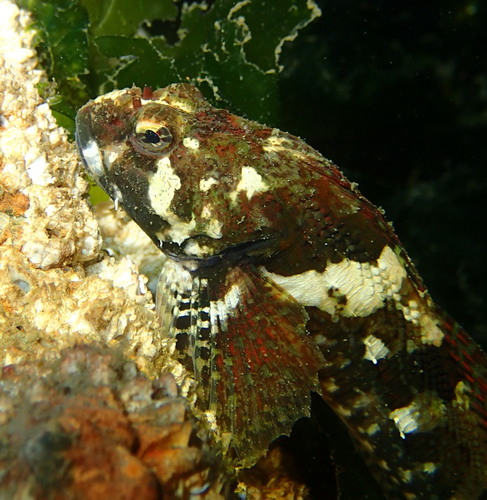
Artedius fenestralis, commonly known as the padded sculpin, is a species of marine ray-finned fish that belongs to Cottidae, the family of typical sculpins. This species is native to the eastern Pacific Ocean, and its range stretches from the Alaska Peninsula down to Southern California along the North American Pacific Coast. It reaches a maximum total length of 14 centimeters. Its diet includes shrimp, small fishes, and small benthic invertebrates such as amphipods and isopods, and it catches prey using suction feeding. The padded sculpin is most commonly found in rocky intertidal and subtidal nearshore habitats, and it shows a strong preference for ecotones at the edges of kelp forests. It lives in a variety of benthic habitats, and this habitat choice supports its specific feeding and dietary needs. It also contributes notably to the structure of local fish assemblages in these areas. Artedius fenestralis primarily reproduces via external fertilization, where eggs are laid and fertilized outside of the female's body. However, evidence indicates this species has some reproductive flexibility: in laboratory settings, A. fenestralis eggs have been observed developing without added sperm, which suggests the possibility of internal gamete association, meaning sperm may already be present inside the female before eggs are laid. Males of this species provide parental care as a core part of the species' reproductive strategy. After fertilization occurs, males guard the eggs until they hatch, protecting the developing eggs from predators and other threats. This egg-guarding behavior is common among cottid fishes and greatly improves the survival rate of the offspring. Males often guard multiple egg clutches at the same time, which can increase their reproductive success because additional females tend to prefer mating with males that already hold eggs. Multiple factors influence female mate choice in this species. Laboratory experiments have shown that females prefer males that are already guarding eggs, meaning these males are seen as more desirable mates. Larger males also tend to attract more egg clutches, so male size also plays an important role in mate selection. This reproductive behavior demonstrates how both male size and male parental care contribute to reproductive success in the padded sculpin. A. fenestralis spawns in shallow water, usually in rocky intertidal zones or near kelp forests. The structural complexity of these habitats provides protection for the developing eggs. Like other sculpins, this species shows strong site fidelity and prefers specific breeding grounds, which leads to the formation of localized breeding populations, a pattern seen in many related sculpin species.