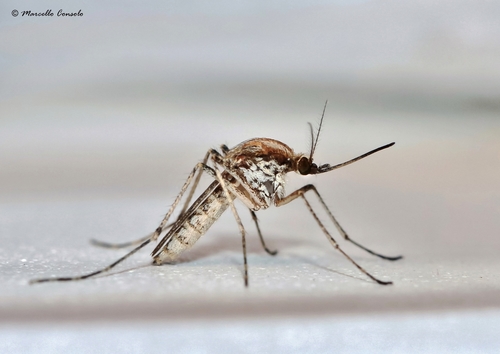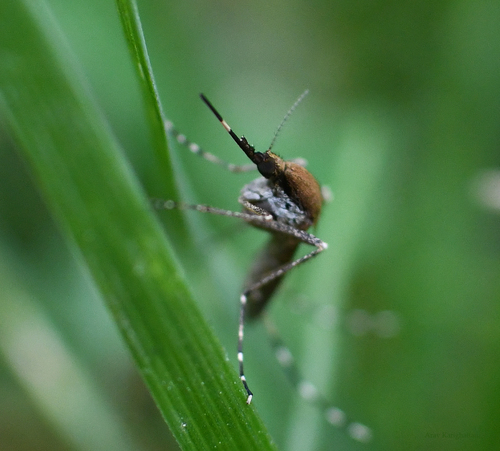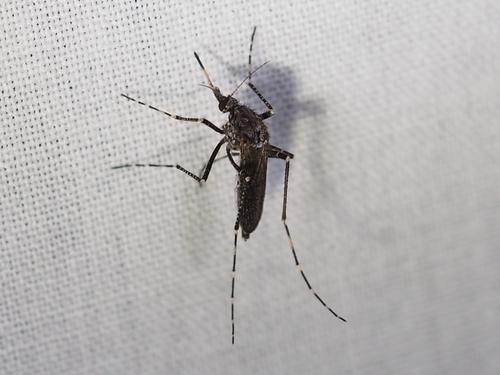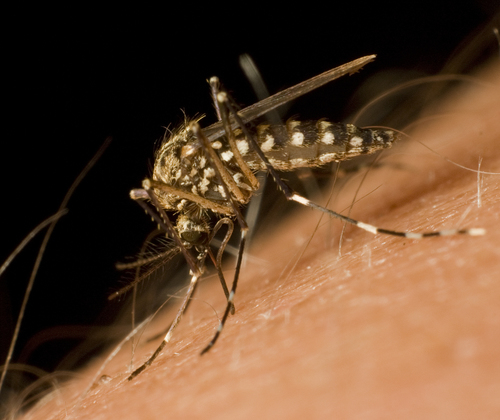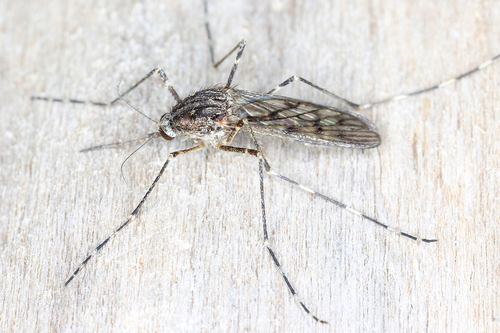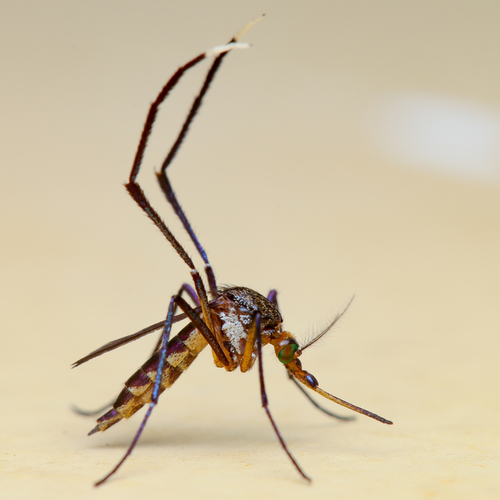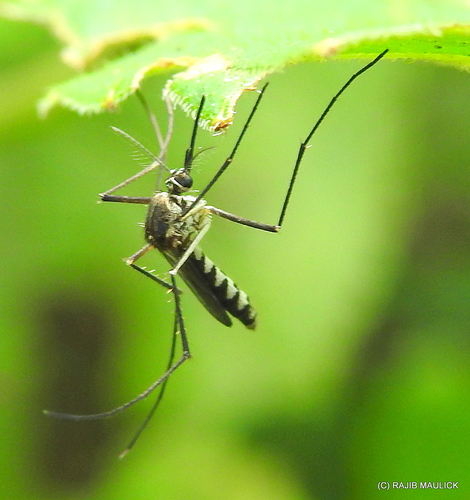
About Armigeres subalbatus (Coquillett, 1898)
The scientific name of this species is Armigeres subalbatus (Coquillett, 1898). The larvae of Armigeres subalbatus are carnivorous. They can be found in foul water pools that often have a high organic content. They are well adapted to survive in any clogged water location, including a range of natural habitats: hollow logs, rock holes, tree holes, bamboo, Pandanus axils, sago palm and banana stumps, fruit shells and husks, fallen leaves and spathes, flower bracts, and pitcher plants. They also occupy artificial containers that hold organic matter, as well as small collections of human-formed groundwater. Adult Armigeres subalbatus are mostly restricted to dark forested areas, and are most active during crepuscular periods. Females of the species primarily bite humans. Armigeres subalbatus has medical importance: it acts as a natural vector for filarial worms, including the zoonotic Brugia pahangi and Wuchereria bancrofti, which both cause filariasis in humans.