About Aristotelia chilensis (Molina) Stuntz
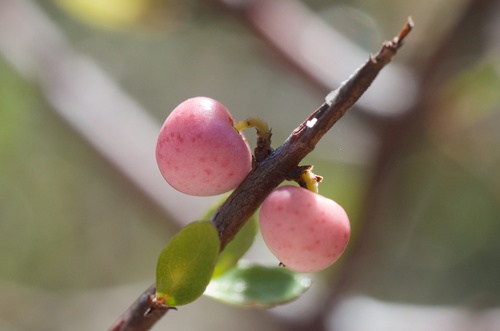
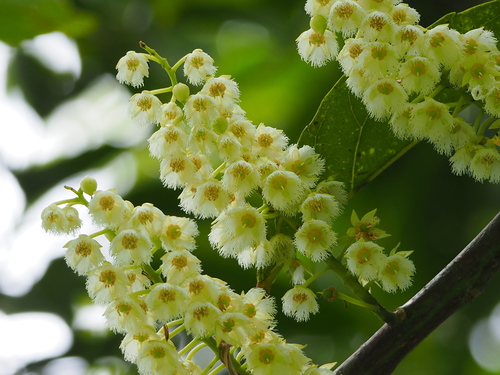
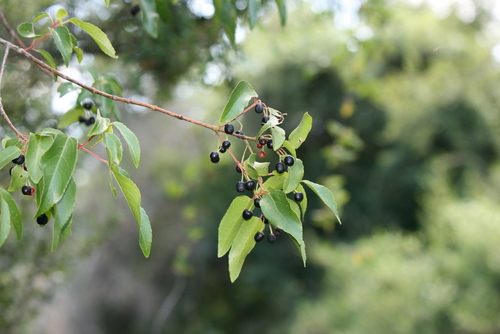
Aristotelia chilensis, commonly called maqui or Chilean wineberry, is a tree species in the Elaeocarpaceae family. It is native to the Valdivian temperate forests of Chile and adjacent southern Argentina in South America. A small number of these trees are cultivated in gardens for their small edible fruits, and wild-harvested maqui fruits are sold commercially. This species has gained attention for its potential use in forensic research: it is reported to be among the first plants to grow around experimental pig carcasses (used as substitutes for human corpses) in southern Chile.
In its native range, Aristotelia chilensis occurs naturally in Chilean rainforests along the southwest coast of South America. Its native territory stretches between the Coquimbo and Aysén regions of Chile, covering a total area of 170,000 hectares (420,000 acres).
Ecologically, maqui berries are a preferred food source for birds at the end of summer. Deforestation of Chile’s Valdivian temperate forests reduces bird-mediated seed dispersal for this species, which leads to inbreeding depression. Aristotelia chilensis is considered an invasive species in the Juan Fernandez Islands.
Maqui berries are harvested from wild plants each year between December and March, primarily by Mapuche families who collect the fruit in areas near the Andes Mountains. The harvesting process works as follows: harvesters collect the trees’ side branches, shake them to separate berries and leaves from the branch, then use a mechanical process to separate berries from the leaves. In the Juan Fernandez Islands, the Juan Fernandez Women's Group has led work to reduce the species’ invasive presence by encouraging local women to harvest maqui berries and make saleable products from them. Stored maqui fruits are sold in local markets, with prices ranging from $6.5 to $15 per kilogram ($2.9 to $6.8 per pound). The average annual yield is around 220 kilograms (490 pounds) per hectare, and the estimated total annual harvest is only 90 short tons (180,000 pounds), due to the remote growing locations and difficulties with transportation.
Aristotelia chilensis is planted in home gardens, and is not grown commercially on an orchard scale. Most maqui fruit sold on the market is gathered from wild populations. Maqui is sensitive to frost, tolerates seaside conditions fairly well, and prefers well-drained, slightly acidic, moderately fertile soil in full sun, with some protection from cold, drying winds. It can be grown in USDA hardiness zones 8 through 12. It is also cultivated in Spain, and in milder, wetter parts of Britain, where winter freezes cause dieback that actually stimulates new shoot growth in spring.