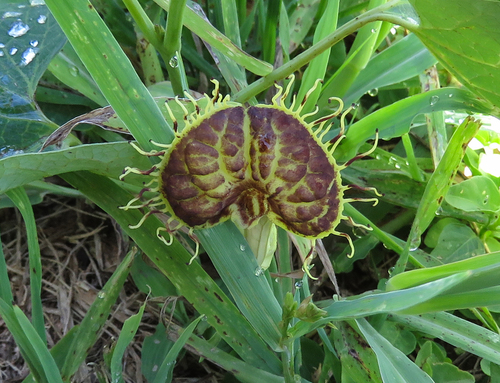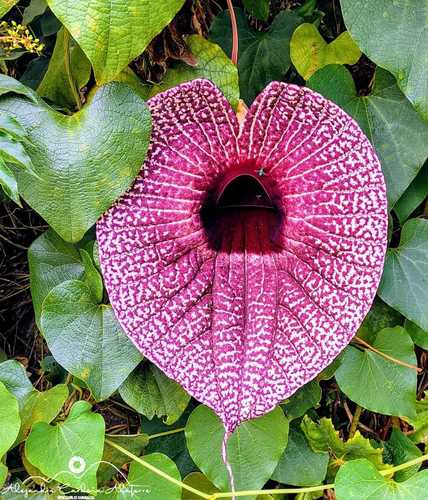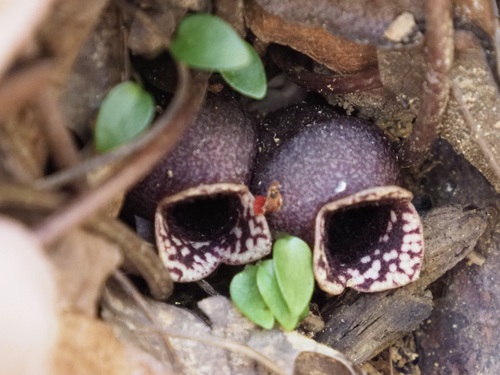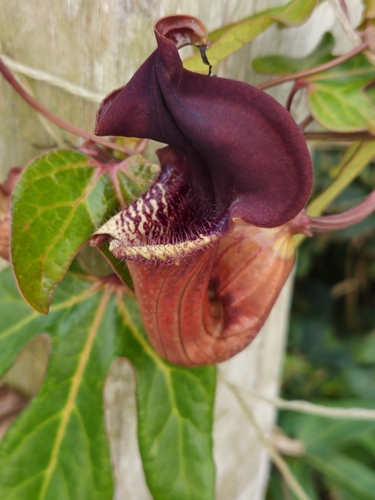
About Aristolochia rotunda L.
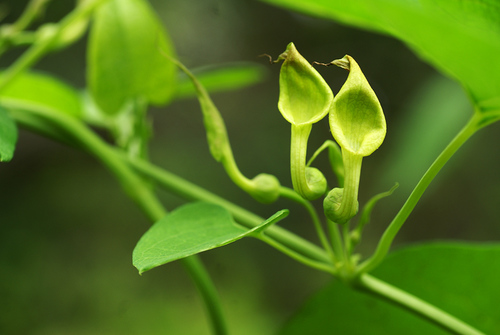
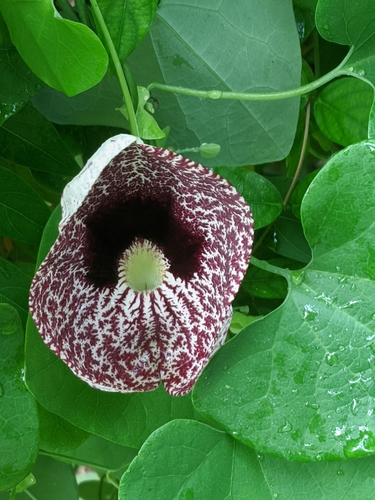
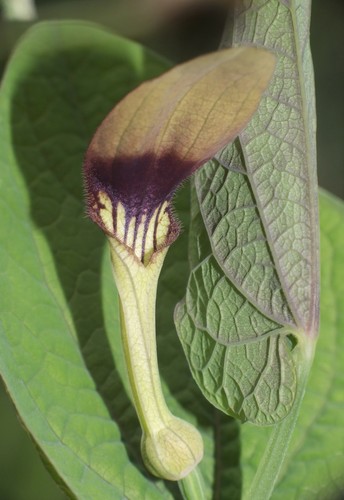
Aristolochia rotunda L. grows 20–60 centimetres (8–24 in) long, with slender, glabrescent stems that are either unbranched or branched. It has a tuberous root that reaches 5–25 cm (2–10 in) in length, which sometimes appears out of proportion to the plant’s slender overall build. Its stems bear alternate, large, smooth-edged, heart-shaped, stalkless leaves that measure 4–6 cm (1.6–2.4 in) long, and clasp the stem with enlarged basal lobes. Solitary tubular flowers, 2.5–5 centimetres (1–2 in) long, grow from the leaf axils. The flowers are yellowish-green with a prominent dark brown to dark purple flap, and produce an unpleasant smell. Its flowering period runs from April to June. This plant is common in Mediterranean countries from Spain east to European Turkey, and is very locally naturalised in southern England. It grows along canal banks, ditch edges, field edges, roadsides, meadows, slopes, and forests. It prefers chalky soils and moist, shady areas, and occurs at altitudes from 0 to 800 metres (0–2,625 ft) above sea level. The flowers of Aristolochia rotunda are hermaphrodite, and are pollinated by midges and other small insects via entomophily; these pollinators are attracted to the flower’s unpleasant scent. Small hairs inside the floral cup trap insects until pollination is complete, after which the hairs sag to let the insects escape. This species is a host plant for caterpillars of the uncommon butterfly southern festoon (Zerynthia polyxena). When the butterfly larvae eat the plant’s leaves, they ingest aristolochic acid, which makes them poisonous to birds.