About Arca noae Linnaeus, 1758
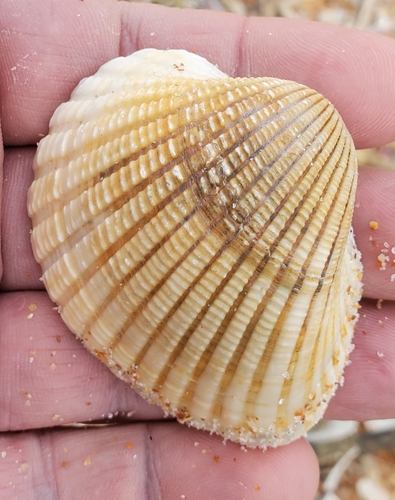
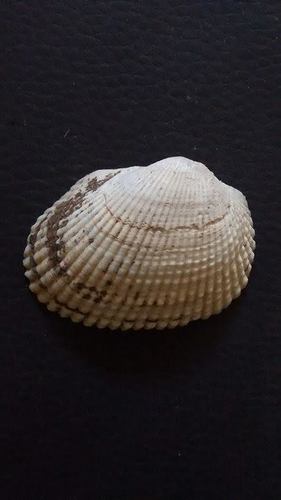
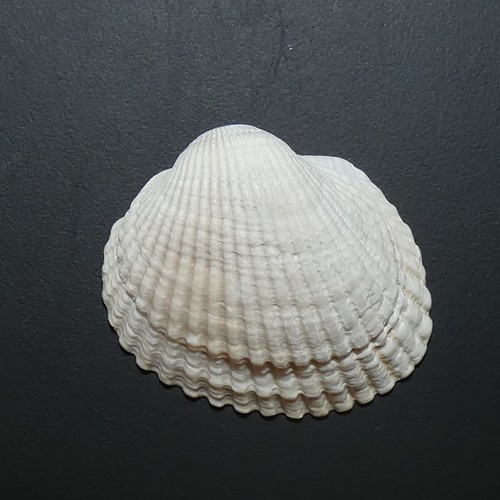
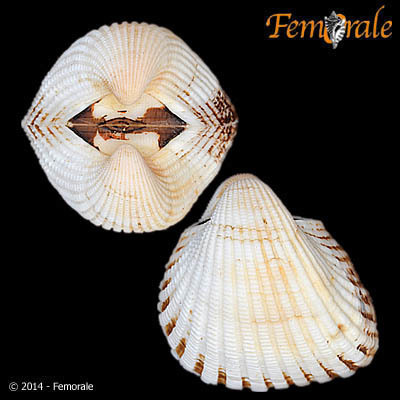
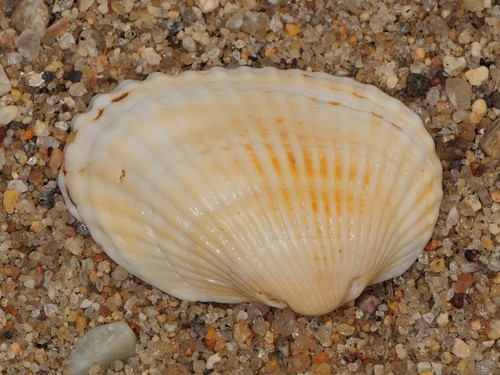
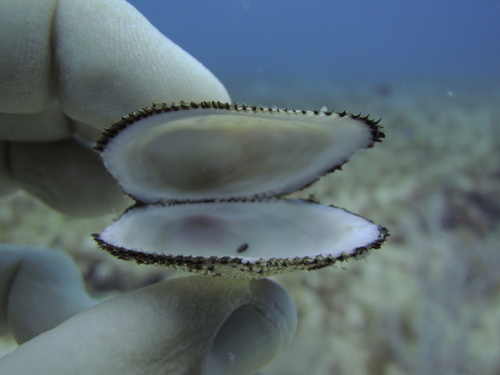
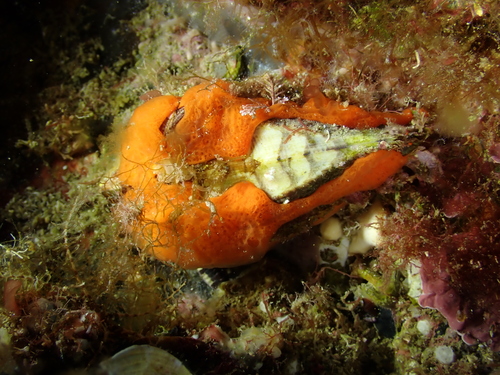
Arca noae Linnaeus, 1758 is a species with a shell that reaches approximately 10 cm (4 inches) in length. The shell is shorter at the anterior end and longer towards the posterior end. It has irregular brown and white striping, and finely sculptured ribs that run from the umbones to the shell margin. The hinge is long and straight, and the animal attaches firmly to its substrate using byssal threads. Pallial eyes are present on the edges of the mantle, most concentrated at the posterior end. This species occurs in the Mediterranean Sea. It was once abundant in the Adriatic, but a sudden, unexplained catastrophic population decline took place in 1949/50. Populations have gradually increased in size since the decline; in 2002, densities of up to 13 individuals per square metre (11 square feet) were recorded. It remains unclear whether the population has recovered to its original size, due to a lack of consistent past records. Arca noae is harvested commercially in the Adriatic Sea. Collection methods include hand-gathering by divers, or pulling specially adapted rakes along the seabed from boats. The harvested shellfish are sold in local markets.