About Apodemus sylvaticus (Linnaeus, 1758)
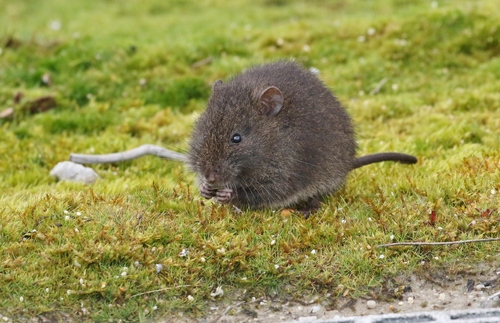
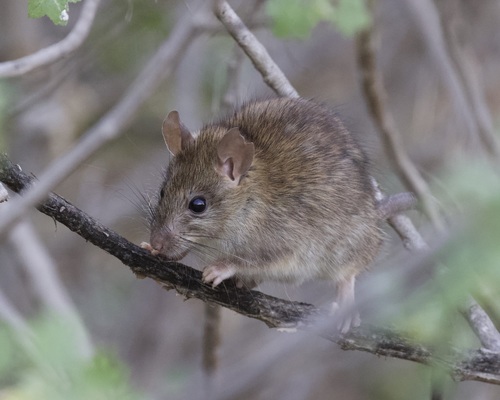
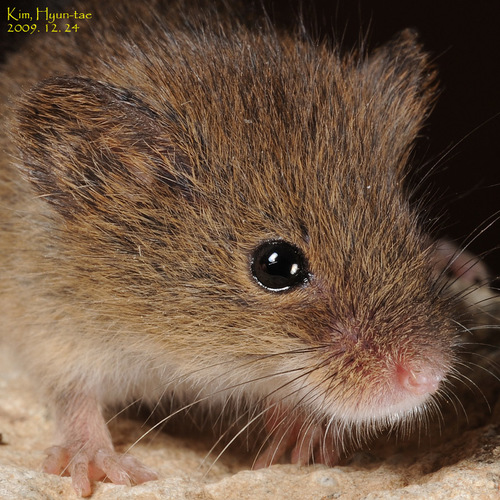
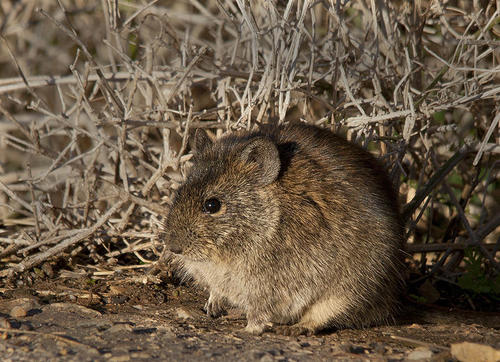
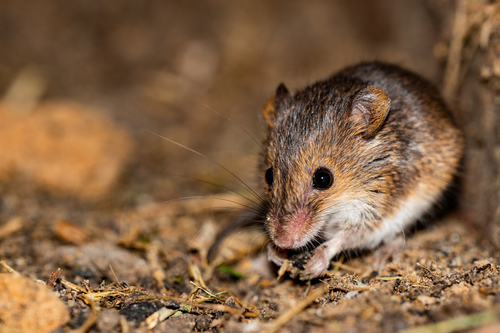
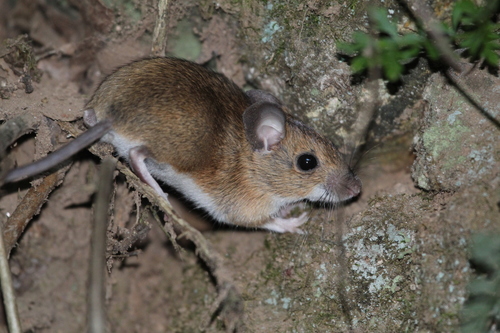
The wood mouse, scientifically named Apodemus sylvaticus (Linnaeus, 1758), is a murid rodent native to Europe and northwestern Africa. Other common names for this species include long-tailed field mouse, field mouse, common field mouse, and European wood mouse. It is closely related to the yellow-necked mouse (A. flavicollis), but can be distinguished by its lack of a yellow fur band around the neck, slightly smaller ears, and generally smaller overall size: it reaches around 90 mm (3.54 in) in length and weighs an average of 23 g. Widespread and very common across most of Europe, the wood mouse is commensal with humans and is sometimes considered a pest. It is a known potential carrier of the Dobrava sequence of hantavirus, which affects humans and may pose serious risks to human health. Wood mice inhabit forests, grasslands, and cultivated fields, and they tend to move into more wooded areas during winter. They are almost entirely nocturnal and terrestrial, burrow extensively, build nests from plant material, and will take shelter in buildings during harsh seasons. This is one of the most intensively studied species in the genus Apodemus. In Europe, its range extends north to Scandinavia and east to Ukraine, and it is also found in northwestern Africa and on many Mediterranean islands. The wood mouse's breeding season runs from February to October, during which males and females mate multiple times, leading to scramble competition. This behavior results in sperm competition and litters with multiple paternity. The species has a polygynous social structure, with mating occurring as an outcome of scramble competition in breeding periods. Males have a sperm-storing sac called the cauda epididymis, located underneath the scrotal protrusion, and temperature regulation in this sac maintains maximum sperm output. A notable characteristic of the species, particularly males, is the morphology of their spermatozoa. Sperm develop falciform (sickle-shaped) heads after meiosis and before spermiation (the release of sperm during ejaculation). Before deployment, the hook at the tip of the sperm head adheres to the head's main surface. Propidium iodide staining has shown that only the basal surface of the hook comes from nuclear origin. These apical hooks are deployed inside the female reproductive tract, a process that relies on remodeling of actin filaments in the hook. After deployment, apical hooks bind to the apical hooks and flagella of other spermatozoa. The resulting aggregates of sperm form "mobile trains", which experiments have confirmed have better motility within the female reproductive tract. The mobility of these mobile trains is also affected by premature acrosome reactions: altruistic acts carried out by some sperm for the benefit of other genetically similar gametocytes. This altruism follows a "green beard" mechanism, where sperm can detect the genetic similarity of surrounding gametocytes. Such mechanisms are rare, as they require coding for both a recognizable phenotype and corresponding response mechanisms. When sperm identify other sperm with a similar genotype, altruism genes are activated to protect the shared genes present in the other cell, even if this leads to the destruction of the cell performing the altruistic act. The gestation period for wood mice is 25 to 27 days, and each female produces an average of four young per year. Offspring become independent after around three weeks, and reach sexual maturity after two months.