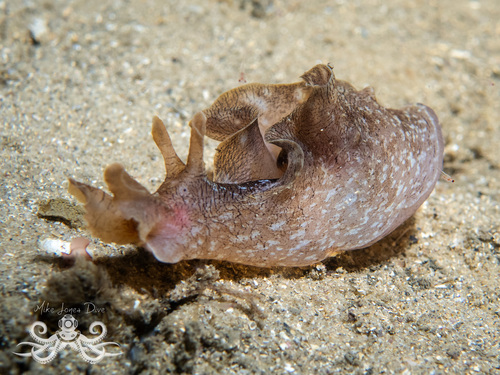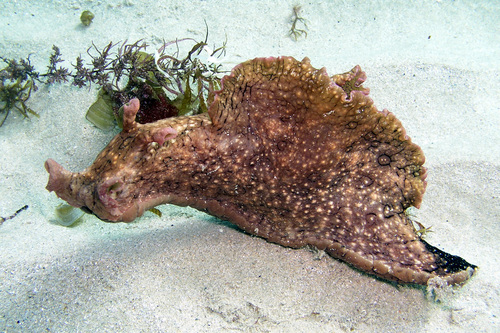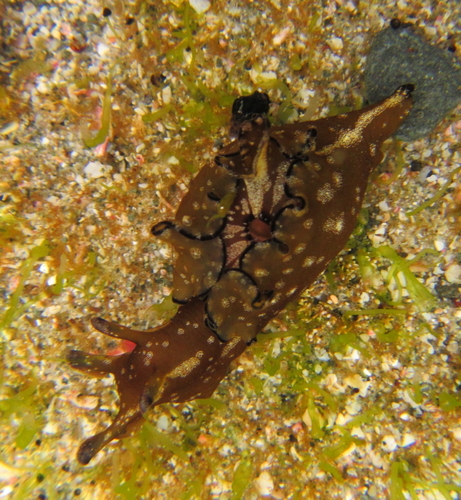
About Aplysia concava G.B.Sowerby I, 1833
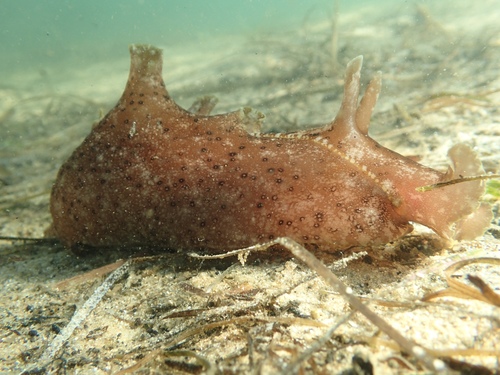
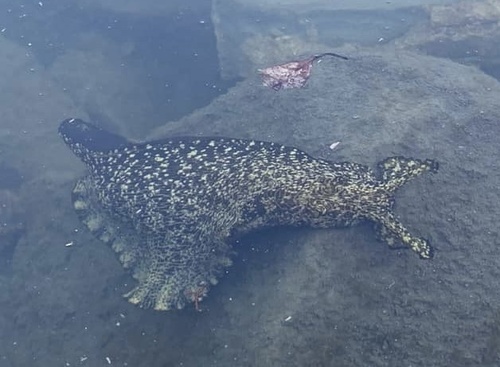
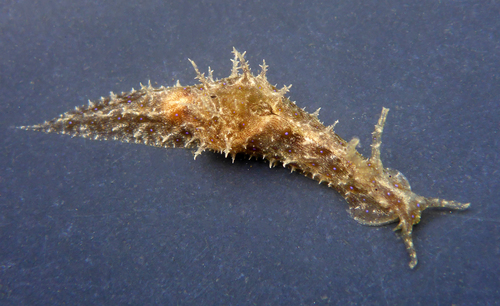
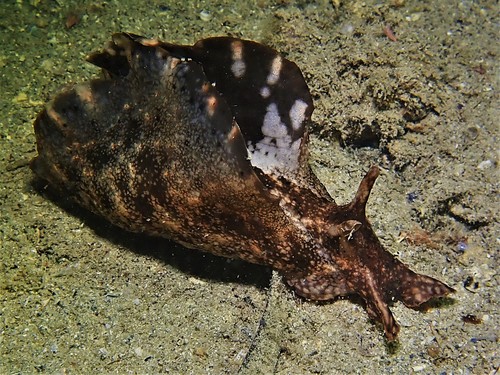
The accepted scientific name of this species is Aplysia concava G.B.Sowerby I, 1833, originally described under the synonym Aplysia norfolkensis. Adults of this species can reach a maximum length of 75 millimeters. Its shell is thin, horny in texture, and brown in color. The shell has an arched, ventricose, obliquely subovate shape, with a completely smooth surface. The apex of the shell is elevated and rounded, and bears a posterior ear-like projection called an auriculation. The upper margin of the shell is sloped and excavated. The outer lip is moderately convex, while the lower margin of the shell is rounded. The dorsal margin is arched and rounded; it is thinly reflected near the apex, and slopes obliquely toward the lower end of the shell. This species is distributed in waters off New Zealand and in the Australian portion of the Tasman Sea.