About Aphrissa statira (Cramer, 1777)
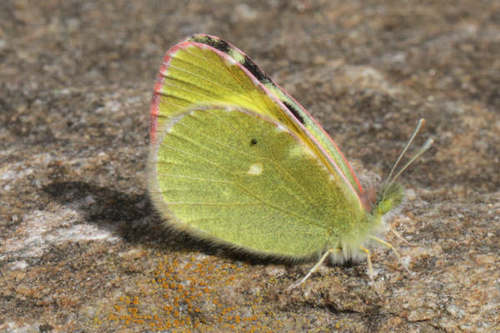
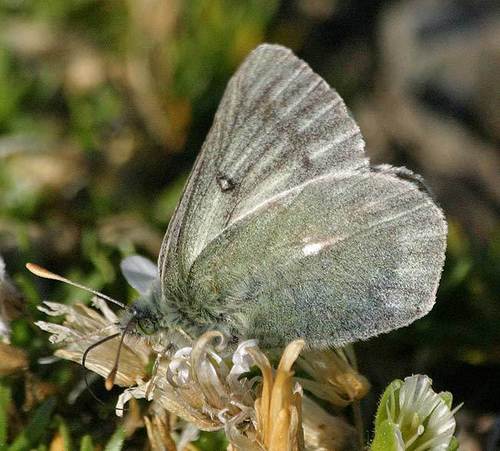
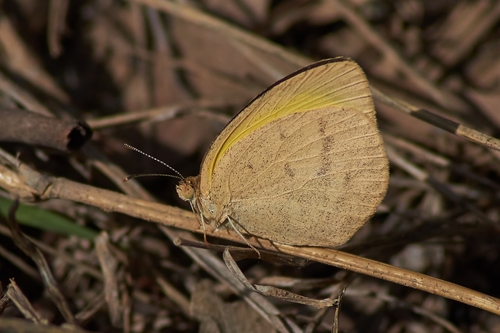
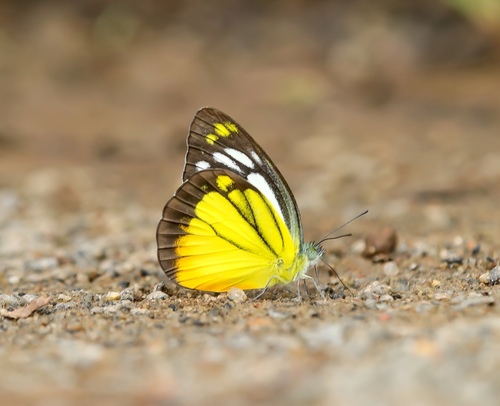
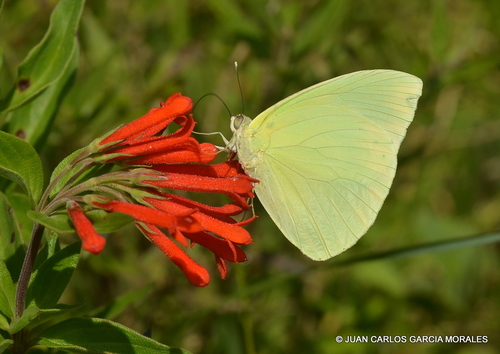
Aphrissa statira, first described by Cramer in 1777, has a wingspan ranging from approximately 2.37 inches (6.0 cm) to 3.12 inches (7.9 cm). Due to their yellow coloration, they can be hard to distinguish from cloudless sulphur butterflies while in flight. Wing color varies between individuals, with the highest amount of color variation recorded in Colombia, Central America, and Mexico. The subspecies A. statira cubana has been documented in Cuba, Jamaica, and the Cayman Islands. For both sexes, the lustrous underside of the wings is pale green or white, with extra yellow coloring along the wing edge. This species shows sexual dimorphism: males and females have different coloration on their upper wings. The geographic range of Aphrissa statira extends from Argentina northward through Central America, reaching as far north as southern Texas and Florida in the United States, and the species also occurs on nearby islands. Additional populations can be found in southern Georgia, New Mexico, and Kansas. It is especially abundant in the Amazon region. In Florida, multiple flight periods occur from June through February, and the species carries out large migrations in tropical areas. Aphrissa statira inhabits tropical scrublands, gardens, fields, and forest edges. Males are most commonly found along river edges and other open areas. Females are typically located in thinner sections of forest and along forest edges. The species often occurs in very high population densities, but it can be rarer along the outer edges of its range. Dense populations mean conservation action is generally not required for this species. When feeding on nectar from red flowers, statira sulphur act as important pollinators. For example, they help pollinate Mandevilla tenuifolia, a pink flowering herb that is exclusively pollinated by butterflies, primarily from the families Nymphalidae and Pieridae — the family that Aphrissa statira belongs to.