About Anotogaster sieboldii (Selys, 1854)
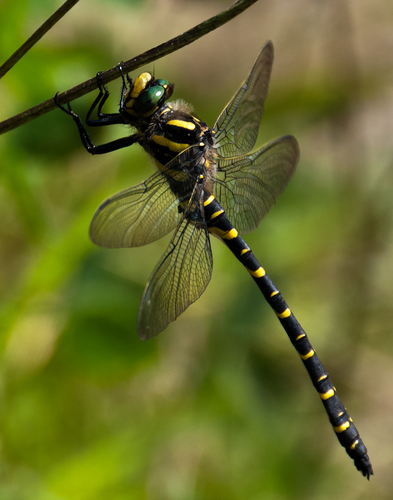
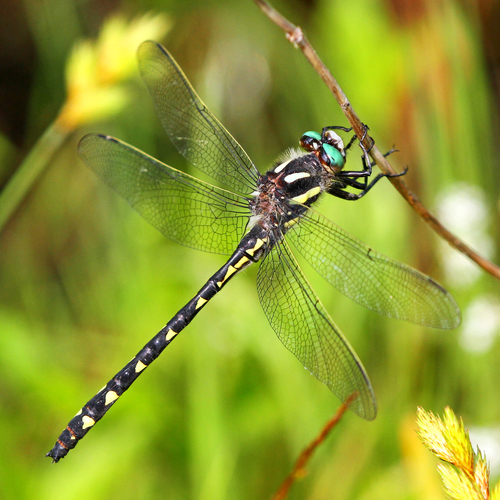
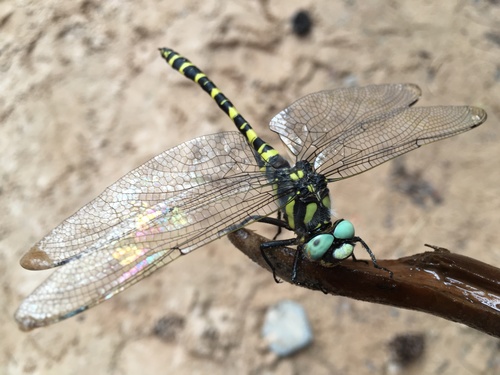
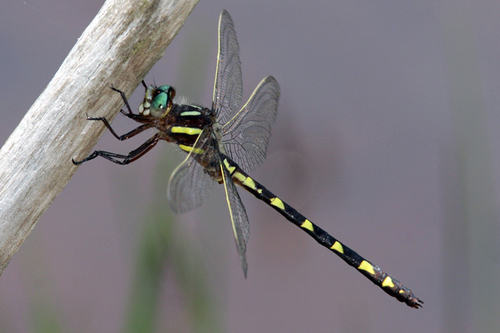
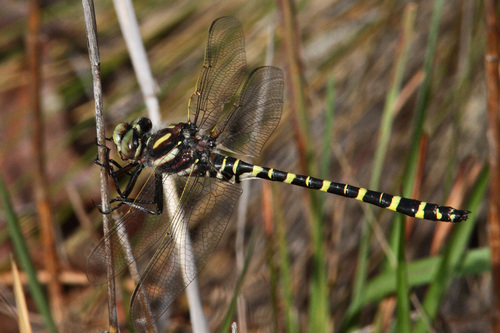
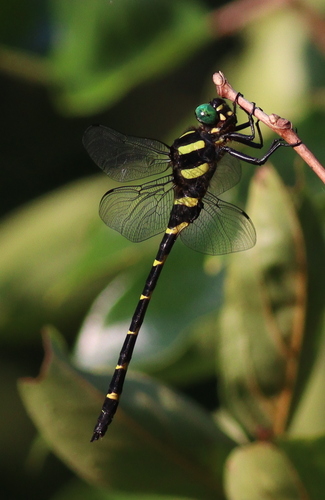
Anotogaster sieboldii (Selys, 1854), also known as the golden-ringed dragonfly, jumbo dragonfly, or Siebold's dragonfly, is called oniyanma (オニヤンマ、鬼蜻蜓、馬大頭) in Japanese, 無霸勾蜓 in Chinese, and 장수잠자리 (jang-su-jamjari, meaning 'General Dragonfly') in Korean. It is the largest dragonfly species native to Eastern Asia, found specifically in Japan, Taiwan, China, and the Korean Peninsula. Adults can reach a length between 95 and 100 millimeters. In its life cycle, eggs hatch within one month after being laid. Nymphs live for three to five years, molting up to ten times and growing up to five centimeters long. Like adult dragonflies, Anotogaster sieboldii nymphs are predatory insects. Once nymphs grow to a sufficient size, they hunt tadpoles, aquatic insects, and small fish. After metamorphosis, adult dragonflies mate and lay eggs within one to two months. Following mating, females travel to small creeks or ponds (avoiding fast-moving rivers or large lakes) to lay eggs. They sometimes fly perpendicular to the water surface to deposit their eggs in underwater mud or sand.