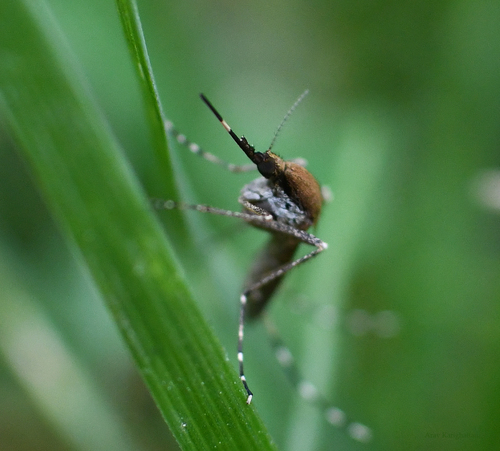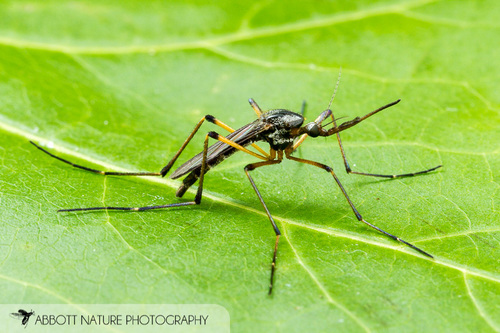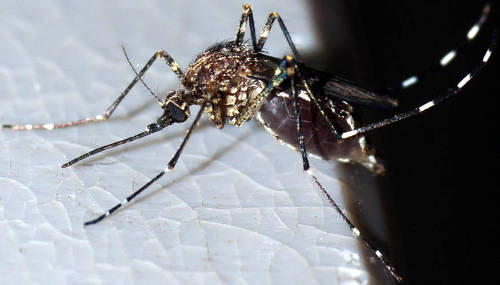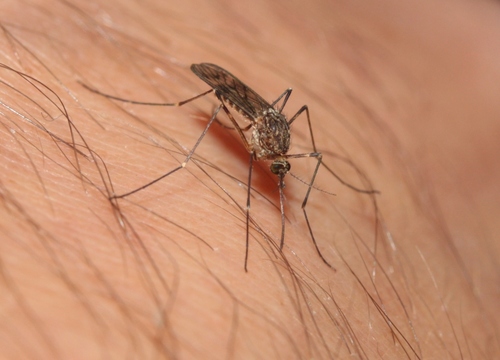
About Anopheles walkeri Theobald, 1901
Anopheles walkeri is a mosquito species that lives predominantly across the Mississippi River Valley, and its range extends north as far as southern Quebec, Canada. Females of this species lay their eggs directly on the water surface of freshwater swamp habitats. Since A. walkeri eggs cannot survive desiccation, the species is limited to water-rich swampy regions. Like many other anopheline mosquitoes, Anopheles walkeri becomes active later in the evening than most other mosquito species that share its range. It is especially active late at night when searching for a blood meal. Feeding activity is strongly influenced by environmental conditions in its microclimate. Wind, low humidity, and cool temperatures around 10 °C (50 °F) or lower all reduce feeding aggression. Anopheles walkeri has a multivoltine life cycle. It produces tough overwintering eggs that are morphologically different from more fragile summer eggs; the overwintering eggs have enlarged floats on their dorsal side. By overwintering in the egg stage, this species can complete one full larval generation before hibernating adults of other mosquito species become active. Its multivoltine life cycle allows Anopheles walkeri to be active during both the open, swampy water conditions of early spring, and later in the year after swampland grows thick with vegetation. Development from larval stages to pupation takes approximately 10 days, though the exact timing depends on temperature and water conditions. Adult Anopheles walkeri typically mate within a few hours after emerging from their pupal stage. After mating, females search for a blood meal to get the protein required for egg development. Females then rest while their eggs mature. Once eggs are fully developed, the female oviposits them, then repeats the entire cycle of feeding and egg laying for the roughly 40 days that she lives.