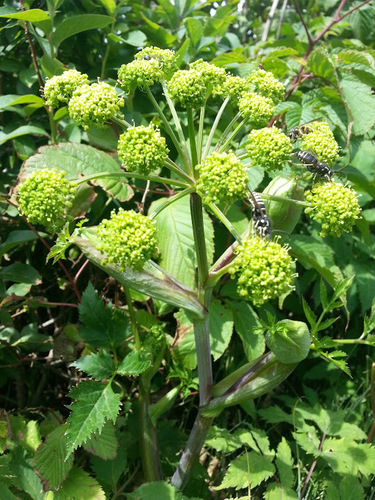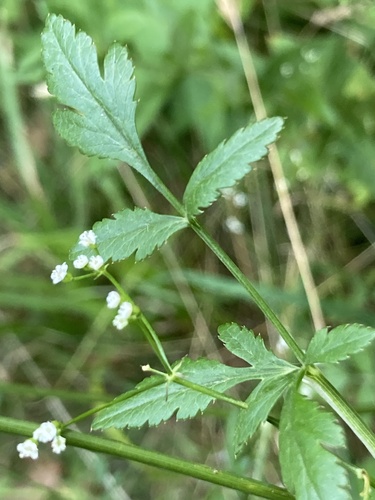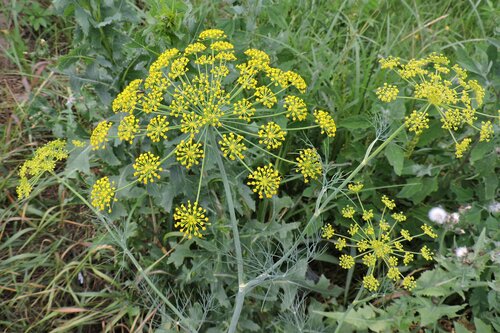
About Anethum graveolens L.
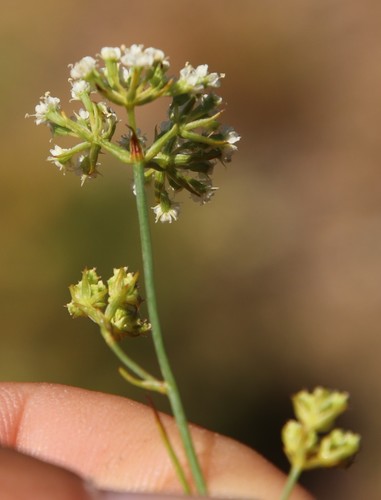
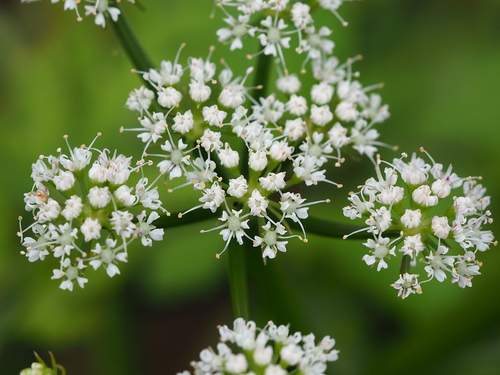
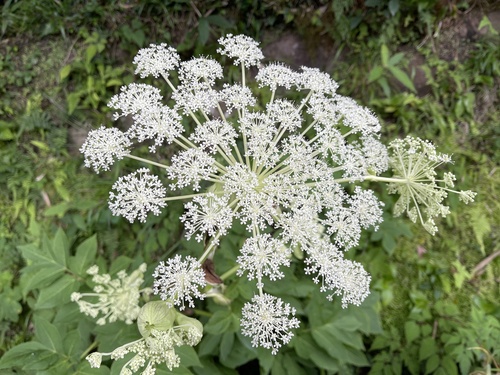
Anethum graveolens L. (dill) grows from a taproot similar to that of a carrot, and reaches 0.5–1.5 metres (1+1⁄2–5 feet) in height. It has slender, hollow stems and finely divided, soft, delicate leaves. The leaves are alternately arranged, 10–20 centimetres (4–8 inches) long, with the smallest final leaf divisions measuring 1–2 millimetres (1⁄32–3⁄32 inch) broad. This is slightly wider than the similar leaves of fennel, which are less than 1 mm (1⁄16 in) across and have a harder texture. In hot or dry conditions, small scented white to yellow flowers develop in small umbels 2.5–9 cm (1–3+1⁄2 in) across, growing from a single long stalk. The seeds are obtained from dried fruit, which is 4–5 mm (3⁄16–3⁄16 in) long and 1 mm (1⁄16 in) thick, straight to slightly curved, and has a longitudinally ridged surface.
Dill is native to North Africa, Iran, and the Arabian Peninsula.
Successful cultivation of dill needs warm to hot summers with high amounts of sunshine; even partial shade will lower the crop yield substantially. It also grows best in rich, well-drained soil. To harvest dill seeds, flower heads are cut from the stalks when the seeds start to ripen. The cut seed heads are placed upside down inside a paper bag, and left in a warm, dry location for one week. After this period, the seeds separate easily from the stems, and can be stored in an airtight container. Like its close relatives fennel and parsley, dill is often eaten by black swallowtail caterpillars in regions where the black swallowtail butterfly occurs. Because of this, dill may be included in some butterfly gardens.