About Anemopsis californica (Nutt.) Hook. & Arn.
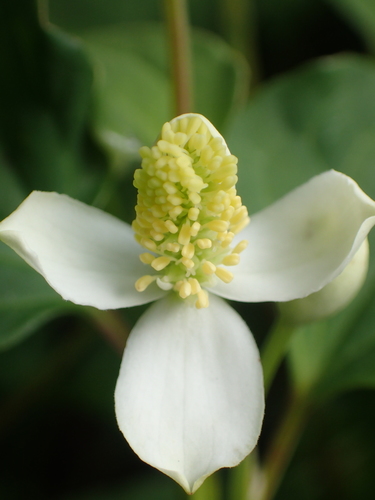
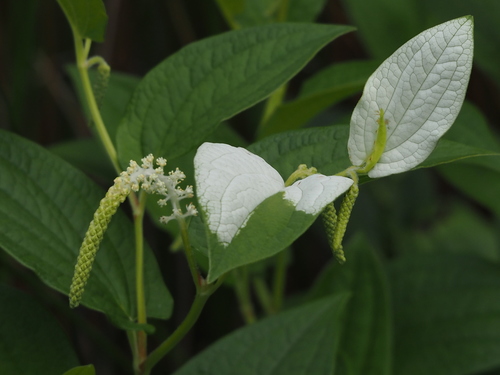
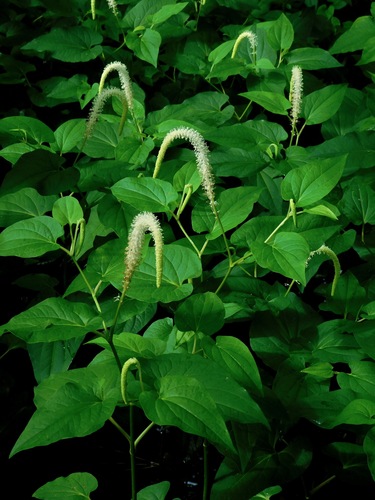
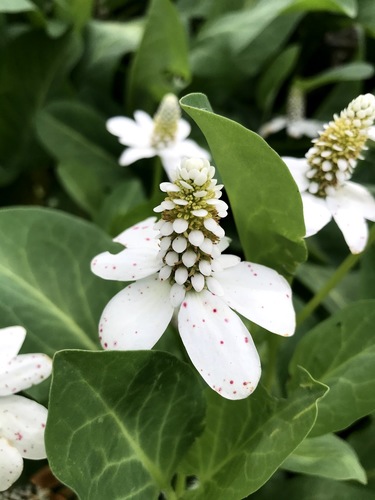
The genus Anemopsis is monotypic, meaning it contains only one species: Anemopsis californica. This species has the common names yerba mansa or lizard tail. It is a perennial herb belonging to the lizard tail family, Saururaceae, and it prefers to grow in very wet soil or shallow water. It is native to southwestern North America, specifically northwest Mexico and the Southwestern United States, ranging from California to Oklahoma, Texas, Kansas, and Oregon. It grows in wet, alkaline marsh and along creek edges. Yerba mansa is used as an antimicrobial and antibacterial, and to treat vaginal candidiasis. It is also used to treat inflammation of the mucous membranes, swollen gums, and sore throat. An infusion made from its roots can be taken as a diuretic to treat rheumatic diseases like gout, by removing excess uric acid from the body—this excess uric acid causes painful inflammation of the joints. Yerba mansa also prevents the buildup of uric acid crystals in the kidneys, which would cause kidney stones if left untreated. Powder made from dried yerba mansa root can be sprinkled on infected areas to ease athlete's foot or diaper rash. Yerba mansa can be prepared and used in multiple ways. It can be consumed orally as a tea, tincture, infusion, or dried in capsule form. It can be used externally for soaking inflamed or infected areas, or ground and used as a dusting powder. Some people in Las Cruces, New Mexico use the leaves to make a poultice to relieve muscle swelling and inflammation. The leaves and roots have also been used to heal and disinfect wounds and sores. Yerba mansa is called the midwife's panacea. The Good Book of Alice the Midwife describes the striking symmetry of benefits between this sub-tropic wetland plant, its riparian ecology, and microbiome diversity.