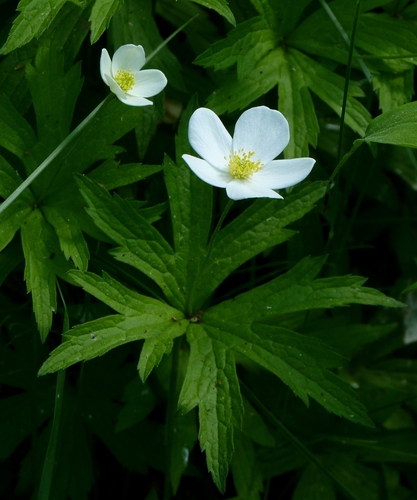
Anemonastrum canadense (L.) Mosyakin is a plant in the Ranunculaceae family, order Ranunculales, kingdom Plantae. Toxic/Poisonous.

Photo of Anemonastrum canadense (L.) Mosyakin (Anemonastrum canadense (L.) Mosyakin)
๐ŸŒฟ Plantae โš ๏ธ Poisonous

Anemonastrum canadense (L.) Mosyakin

Anemonastrum canadense (L.) Mosyakin

Anemonastrum canadense (Canada anemone) is a North American native flowering plant with medicinal uses and probable irritating toxins.

Family
Genus
Anemonastrum
Order
Ranunculales
Class
Magnoliopsida

โš ๏ธ Is Anemonastrum canadense (L.) Mosyakin Poisonous?

Yes, Anemonastrum canadense (L.) Mosyakin (Anemonastrum canadense (L.) Mosyakin) is classified as poisonous or toxic. Toxicity risk detected (mainly via ingestion); avoid direct contact and ingestion. Never consume or handle this species without proper identification by an expert.

About Anemonastrum canadense (L.) Mosyakin

Anemonastrum canadense, commonly called Canada anemone, grows from ascending caudices attached to long, thin rhizomes. Its leafy shoots reach 20โ€“80 cm (8โ€“31 inches) in height. Basal leaves have deeply divided, toothed blades and sit on 8โ€“22 cm (3+1โ„4โ€“8+3โ„4 inch) petioles; leaf blades measure 4โ€“10 cm (1+1โ„2โ€“4 inches) by 5โ€“15 cm (2โ€“6 inches). Flowers bloom from late spring to summer on stems rising above a cluster of leaves. Each flower has approximately 5 white, petal-like sepals and 80 to 100 yellow stamens. The obovate sepals, which have a slightly tapered base, measure 10โ€“20 mm (1โ„2โ€“3โ„4 inch) by 5โ€“15 mm (1โ„4โ€“5โ„8 inch). After pollination, the green pistils at the center of the flower develop into a rounded to slightly elongated seed head. The seeds are achenes with an almost rounded body and a distinct beak. This species is native to Canada, and to west central and eastern regions of the United States. Like most anemones, it likely contains caustic irritants similar to other members of the buttercup family Ranunculaceae. North American Indigenous peoples used Anemonastrum canadense medicinally: it was employed as an astringent, as a styptic to treat wounds, sores, and nosebleeds, and also used as an eyewash. Plains tribes valued the root of this plant and used it to treat a wide range of ailments.
Common Names

meadow anemone (und) Canada anemone (und)

Photo: (c) Dendroica cerulea, some rights reserved (CC BY) ยท cc-by

Taxonomy

Plantae โ€บ Tracheophyta โ€บ Magnoliopsida โ€บ Ranunculales โ€บ Ranunculaceae โ€บ Anemonastrum
โš ๏ธ View all poisonous species โ†’

More from Ranunculaceae

Sources: GBIF, iNaturalist, Wikipedia, NCBI Taxonomy ยท Disclaimer

Identify Anemonastrum canadense (L.) Mosyakin instantly โ€” even offline

iNature uses on-device AI to identify plants, animals, fungi and more. No internet needed.

Download iNature โ€” Free

Start Exploring Nature Today

Download iNature for free. 10 identifications on us. No account needed. No credit card required.

Download Free on App Store