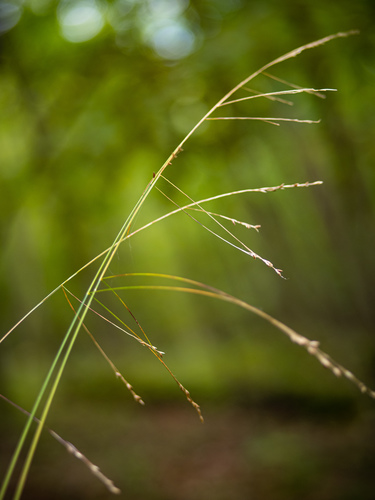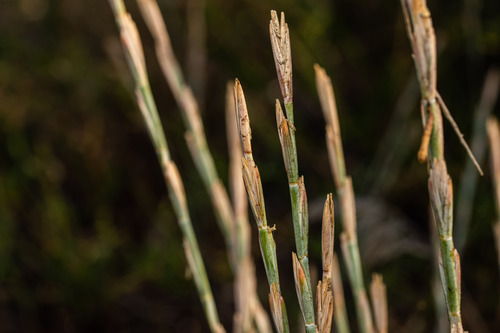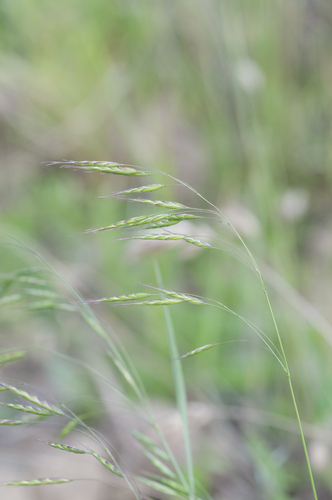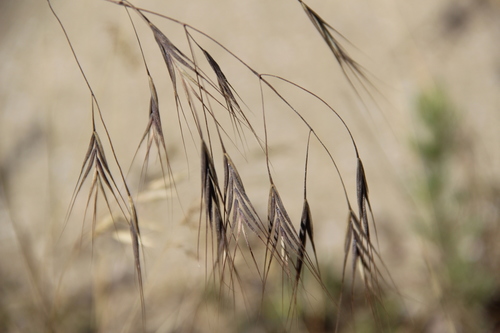
About Andropogon glomeratus (Walter) Britton, Sterns & Poggenb.
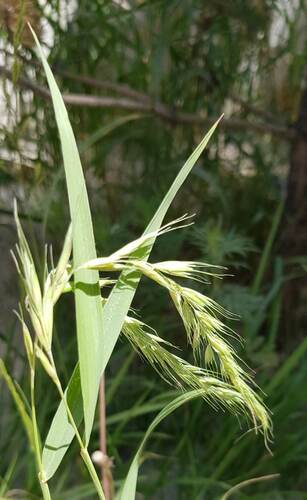
This grass, Andropogon glomeratus, reaches heights close to 2 meters (6 feet), and produces large, fluffy cream-colored inflorescences. Each dense, tufted inflorescence holds several pairs of hairy spikelets. Its leaves can grow to over 1 meter in length; they are typically blue-green during summer, and turn coppery-red in the fall. This plant grows best in moist soils, and occurs naturally in habitats including swamps, wet savannas, pine flatwoods, bogs, and fens. It prefers full sun, and is best suited to USDA hardiness zones 5 through 9. It is cultivated as an ornamental grass. This species also has the potential to be a noxious weed, and spreads easily through seed contamination. It has been officially classified as a weed in Puerto Rico, and classified as a potentially invasive weed in Mexico. Songbirds and small mammals eat its seeds, and the larvae of some butterfly species feed on the plant.