About Andropogon gayanus Kunth
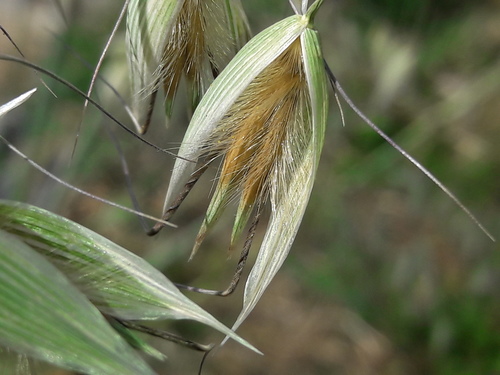
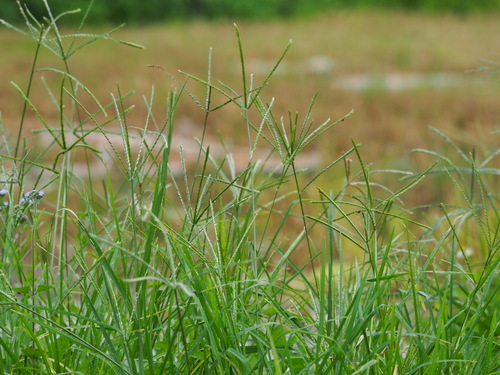
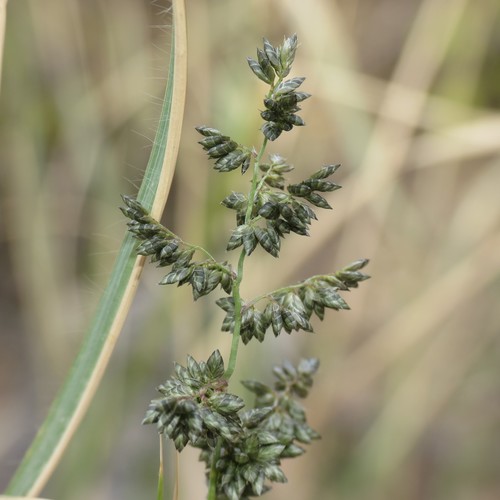
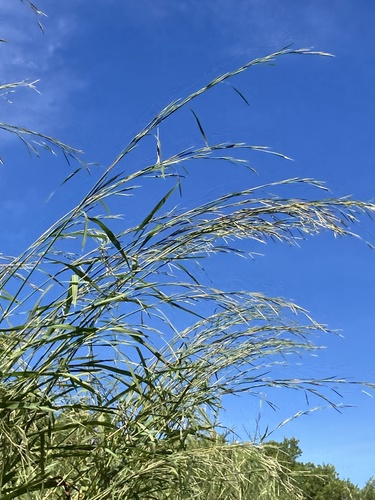
Andropogon gayanus Kunth is a tufting perennial bunchgrass. It can reach 4 meters (13 feet) in height and 70 centimeters (2.3 feet) in diameter, and has hairy leaves. Most of its roots are fibrous, spreading close to the soil surface for up to 1 meter (3 feet 3 inches). It also has thick cord roots that store starch and anchor the plant, plus vertical roots that can extract water from greater depths during the dry season.
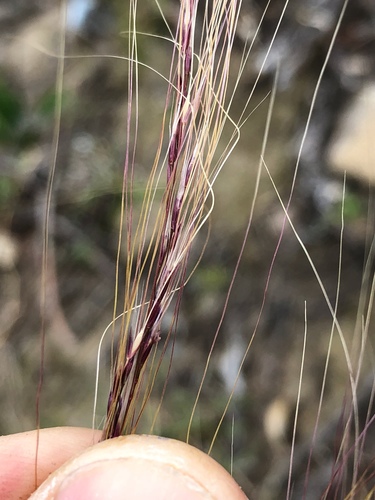
This grass produces large quantities of light, fluffy seeds: an individual plant can produce up to 244,000 seeds per year, with 65% viability. These seeds can be spread by wind, animals, or machinery. Most seeds land within 5 meters (16 feet) of the parent plant, but it spreads rapidly in disturbed vegetation.
Andropogon gayanus is native to most tropical and subtropical African savannas, and its range extends south into Mozambique, Botswana, Namibia, and South Africa, in areas that have long dry seasons. It naturally grows in xerophytic grasslands on doleritic, sandy, or clay soils, at altitudes up to 1,500 meters (4,900 feet). It is highly drought-tolerant, but does not grow well where mean minimum temperatures drop below 4.4 degrees Celsius, and is not frost-tolerant. It has been introduced globally as a pasture crop to Australia and Brazil.
It has been introduced as a pasture crop to many regions worldwide, including Australia and tropical countries of the Americas, and has become naturalized in Brazil. It was also introduced to Nigeria to reclaim overgrazed land. Strips of this grass are planted in millet fields to reduce wind erosion of soil. In some African countries, its stems are used as thatch and for making pens.