About Ancylomenes magnificus (Bruce, 1979)
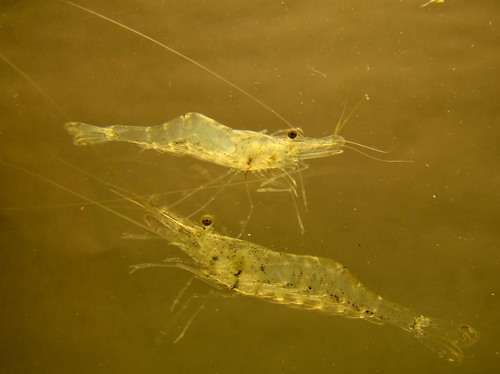
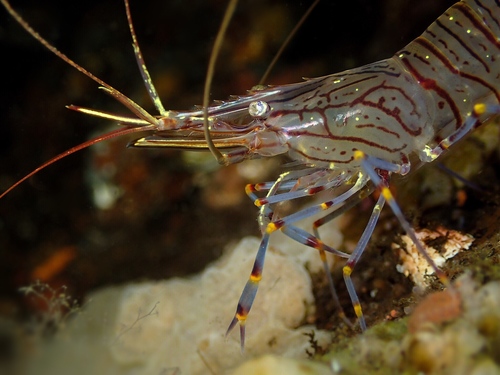
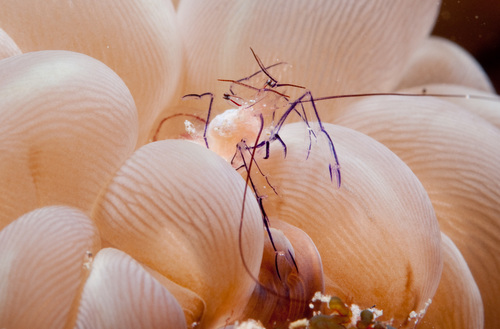
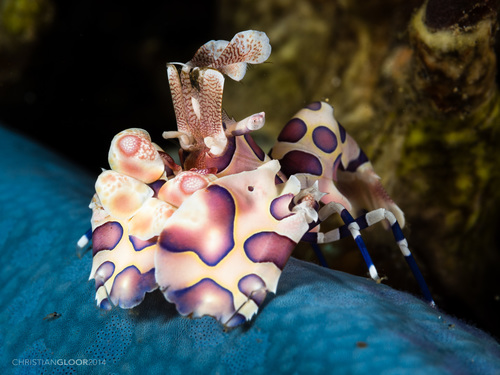
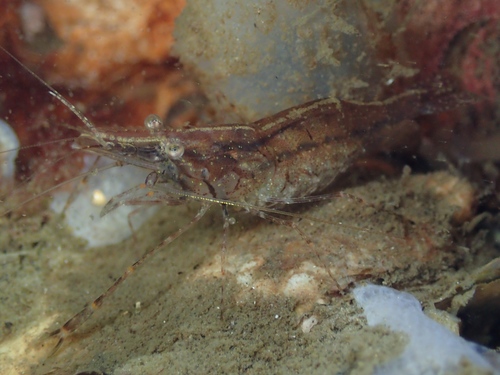
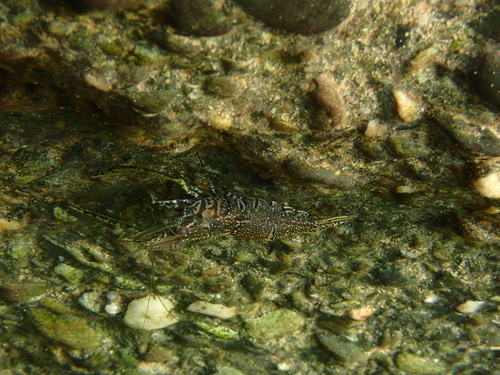
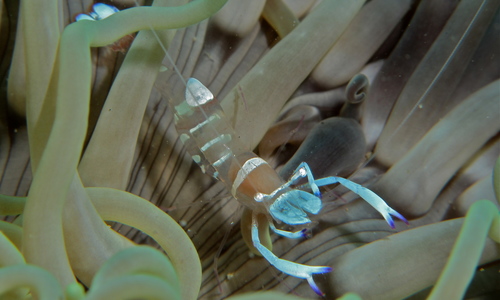
As an arthropod, Ancylomenes magnificus is segmented and bilaterally symmetrical. Like other arthropods, this shrimp has a hard external chitinous exoskeleton that it sheds periodically through a process called ecdysis. Its body is compressed, and consists of a combined head and thorax called the cephalothorax, attached to an elongated abdomen. It has five pairs of walking legs (pereiopods), two pairs of antennae, one mandible, and three pairs of maxillipeds. Most individuals have a mostly transparent body. The carapace and abdominal segments feature bands of white specks outlined in red, while the tail and the abdominal hump are solid white. This species reaches a maximum adult size of 2.5 cm (1 inch). Like other palaemonid shrimp, Ancylomenes magnificus is a gonochoric species, meaning individuals are either male or female throughout their lives. After a female molts, her new exoskeleton is temporarily soft. During this window, a male transfers a spermatophore to the female's exoskeleton. The female then produces a large clutch of eggs, which she carries beneath her abdomen until they hatch. Eggs hatch into larvae, which go through a series of developmental transformations to reach adulthood. As a cleaner shrimp in the infraorder Caridea, Ancylomenes magnificus forms symbiotic relationships with other marine organisms including sponges, cnidarians, mollusks, and fish. Most of these relationships are mutualistic: the cleaner shrimp provides cleaning services and excretes nitrogen that its host can use, while the host gives the shrimp protection from predators and sometimes a source of food. Because this relatively small species is vulnerable to predation when living alone, individuals depend on host organisms such as sea anemones or stony corals to survive.