About Anasterias antarctica (Lütken, 1857)
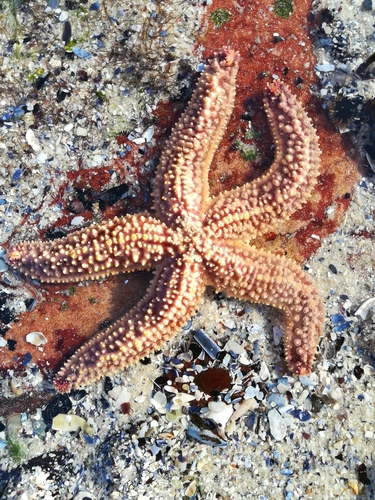
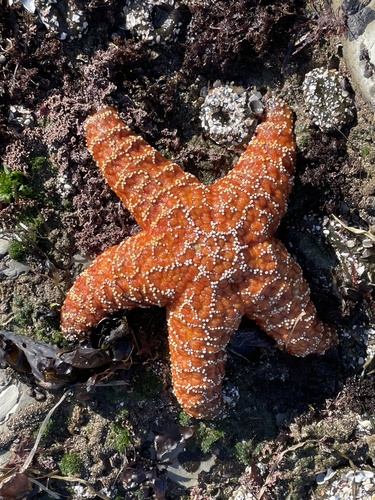
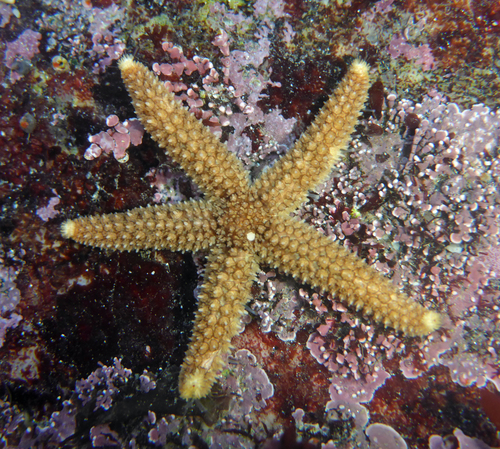
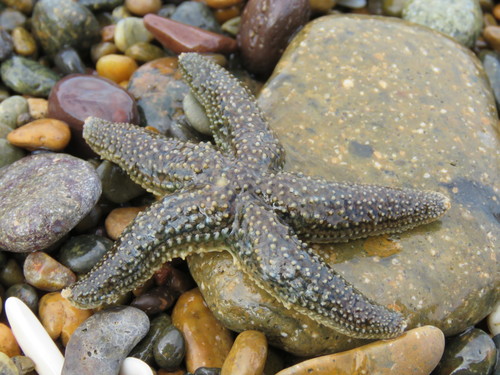
Anasterias antarctica is a starfish species with a maximum arm length of 96 mm (3.8 in). This species is found in the Southern Ocean and the waters surrounding Antarctica. It is native to Argentina, the Falkland Islands, southern Chile, and multiple islands within the Southern Ocean. It occurs at depths ranging from the intertidal zone down to approximately 190 m (600 ft). Its typical habitat includes areas with rocks, boulders, and pebbles, as well as giant kelp forests. Anasterias antarctica acts as both a predator and a scavenger. Its diet includes sphaeromatid isopods, gastropod molluscs of the genus Pareuthria, bivalve molluscs, chitons, and barnacles. Larger individual starfish of this species consume larger prey items. It is the dominant predator in the tidal and shallow subtidal zones of the Falkland Islands. A study of the giant kelp (Macrocystis pyrifera) associated community in the Beagle Channel found that A. antarctica occupies the top trophic level in this community, feeding on herbivores that graze on the seaweed, filter feeders, other predators in the community, and detritivores. Breeding for this species occurs between March and July. The parent broods the developing embryos. Fecundity ranges from 52 to 363 eggs, and the highest proportion of brooding females is observed during May and June. Adult starfish feed most intensely before and after the brooding period, and fast while actively brooding. However, adults brooding a small number of embryos will sometimes feed while brooding. Juveniles are released between September and November; larger juveniles depart first, while smaller juveniles remain with the parent longer. A 2 mm (0.08 in) juvenile will grow to approximately 10 mm (0.4 in) over one year. This species exhibits some seasonal vertical migration. Larger individuals are found at greater depths, and smaller individuals are rarely found deeper than 10 m (33 ft) during winter.