About Anas luzonica Fraser, 1839
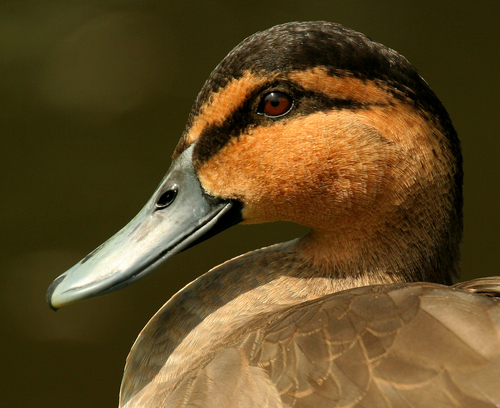
The Philippine duck (Anas luzonica Fraser, 1839) is a large, noticeable duck. It has a black crown, nape, and eye stripe, paired with a cinnamon-colored head and neck. The remainder of its body is greyish brown, with a bright green speculum. Its legs are greyish brown, and its bill is bluish-grey. Females are somewhat smaller than males, but are otherwise identical in appearance. This duck species has been recorded inhabiting all major Philippine islands and 8 minor islands, but most sightings since the 1980s have occurred on Luzon and Mindanao. Long-distance vagrant individuals have been spotted in Okinawa and Taiwan. It can be found in all types of wetlands within its range, and its preferred habitat is shallow freshwater marshland. The Philippine duck’s diet consists of plants, rice, molluscs, and crustaceans, and it has also been reported to feed on fish, frogs, and insects. It is considered a farm pest, as it is said to damage newly sown fields and germinating seeds. This species is more active during early morning, evening, and bright moonlit nights. It is typically seen in pairs or small groups, though flocks of up to 2,000 individuals have been recorded; flocks may have been even larger before the species faced heavy hunting. It associates with other duck species, including the Wandering whistling duck, Garganey, Northern shoveler, Eurasian wigeon, and Tufted duck. Little is known about the breeding habits of this species in the wild. Nests that have been found were well concealed, and held 10 eggs. The breeding season is thought to run from March to November, with a peak from July to August. Incubation lasts 25 to 27 days, and only the female incubates the eggs. Fledging occurs at around 8 weeks old.