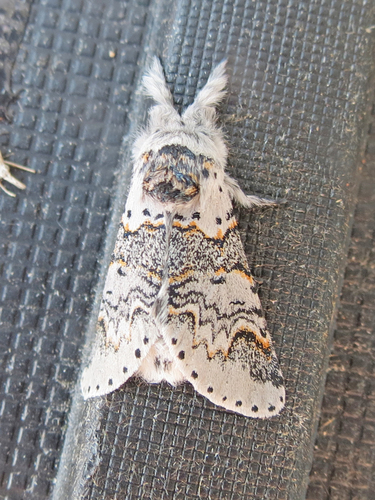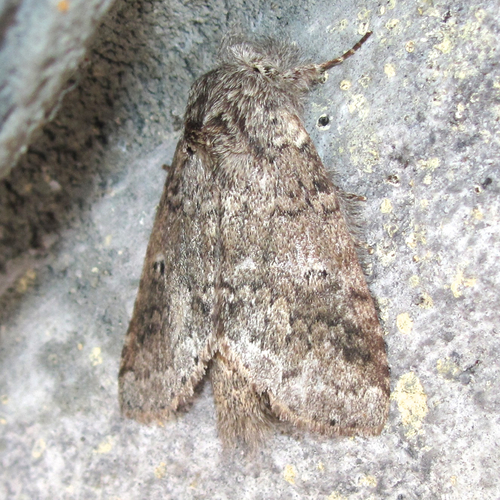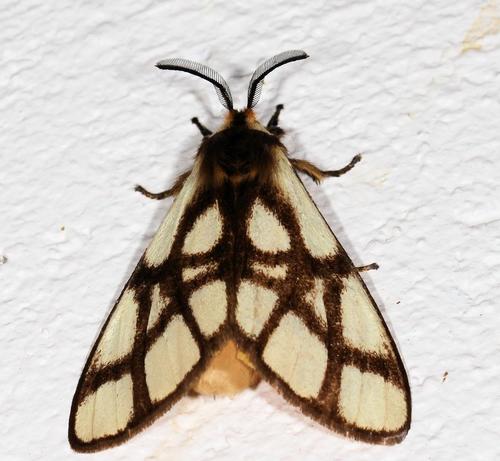
About Anaphe reticulata Walker, 1855
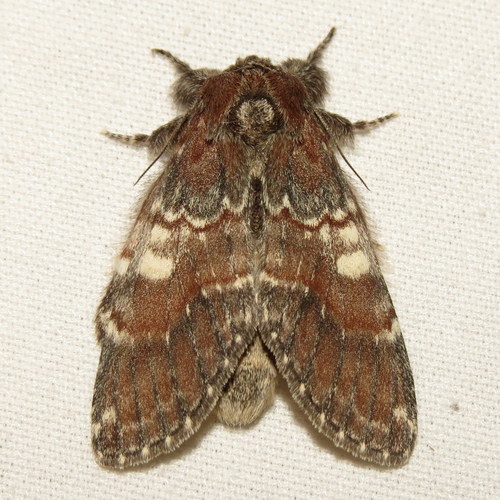
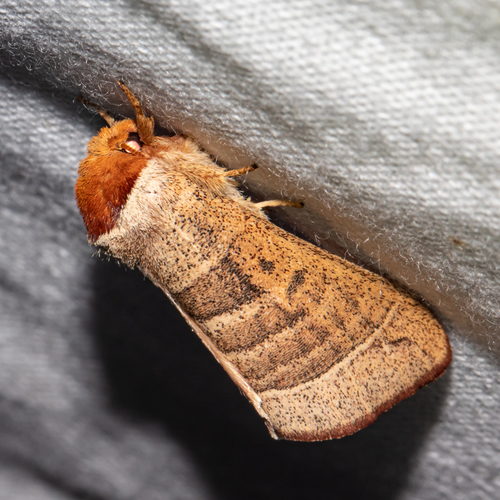
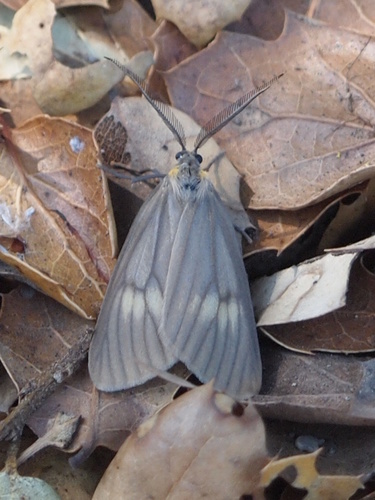
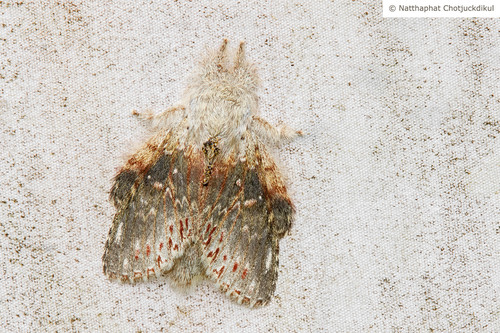
Anaphe reticulata, commonly known as the reticulate bagnest or reticulate bagnet, is a moth belonging to the family Notodontidae. This species is native to savannah habitats across sub-Saharan Africa. It was first described by Francis Walker in 1855. Confirmed records of this moth come from Angola, Eritrea, Ivory Coast, Malawi, Mozambique and South Africa. In southern Africa, the species is classified as common and widespread. Anaphe panda shares a similar appearance and habits with Anaphe reticulata. This moth produces two generations per year. In southern Africa, its gregarious foliage-eating caterpillars can be observed from January to March, and a second generation occurs from April to June. These caterpillars are hirsute, olive green, and easily visible on the branches and leaves of their food plants. They can also be seen moving in single file along the ground or up the stems of woody plants. It is claimed that the abundant hairs on these caterpillars cause a skin rash if the caterpillars are touched. Recorded host plants for the caterpillars include Dombeya and Diplorhynchus condylocarpon in Zimbabwe, as well as Dombeya rotundifolia, Grewia bicolor, Grewia flavescens and Pappea capensis in Mpumalanga and Limpopo, South Africa.