About Amorphophallus konjac K.Koch
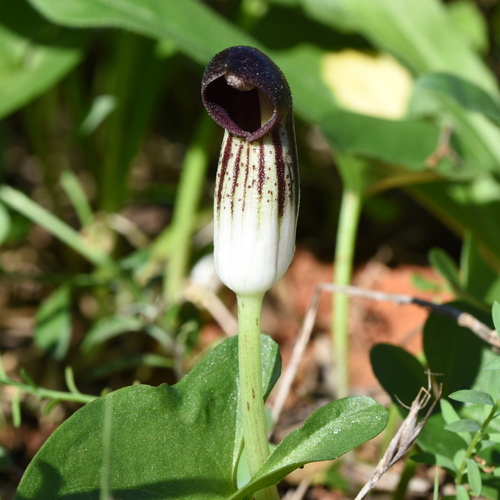
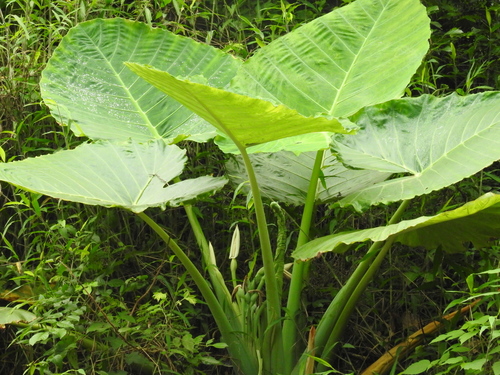
Amorphophallus konjac K.Koch, commonly called konjac, is a perennial plant that grows from a large corm reaching up to 25 cm (10 in) in diameter. It produces a single bipinnate leaf that can grow up to 1.3 m (4 ft) across, and this leaf is divided into many leaflets. Its flowers grow on a spathe enclosed by a dark purple spadix that reaches up to 55 cm (22 in) in length. This species is a congener, or close relative, of the titan arum Amorphophallus titanum, which is one of the largest flowering plants in the world. Wild konjac grows naturally in southwestern China, specifically Yunnan, and across Southeast Asia. Konjac is cultivated in warm subtropical to tropical regions of East and Southeast Asia, ranging from China and Japan southward to Indonesia and Vietnam, and it grows in USDA hardiness zones 6–11. It is highly valued for its large starchy corms, which are processed to make konjac flour and konjac jelly. It also serves as a common vegan substitute for gelatin. The dried corm of konjac contains approximately 40% glucomannan gum, a polysaccharide that gives konjac jelly its viscous texture, and this product may be used in traditional Chinese medicine. Konjac is also used to make facial massage accessories, most notably the popular konjac sponge. These sponges are especially popular in Korea and are growing in popularity in the West; they are unique because they can be used on sensitive skin that easily becomes irritated when exposed to more common exfoliating tools like loofahs or washcloths. Konjac is also used in formulating drugs and medical devices, including oral colon-targeting drug delivery systems (OCDDS) that deliver medication directly to the colon. In traditional Japanese hand papermaking, konnyaku (konjac) adds strength to paper that allows it to withstand dyeing, rubbing, folding, and other manipulations such as those used in the momigami process. Shirataki noodles made from konjac have grown in popularity in the United States due to their low carbohydrate content.