About Alpinia zerumbet (Pers.) B.L.Burtt & R.M.Sm.
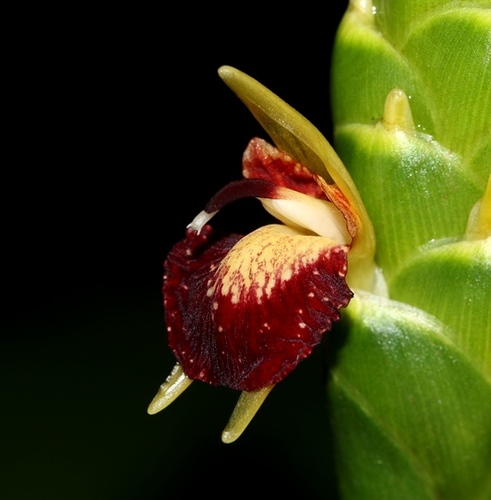
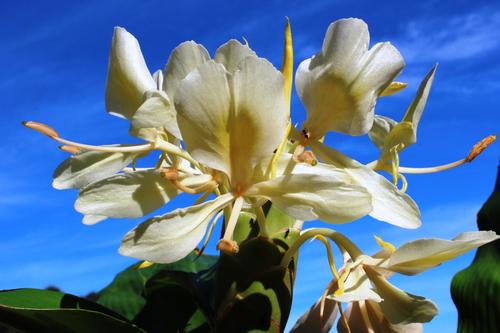
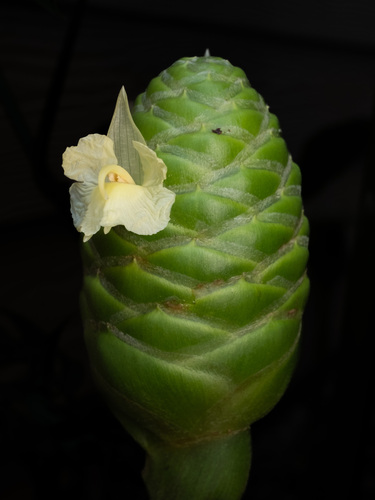
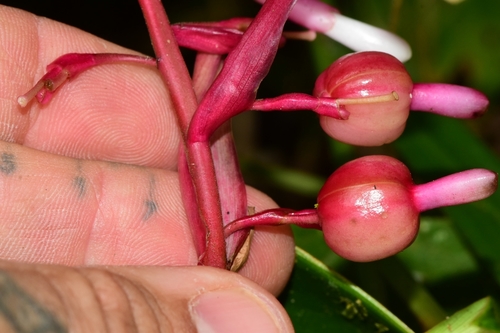
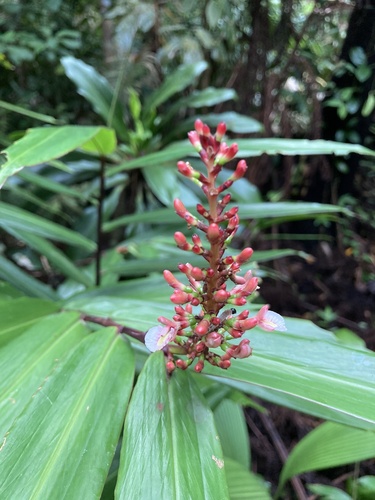
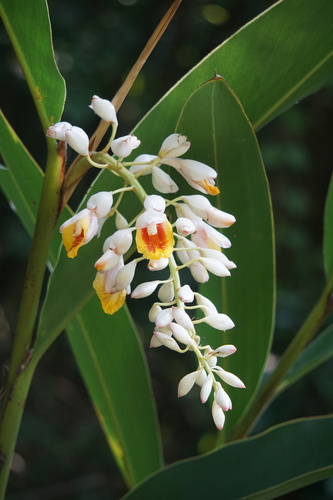
Alpinia zerumbet (Pers.) B.L.Burtt & R.M.Sm. is a rhizomatous, evergreen tropical perennial plant native to eastern Asia. In tropical climates, it grows in upright clumps that reach 8 to 10 ft (2.4 to 3.0 m) tall. This species produces funnel-shaped flowers, which have white or pink perianths, and yellow labella marked with red spots and stripes. It has three stamens, but only one produces pollen, and it has a single pistil. Its fruit is globose and marked with many striations. Under more typical indoor growing conditions, it reaches 4 to 8 ft (1.2 to 2.4 m) tall when grown in a greenhouse, and only 3 to 4 ft (0.91 to 1.22 m) tall when grown as a house plant. Originally, this species was named Alpinia speciosa, a scientific name that was also used for torch ginger. To resolve this naming confusion, this species was renamed A. zerumbet, while torch ginger was reclassified into the genus Etlingera. No species is currently accepted under the name A. speciosa.
For cultivation, Alpinia zerumbet grows best in rich, medium-wet to wet, well-drained soils, in locations with full sun to part shade. Afternoon shade is recommended for the plant when grown in climates with hot summers. When grown indoors, it requires bright light and humid conditions. Flowering rarely occurs before the plant's second year of growth.
The long leaf blades of A. zerumbet are used to wrap zongzi, a traditional Chinese dish of rice stuffed with various fillings. In Okinawa, Japan, leaves of this plant are sold to make herbal tea, and are also used to flavor noodles and wrap muchi rice cakes. In Sichuan Mandarin Chinese, the dried fruits of this plant are called shārén (沙仁), and are used as one of many medicinal spice ingredients in Sichuan hot pot soup base. Statistically, native Okinawans who follow a traditional diet that includes A. zerumbet have very long life expectancies. Recent research has investigated the effects of this plant on human longevity, as well as the phytochemicals that may be responsible for any related effects. A. zerumbet contains many kavalactones that are structurally related to the compounds found in kava (Piper methysticum), and it may help prevent high glucose-induced cell damage in human umbilical vein endothelial cells.