About Aloysia citrodora Paláu
Scientific name: Aloysia citrodora Paláu
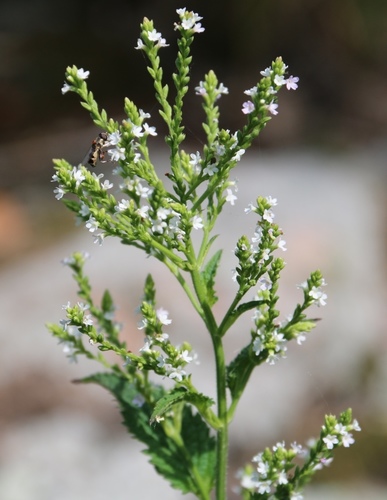
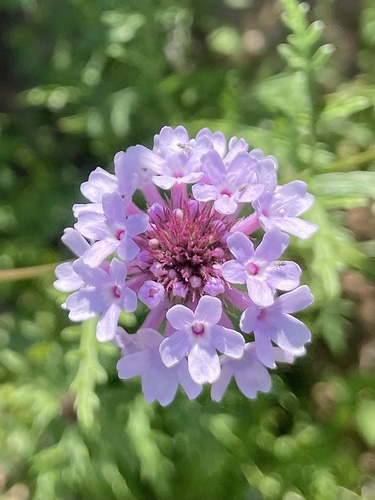
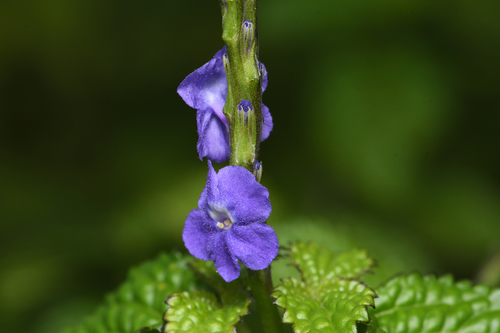
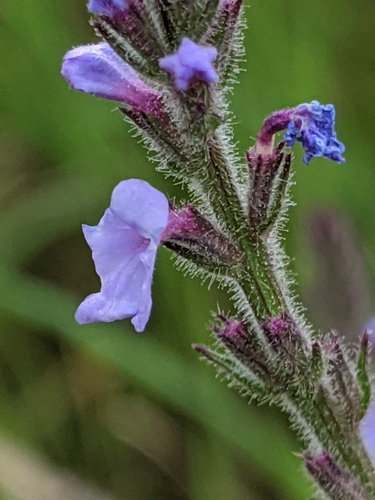
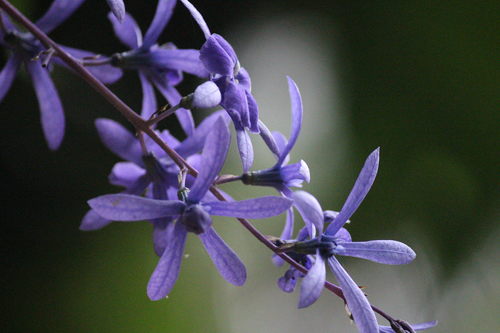
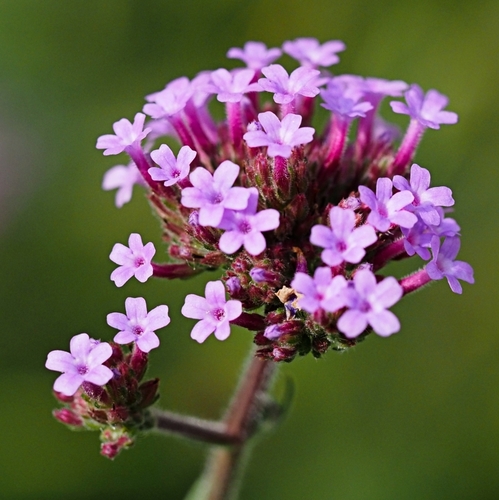
Lemon verbena is a perennial shrub or subshrub that reaches 2–3 metres (7–10 ft) in height. Its leaves grow up to 8 centimetres (3 in) long; they are glossy, pointed, slightly rough to the touch, and release a strong lemon scent when bruised. This characteristic gives the species its Latin specific epithet citrodora, meaning lemon-scented. Clusters of tiny purple or white flowers bloom in late spring or early summer, though potted lemon verbena plants often do not produce flowers. It remains evergreen in tropical regions, but is sensitive to cold. Leaves drop when temperatures fall below 0 °C (32 °F), while the woody parts of the plant can survive temperatures as low as −10 °C (14 °F). Spring pruning is recommended to encourage the plant to grow into a bushy shape. Because of its many culinary uses, it is widely promoted and sold as a plant suited for herb gardens. Researchers have observed anxiolytic effects in rat study models.
Lemon verbena leaves are used to add lemon flavor to fish and poultry dishes, vegetable marinades, salad dressings, jams, puddings, Greek yogurt, and beverages. The leaves are also added to potpourri. The plant is used to make herbal teas, and acts as a flavoring for liqueurs. It is used in traditional medicine across Latin American countries. Historically, essential oil was steam-distilled from its leaves for use in the perfume industry, but the oil has skin-sensitising and phototoxic properties. Under European Union Regulation No. 1223/2009 Annex II, verbena essential oils (from Lippia citriodora Kunth.) and their derivatives other than absolute are banned for use as fragrance ingredients.