About Alosa sapidissima (Wilson, 1811)
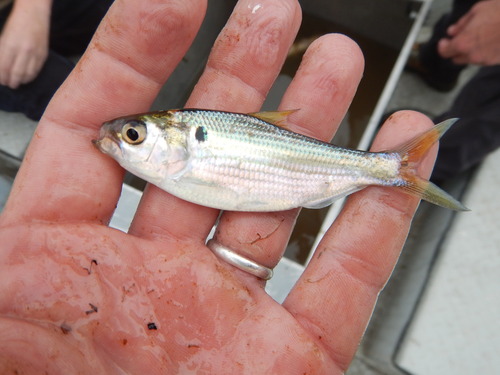
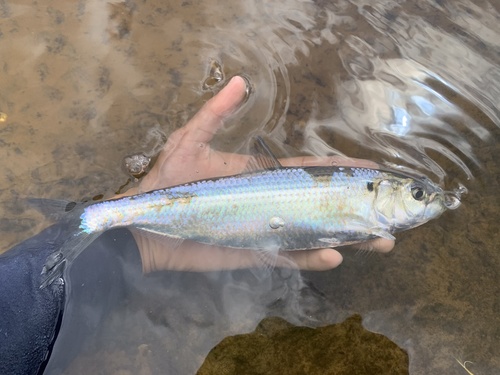
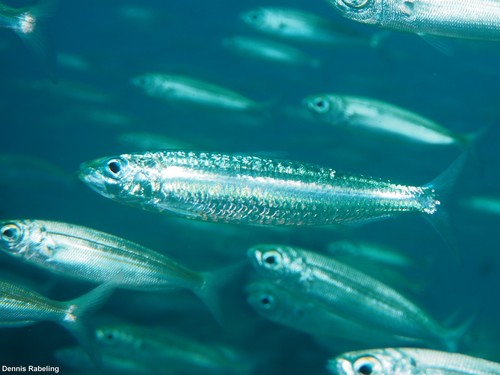
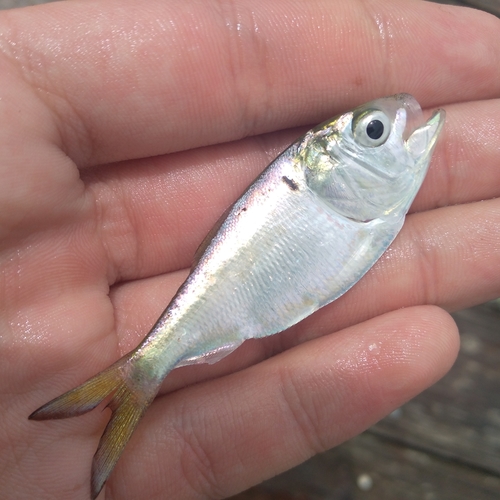
Alosa sapidissima (Wilson, 1811), commonly called the American shad, is an anadromous clupeid fish species. Its natural range is the North Atlantic coast of North America, stretching from Newfoundland to Florida; it has also been introduced to the North Pacific coast. This species is not closely related to other North American shad. Instead, it appears to belong to a lineage that split from the common ancestor of European Alosa taxa before those taxa diversified. American shad has been called "the fish that fed the (American) nation's founders". Adult American shad weigh 1.5 to 3.5 kg (3 to 8 lb), and their cooked flesh has a delicate flavor. The flavor is considered distinct enough that it does not need added sauces, herbs, or spices. It can be prepared by boiling, baking, or by filleting and frying in butter. By tradition, a small amount of vinegar is sprinkled on the cooked fish before serving. In the Eastern United States, female roe-bearing shad (called roe shads) are highly valued, as their eggs are considered a delicacy. The common name "shad" comes from the Old English word sceadd, which means herring; it is a cognate of the words for herring in Irish, Welsh, and Scottish Gaelic. As adults, American shad are filter feeders while they are at sea and during their spawning return migration. Their main predators are striped bass, and harbor seals may also hunt them at times. American shad often do not actively feed during their upstream spawning migration, so they are typically caught using special "dart" lures rather than standard fishing bait.