About Alnus acuminata Kunth
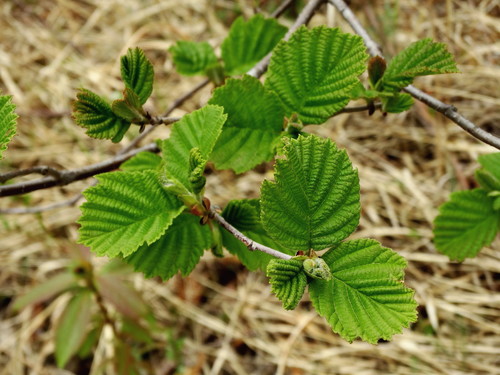
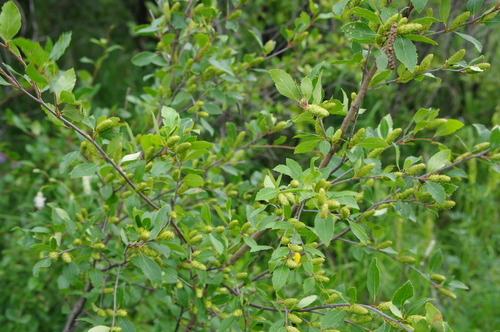
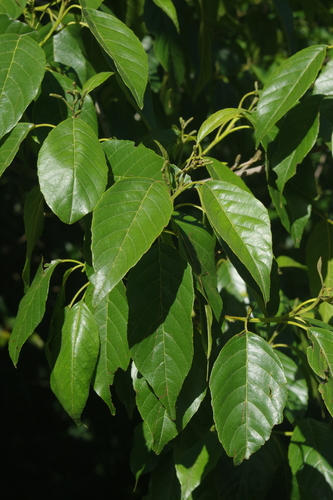
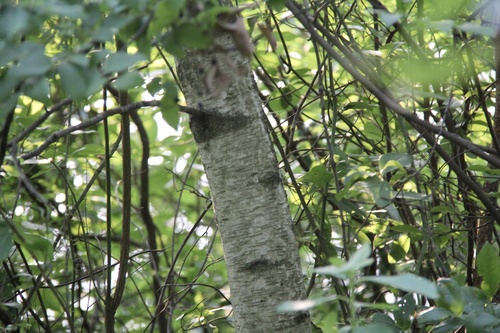
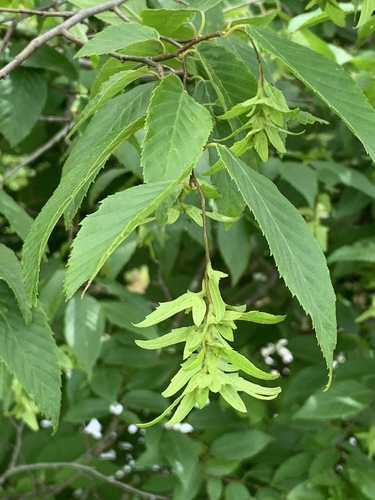
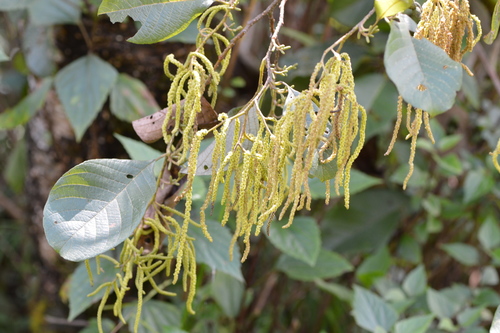
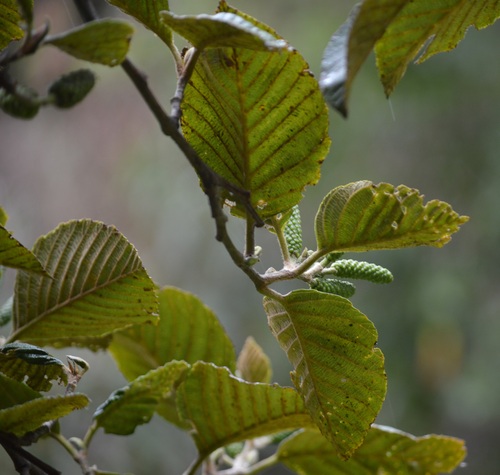
Alnus acuminata Kunth is a tree that grows up to 25 metres (80 ft) tall, with a straight trunk that can reach 150 centimetres (60 in) in thickness. Its bark is marked by numerous yellowish lenticels. The leaves are simple, oval-shaped, and have toothed margins. Its inflorescences are catkins, with separate male and female flowers borne on the same individual tree. Male flowers are pendulous and grow up to 12 cm (5 in) long, while smaller female flowers are green, erect, and resemble small cones. After wind pollination, female flowers develop into dehiscent, woody brown fruits that measure 2 cm (0.8 in) long. Each fruit contains 80 to 100 winged seeds, which are released when the fruit is ripe; dried fruit husks remain attached to the tree after seed release. This species is divided into three subspecies with distinct ranges: Alnus acuminata subsp. acuminata is found from Colombia and Venezuela south to northern Argentina; Alnus acuminata subsp. arguta (Schltdl.) Furlow occurs from northwestern Mexico south to Panama; and Alnus acuminata subsp. glabrata (Fernald) Furlow is native to central and southern Mexico. Alnus acuminata grows at altitudes between 1,500 and 3,200 metres (4,900 and 10,500 ft) in mountain ranges of tropical Central and South America, ranging from Mexico to northern Argentina. It grows most commonly in areas that receive 1000–3000 mm of annual rainfall, typically on slopes and in valleys. It can tolerate poor soils and acidic conditions, but prefers silt or sandy silt soils. It is a fast-growing pioneer species with nitrogen-fixing root nodules, so it is used for watershed protection and soil improvement. Alnus acuminata can grow well in disturbed or ecologically challenging environments. Its ability to adapt to infertile soils comes from its capacity to form both ectomycorrhizal and actinorhizal relationships. Because of its rapid growth, this species improves soil fertility by increasing soil organic matter content, nitrogen levels, and cation-exchange capacity. Due to its many benefits, Alnus acuminata has become popular for use in agroforestry. A study conducted in northwest Rwanda found that farmers who maintained an average of 130–161 Alnus trees per hectare gained benefits including carbon sequestration, reduced soil erosion, and increased soil fertility. The tree also provides local communities with resources for daily use, including firewood, lumber, and stakes for climbing bean cultivation. In traditional Central and South American medicine, Alnus acuminata has been used to treat acute inflammation. Researchers have carried out phenolic analyses to test the effectiveness of this anti-inflammatory claim and confirm whether the plant material is safe and non-toxic for consumption. The stem bark of Alnus acuminata has been found to contain triterpenoids and diarylheptanoids, which support its anti-inflammatory activity and confirm it is safe for ingestion.